The US House of Representatives on Wednesday rejected a proposed constitutional amendment that would permanently limit the Supreme Court to nine justices after the measure failed to secure the two-thirds majority required for passage.
The resolution, introduced by Republican Rep. Andy Biggs of Arizona, was defeated 212-206. Rep. Don Davis of North Carolina was the only Democrat to vote in favour of the proposal, while independent Rep. Kevin Kiley of California, who caucuses with Republicans, voted against it.
The proposed amendment sought to add the following language to the US Constitution: “The Supreme Court of the United States shall be composed of nine justices consisting of one chief justice and eight associate justices.”
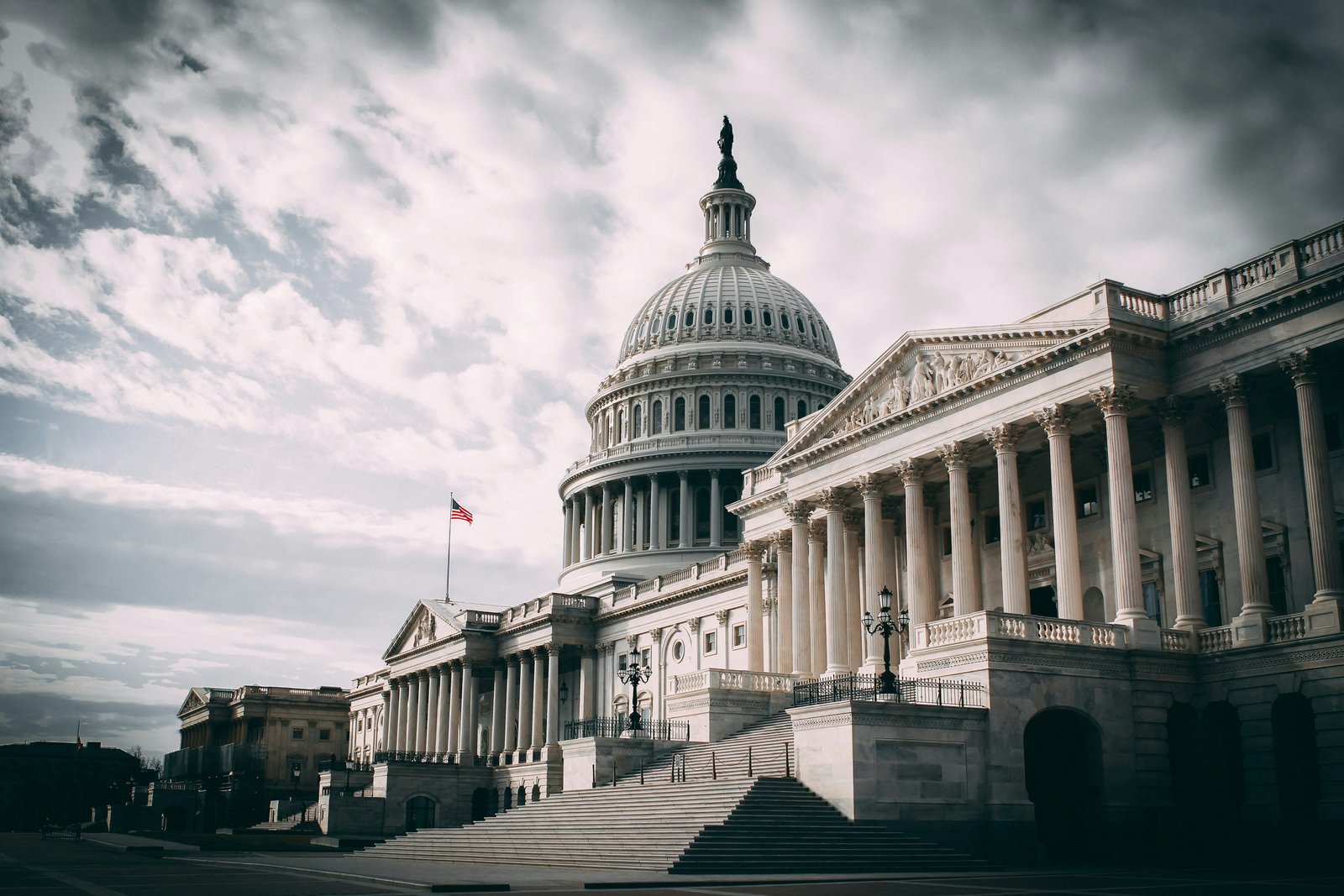
The office of House Minority Whip Katherine Clark, a Democrat from Massachusetts, had urged lawmakers to vote against the measure, arguing that it would remove an authority currently reserved for Congress.
“This proposed constitutional amendment would permanently fix the number of Supreme Court justices at nine, stripping Congress of yet another constitutional authority that is meant to be controlled by the American people’s representatives,” Clark’s office wrote to lawmakers Wednesday ahead of the vote.
The Constitution does not specify how many justices should sit on the Supreme Court, instead leaving Congress with the power to determine the court’s size.
The Judiciary Act of 1789 initially established a six-member Supreme Court. Its size was changed several times during the following century, both increasing and decreasing, and eventually reached 10 seats. Congress settled on nine justices in 1869, a number that has remained unchanged since then.
Wednesday’s vote does not necessarily represent the full extent of Democratic support for expanding the Supreme Court, as many members of the party have not backed such a move. However, the proposal has gained wider acceptance among Democrats in recent years.
The push has been fuelled by decisions from the court’s 6-3 conservative majority, including the overturning of Roe v. Wade, rulings that weakened the Voting Rights Act and the decision granting former President Donald Trump immunity for actions considered official acts.
Josh Orton, president of progressive judicial organisation Demand Justice, said support for expanding the court had moved beyond the political fringe.
“What was once a fairly dramatic and fringe idea has now become mainstream because of how fed up the country has become with the [Chief Justice John] Roberts majority,” Orton said.
“People understand this is now an emergency,” he added. “They see the Roberts majority as more corrupt, more friendly to corporate power and to the Trump administration and more antidemocratic.”
The Supreme Court resolution was one of several messaging votes organised by House Republican leaders ahead of the 2026 midterm elections. Another measure focused on denouncing socialism.
Mike Marinella, a spokesman for the House Republicans’ campaign arm, accused Democrats of seeking to fundamentally change the country.
“Give House Democrats an ounce of power, and they’ll use every bit of it to fundamentally transform America into an unrecognizable socialist hellscape,” he said.
House Speaker Mike Johnson, a Republican from Louisiana, said Republicans would keep the Supreme Court at nine seats if they remained in control.
“Now you’ve heard the Democrat Socialists of America, the communist socialists and Democrat Party, who are taking the party over,” he told reporters Tuesday.
Democratic support for expanding the court has also come from senior figures within the party. Rep. Jim Clyburn of South Carolina, a former House majority whip, endorsed increasing the number of justices to 13 during an appearance on NBC News’ “Meet the Press” on Sunday.
“I think that we are in a position now that calls for some significant actions taken by the Congress, and we ought to expand,” Clyburn said. “Thirteen is a pretty good number. A baker’s dozen would be a good number to have on the court. And I would hope we would get people on the court who will follow the constitutional underpinnings of this great nation of ours.”
Former Vice President Kamala Harris, the Democratic presidential nominee in 2024, has also expressed support for reconsidering the size of the Supreme Court.
“We need to revisit the point of expanding the court to 13 justices,” Harris said this summer.
Orton said the issue would likely remain part of the political debate ahead of the 2028 presidential election.
“We intend to continue building the case for major Supreme Court reform through the 2028 election cycle,” he said, dismissing Democrats who oppose expansion because they fear Republicans could respond by adding more seats.
“You can be damn sure that if there had been a long-standing progressive majority on the court, Republicans would have already voted to expand it,” he said. “This has to happen in the first two years of the next Democratic administration.”
A proposed constitutional amendment must receive two-thirds support in both the House and Senate before the ratification process can begin