
The United Food and Commercial Workers (UFCW), a labour union representing more than 1.2 million workers, has urged US lawmakers to prohibit grocery retailers from using electronic price labels and personalised pricing systems.
The union made the appeal while celebrating the victories of candidates supported by labour organisations in this year’s US midterm elections.
It argued that restricting the technologies would help protect consumers from unfair pricing practices, address rising living costs and safeguard jobs in the retail sector.
UFCW President Milton Jones called on lawmakers to introduce legislation against the practices, particularly surveillance-based pricing.
“Lawmakers should ban surveillance pricing and electronic shelf labels in grocery stores, so that shoppers are safe from corporate price gouging,” Jones said in a statement.
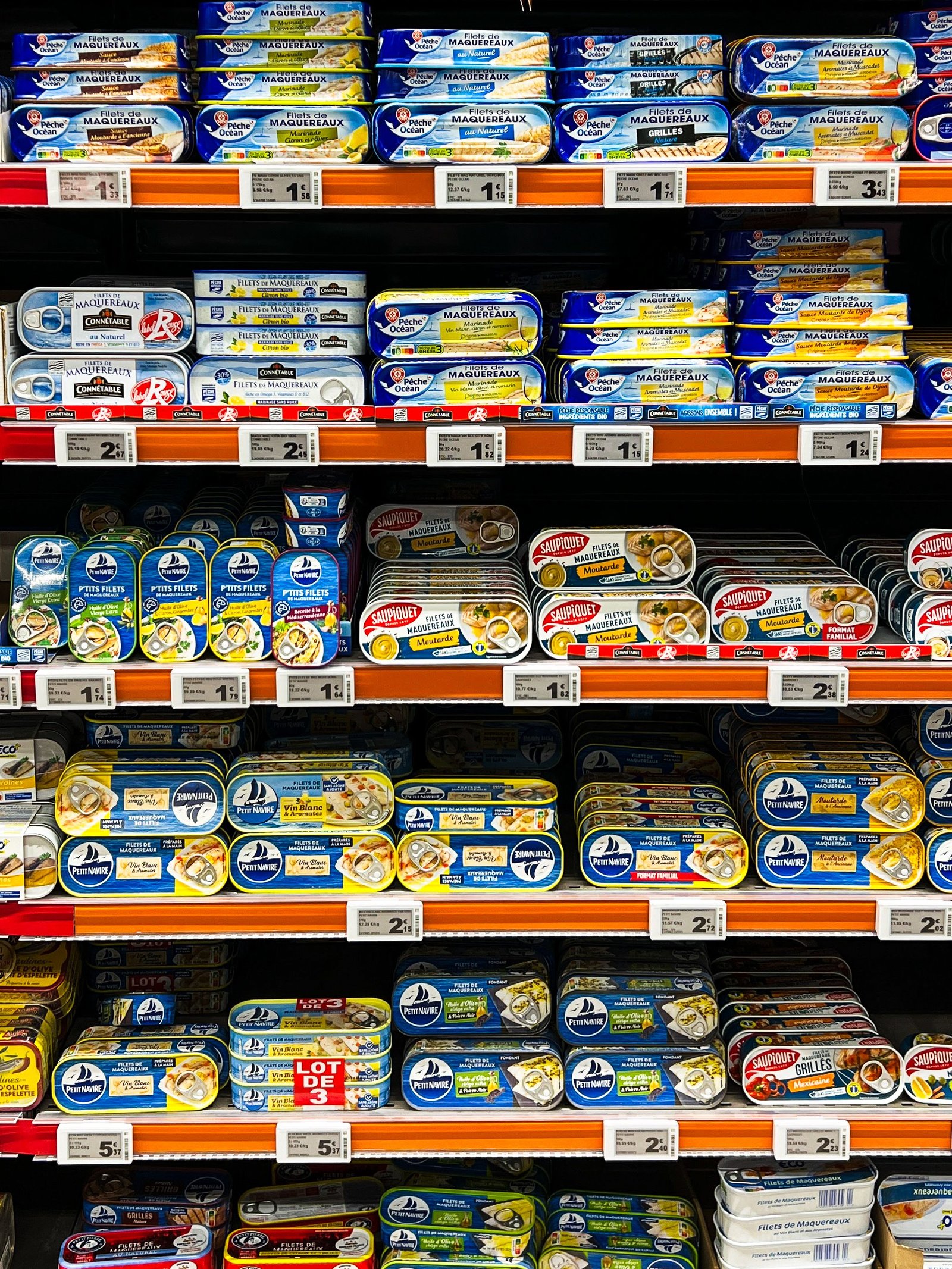
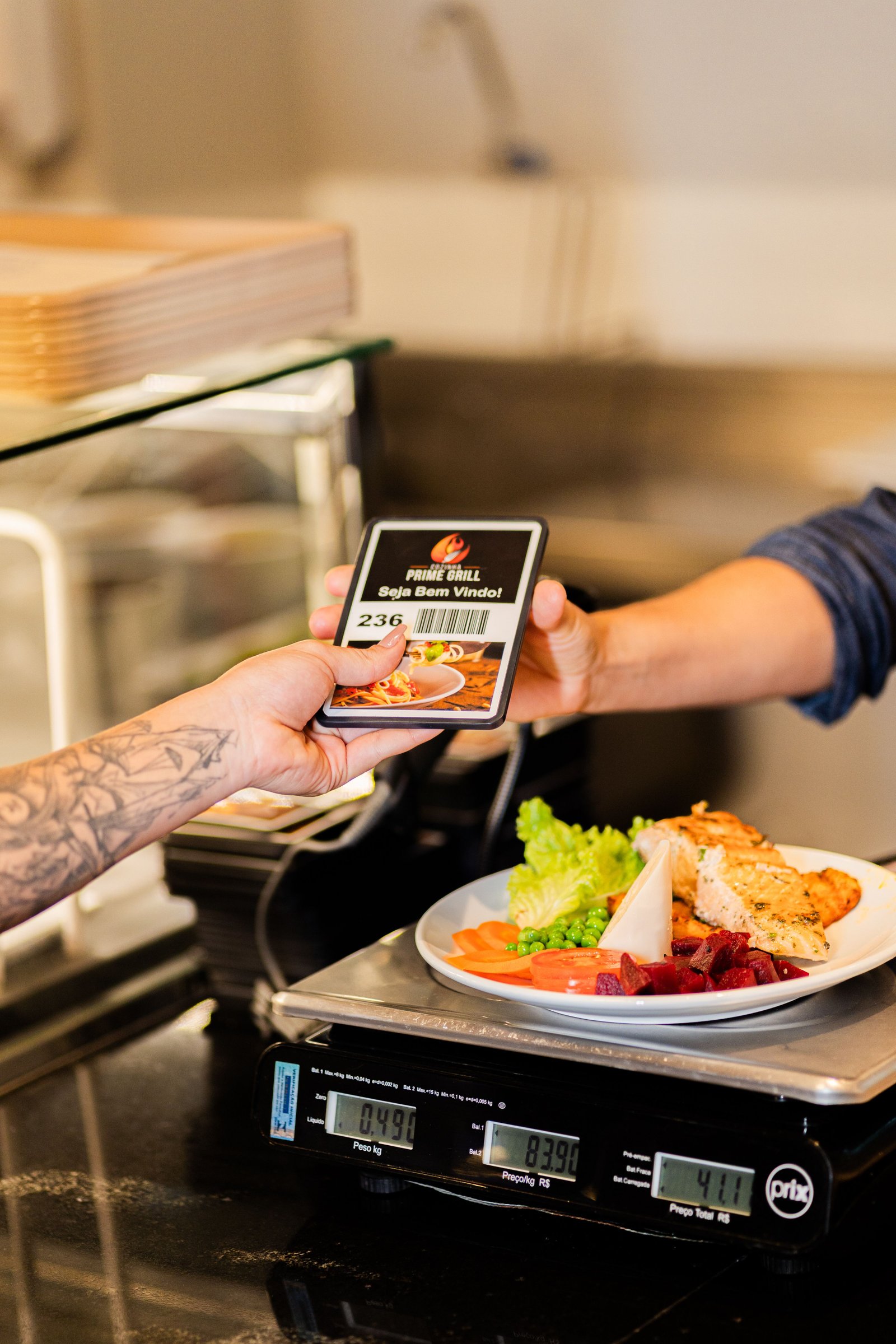
The demand comes amid growing concerns over the adoption of digital price tags by major retailers, including Walmart and Kroger, which have increasingly replaced traditional printed labels with electronic alternatives that can be updated remotely.
The issue has also attracted the attention of the Federal Trade Commission, which last week disclosed that it had directed some of the country’s largest grocery chains to submit detailed reports on their pricing methods.
FTC Chairman Andrew N. Ferguson said consumers should be informed about how retailers use personal information when determining the prices charged to individual shoppers.
“Consumers deserve to know whether companies use their web surfing habits or other personal data to estimate the highest price they can charge each consumer,” Ferguson said.
Some states have already introduced measures to regulate the practices. New Jersey banned surveillance pricing and imposed a one-year suspension on the use of electronic shelf labels earlier this year, while Maryland requires retailers to maintain prices for at least one business day.
However, retailers have defended the technology, arguing that electronic labels reduce the workload associated with manually changing prices and help minimise errors.
They have also maintained that their pricing policies remain fair and transparent.
Walmart and Target separately issued statements last month denying that they use customers’ personal information to impose higher prices. Both companies also said they had no plans to adopt such a practice in the future.
However, the retailers continue to offer personalised discounts through promotional campaigns and membership programmes.