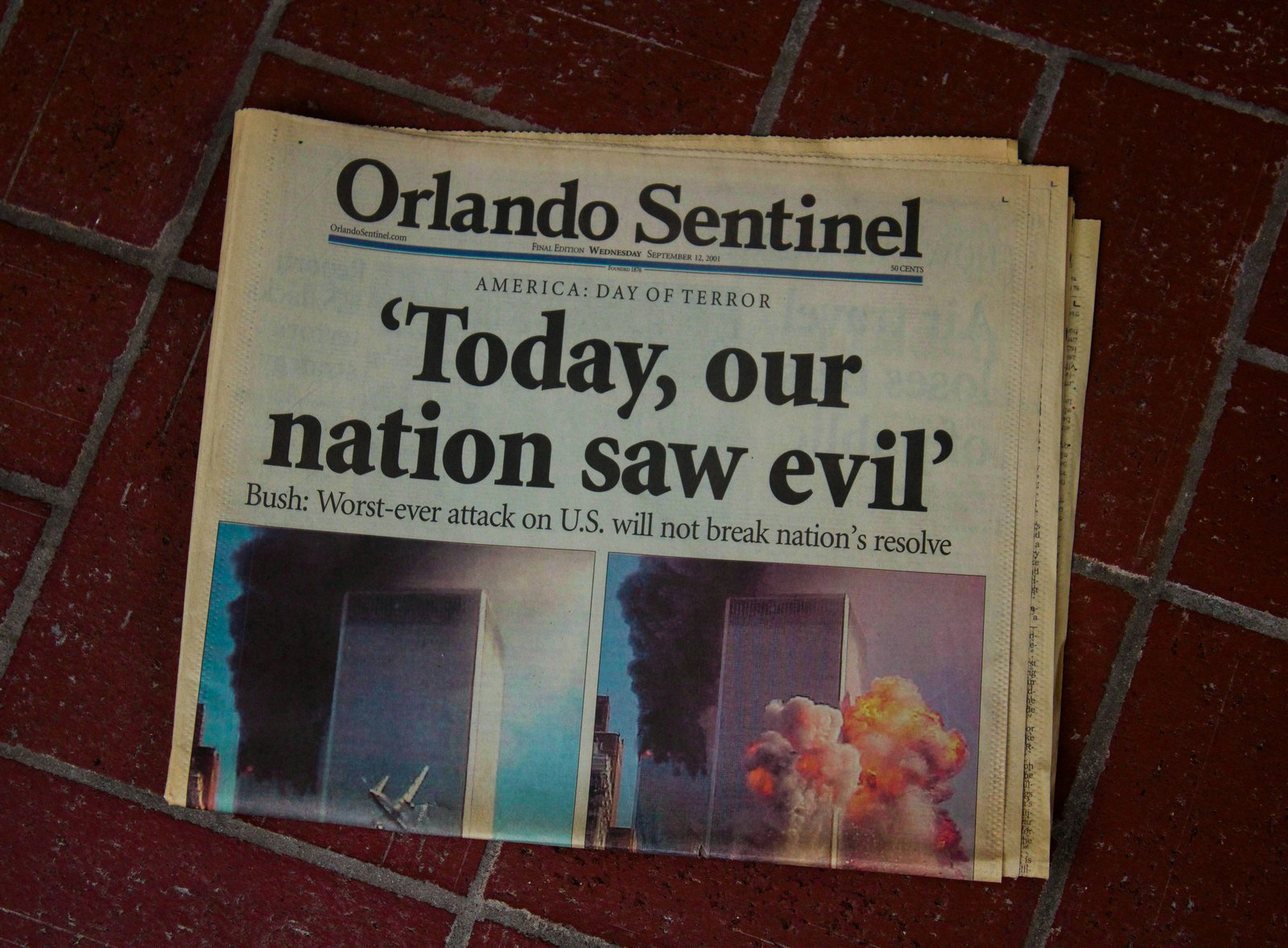

Two former leaders of the Department of Homeland Security say the mega-agency has drifted far away from why it was first created, and 25 years after 9/11, former DHS heads want overhaul plans put into action. Speaking out right around the 25th anniversary of the September 11 terrorist attacks, Michael Chertoff and Jeh Johnson argue that the department needs a massive revamp. The two former secretaries, who served under different political administrations, are calling on Congress to step in, strip away bureaucratic bloat, and even establish a brand-new public safety agency to handle modern threats that look very different from those faced in 2001.
Why 25 Years After 9/11 Former DHS Heads Want Overhaul of the Department
When DHS was built shortly after 9/11, the main goal was straightforward: keep America safe from foreign terrorists by forcing agencies like border control, immigration, and emergency response to talk to each other. But over two decades later, both Chertoff and Johnson say the department has become too huge, political, and pulled in too many different directions.

Instead of focusing on major counterterrorism threats, the department constantly gets bogged down in intense political fights over daily immigration policies and border operations. Today’s big danger zones are not just physical attacks; they include severe cyberattacks, domestic violence, foreign intelligence operations, and natural disasters caused by extreme weather. To fix this, the former secretaries suggest spinning off certain responsibilities so a dedicated public safety agency can handle everyday law enforcement and border duties, leaving DHS to focus on high-level national security threats.
Both former leaders stress that without major structural reforms, the agency will stay stuck in a reactive loop instead of staying ahead of emerging global dangers.
Rethinking How America Handles Public Safety
Creating a new department or splitting up an existing one is never easy in Washington, but the call from two seasoned leaders carries real weight. They point out that keeping the exact same structure for twenty-five years makes little sense when technology, world politics, and threat levels have shifted so dramatically.
Lawmakers from both major political parties are starting to listen, realizing that real national security requires flexible, focused agencies rather than one giant, slow-moving monster.
My Take
It is rare to see top officials from both political parties agree so strongly on a major issue, but the statement that 25 years after 9/11, former DHS heads want overhaul measures in place is a wake-up call we should not ignore.
When the federal government created DHS, it lumped 22 different agencies together under one umbrella. At the time, everybody wanted quick action to protect the country, so putting everything into one basket felt like a good idea. But over time, giant government departments tend to lose their edge. When an agency tries to do everything, from disaster relief and airport screening to fighting cybercrime and managing border security, it ends up doing none of those things as well as it could.
I completely agree with Chertoff and Johnson that we need to separate routine public safety tasks from high-stakes national defense. Immigration policy and daily border checks shouldn’t swallow up all the time and energy of the nation’s top counterterrorism leadership. Setting up a distinct public safety agency would let border officers focus on logistics and fair enforcement, while national security teams focus on complex threats like state-sponsored hacking and domestic intelligence risks.
If America keeps using a 2002 playbook to fight 2026 problems, it will leave America exposed. Real security comes from being agile, not from keeping a giant government agency around just because that is how things were done twenty-five years ago.
Bottom Line
The clear message that, 25 years after 9/11, former DHS heads want overhaul changes made shows that national security is an ongoing job. Fixing the agency’s internal structure and refocusing its mission is the best way to make sure the country stays protected against whatever new threats lie ahead.