

The Federal Ministry of Education has fully automated its certificate authentication process as Nigeria digitizes academic credential checks across the country. Announcing the rollout on September 8, Education Minister Dr. Maruf Tunji Alausa explained that Nigerian graduates, foreign institutions, and prospective employers can now complete the entire evaluation and verification workflow online. The transition replaces physical stamp validations, manual paper reviews, and in-person visits with an end-to-end digital platform, establishing a direct link between universities, government regulators, and external evaluators worldwide.
Why Nigeria Digitizes Academic Credential Checks for Higher Education
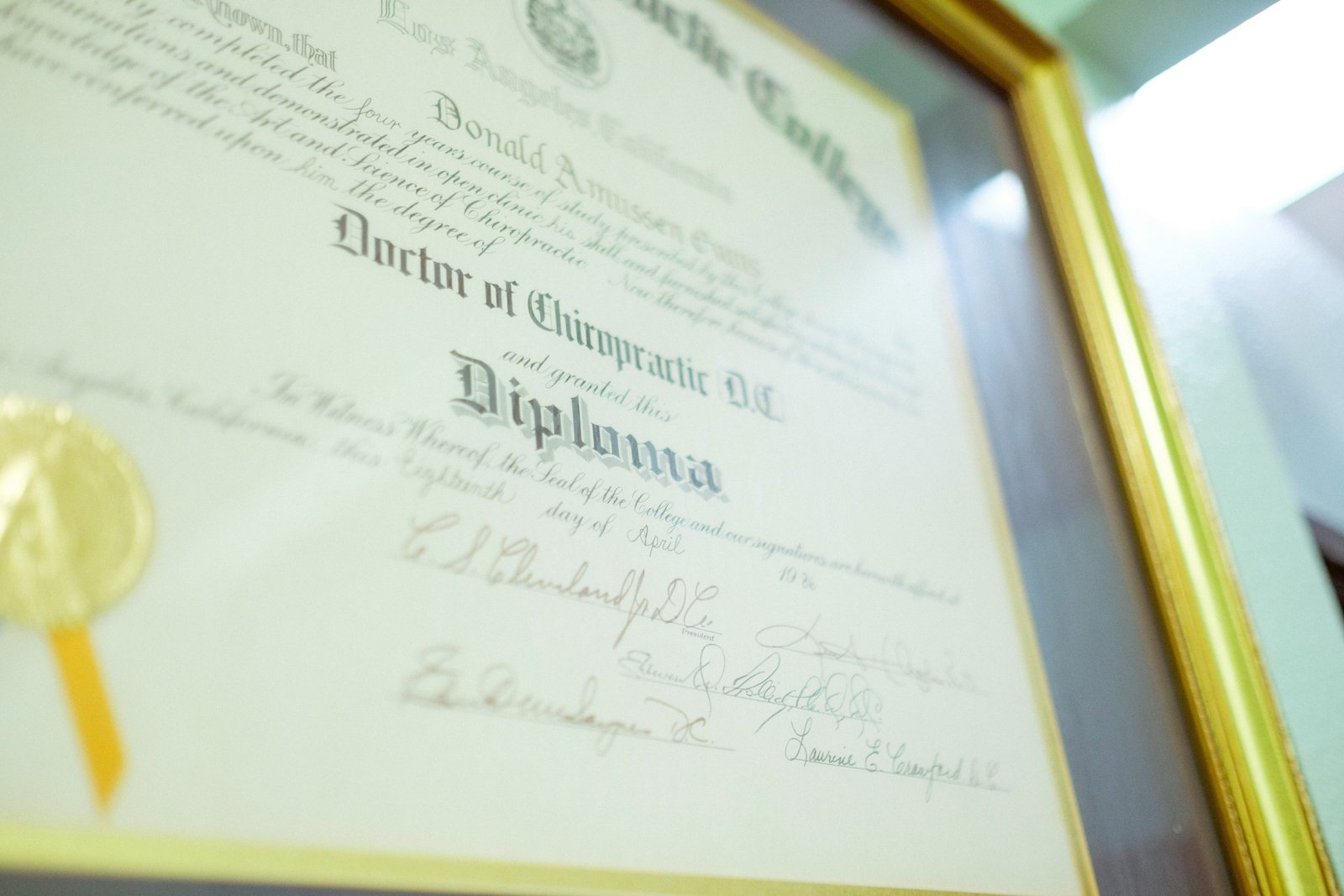
Before the new system was launched, graduates and job seekers faced high travel expenses and long administrative delays while trying to get their degrees physically stamped at government offices in Abuja. Beyond the inconvenience, the old paper-based system exposed the validation process to forgery risks and unverified degree claims. Anyone verifying a Nigerian academic certificate can log into the dedicated portal from anywhere in the world to submit and track requests. The platform creates a secure, automated link between issuing universities, national education regulators, and receiving entities.
Integration with Digital
The initiative aligns with Nigeria’s broader national digital identity rollout, positioning verified academic records as a core piece of its digital trust framework.
The Ministry of Education expects the automated setup to eliminate bureaucratic bottlenecks, improve transparency, and safeguard the global reputation of Nigerian tertiary qualifications.
A Growing Global Trend in Verifiable Credentials
Nigeria joins several other nations treating academic records as a starting point for national digital infrastructure. Similar projects include Kenya’s efforts to phase out paper certificates and the Democratic Republic of Congo’s deployment of a blockchain-backed diploma registry. As governments modernize public trust systems, digital credential platforms are quickly becoming the global standard for official verification.
My Take
The news that Nigeria digitizes academic credential checks represents an overdue upgrade to our national education administration. Anyone who has ever had to travel across states or queue up for days just to get an official stamp on a university transcript knows how frustrating the old process was.
For years, the manual verification setup wasted time and money while leaving room for corruption and fake certificates. Expecting graduates to travel long distances or pay middleman fees just to prove their degree is real created unnecessary hardship, especially for young people applying for international postgraduate programs or remote jobs abroad.
By replacing physical paper checks with a secure online portal, the Ministry of Education is addressing a major headache for Nigerian students. The direct connection between universities and employers cuts out fake degrees and protects the value of legitimate qualifications. The main focus now must be system uptime, database security, and user support so that technical glitches don’t create new delays.
Bottom Line
The milestone achieved as Nigeria digitizes academic credential checks provides a faster, safer, and more reliable way to verify educational qualifications. Embracing verifiable digital credentials modernizes school administration and helps Nigerian graduates compete fairly anywhere in the world.





The elimination of forgery risks through this new digital system is a significant step forward. It will be fascinating to observe how many past unverified degree claims come to light once the old paper-based system’s vulnerabilities are fully closed off. This transition could reveal some surprising truths about past qualifications.