A federal judge in Washington, D.C., has stopped the United States Postal Service from enforcing new regulations introduced under President Donald Trump’s executive order restricting mail-in voting ahead of the 2026 midterm elections.
US District Judge Carl J. Nichols issued the preliminary injunction late Sunday, placing the latest obstacle in the administration’s efforts to change how mail ballots are processed. The ruling comes as the Supreme Court considers a related dispute over the same regulations.
The highest court is currently reviewing an appeal by the Trump administration against an earlier decision by US District Judge Indira Talwani in Boston. Talwani had barred the Postal Service from enforcing the new mail-voting requirements before this year’s midterm elections.
Nichols said allowing the rules to take effect could result in eligible ballots being rejected or left uncounted.
“Plaintiffs have demonstrated that, absent an injunction, there is an increased risk that a significant number of otherwise appropriate absentee or mail-in ballots will ultimately not be counted in the upcoming elections,” Nichols wrote.
He added, “The public has a strong interest in ensuring that doesn’t happen.”
Nichols had previously declined to block the regulations in May, ruling that the legal challenge had been filed prematurely. The Supreme Court similarly lifted an earlier freeze imposed by Talwani late last month.
However, after the Trump administration formally issued the regulations on August 21, plaintiffs in both Boston and Washington, D.C., brought fresh legal challenges, prompting the latest rulings.
The judges were appointed by presidents from opposing political parties. Talwani was nominated to the federal bench by former President Barack Obama, while Nichols was nominated by Trump.
New Postal Rules Face Election Timing Concerns
The disputed regulations were introduced following an executive order signed by Trump earlier this year as part of his efforts to overhaul the handling of mail ballots.
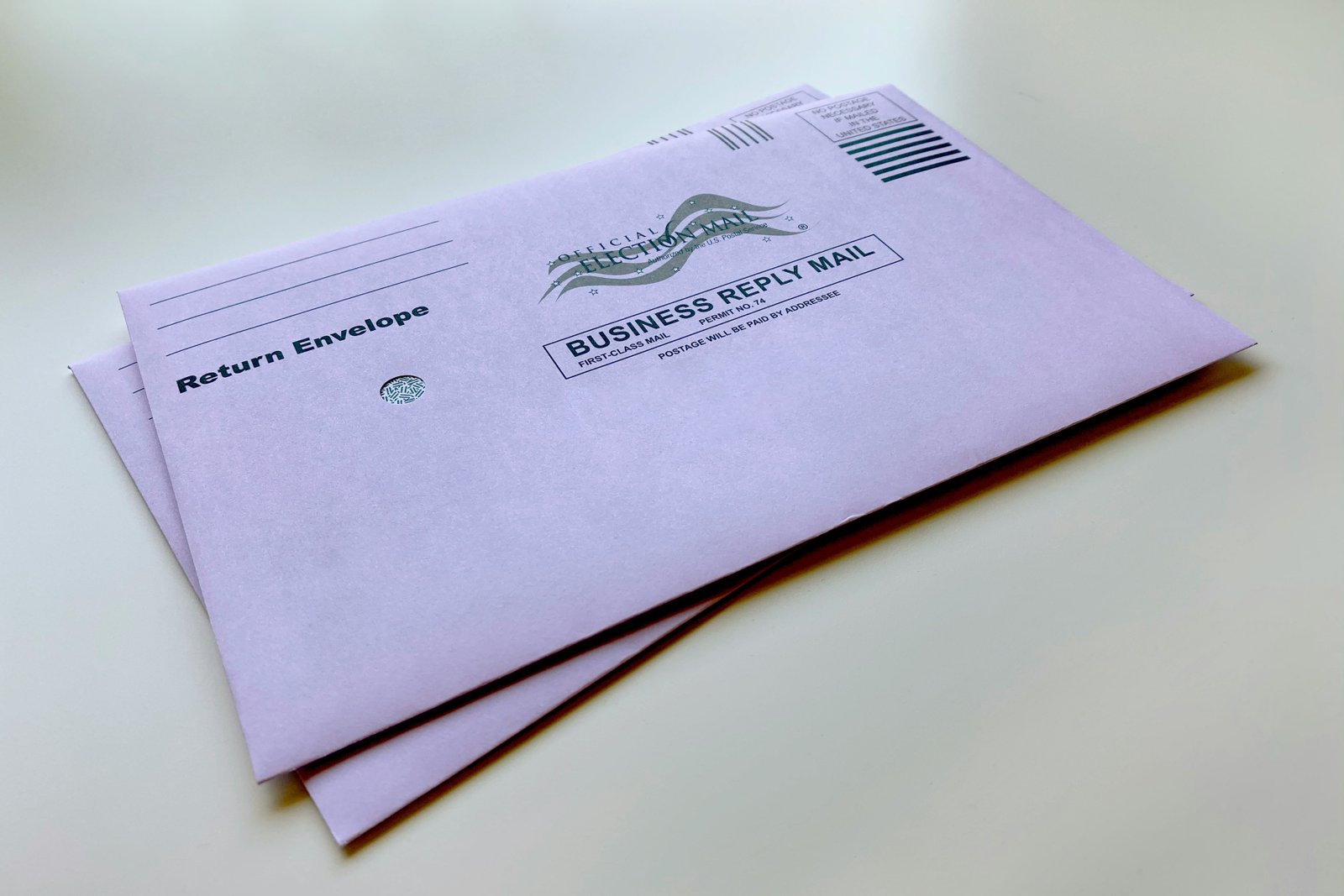
Under the new requirements, ballot envelopes would have to receive prior approval from the Postal Service. States would also be required to upload information identifying voters who are supposed to receive mail ballots to an online portal that is not yet operational.
Election officials have warned that implementing the changes shortly before a major election would be extremely difficult, particularly because preparations for the midterms are already well underway.
Mail ballots have already begun going out in Alabama, North Carolina and Wisconsin, while election authorities in other states are preparing to start distributing them this week.
Opponents of the regulations have also raised concerns about their potential impact on voters. A whistleblower report submitted to Congress warned that millions of Americans could potentially be disenfranchised if the rules were allowed to take effect during the midterm elections.
The union representing US Postal Service employees has also criticised Trump’s executive order, arguing that postal workers should not be responsible for determining whether individuals are eligible to vote.
The legal battle has therefore placed the Postal Service, election officials and the courts at the centre of a wider dispute over the administration’s attempt to change mail-voting procedures.
Trump has repeatedly criticised mail-in voting and made it a major focus of his election-related claims. He has falsely attributed his defeat by Democrat Joe Biden in the 2020 presidential election to widespread mail voting and has continued to claim that the system creates opportunities for fraud.
Despite his criticism of the voting method, Trump himself has used mail-in voting.