An internal Department of Homeland Security email raises new questions about the agency’s efforts to hunt for non-US citizens who may be on state voter rolls or have cast ballots in the past.
In the email — sent last year but newly acquired by NPR — DHS personnel shared a 78-page document listing counties and states that offer election materials and ballots in non-English languages. The list was attached alongside a Department of Justice criminal checklist outlining requirements for prosecution of voter-related charges.
The email was released as part of a tranche of materials after the Democratic National Committee filed suit over a public records request. Democrats fear the Trump administration’s efforts to root out noncitizen voters will entangle or intimidate eligible voters and dampen turnout in this year’s midterms.
The Document
Nothing in the document alludes to enforcement activity at the locations mentioned. The email is heavily redacted, so it is unclear why the list of non-English jurisdictions was attached. A court filing by DHS defending its redactions described the email as a “subordinate sharing initial thoughts and opinions with leadership.”
When asked by NPR about the document, DHS said in a statement that anyone who votes illegally shouldn’t be able to “use a purported lack of knowledge” of English to avoid prosecution.
The Concern
The document worries Dan Freeman, the DNC’s litigation director and a former DOJ Voting Section attorney, especially because DHS deemed the email responsive to the FOIA request about potential federal agents at the polls.
“The very simple connection that I logically drew is that they’re targeting [these jurisdictions],” said Freeman. “The logical inference that I think anyone would make is that they are thinking about prosecution of federal election crimes in jurisdictions where elections are conducted in a language other than English.”
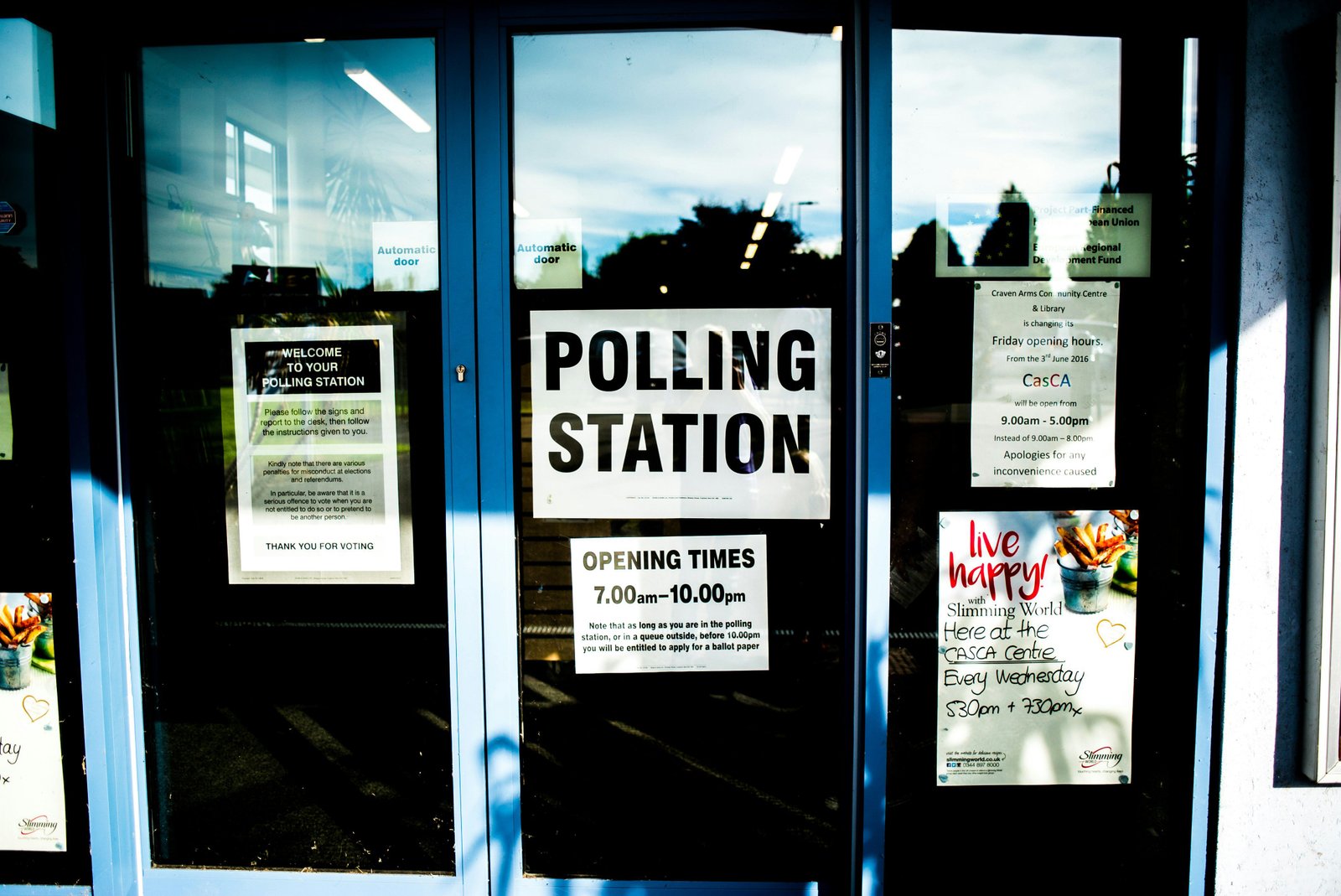
DHS said in its statement that it “is not planning operations targeting polling locations.”
The Broader Context
Fears about the Trump administration’s election plans have led civil rights coalitions to sue to stop DHS from deploying federal officers to the polls. Administration officials have at times suggested that could happen. Homeland Security Secretary Markwayne Mullin said ICE agents could serve warrants at polling places, and President Trump said he would do “anything necessary” to ensure “honest” elections.
In areas where more than 5% of voting-age citizens primarily speak a language other than English, the Voting Rights Act requires election officials to provide materials in that language. That information is public, and the document encompassed those jurisdictions as well as some state and local policies.
Roughly 40% of voters now think it is likely ICE agents will be present at voting locations in their area, according to new polling from the University of California San Diego. The survey also found voters of color were significantly more likely than white voters to say they feared voting could put them at risk of being questioned by immigration authorities despite being US citizens.
The Bottom Line
A newly revealed DHS email shows that personnel shared a list of jurisdictions offering non-English election materials alongside a DOJ prosecution checklist. Democrats fear this signals a plan to target multilingual communities in the administration’s hunt for noncitizen voters. DHS denies planning operations at polling locations. The email comes amid broader fears about federal interference in the midterms, with 40% of voters believing ICE agents could be present at polling places.
My opinion
An email linking a list of non-English voting jurisdictions to a prosecution checklist is not proof of a plot. It is a data point. But it is a troubling one. The Trump administration has spent months suggesting federal agents could appear at polling places. The DHS email suggests someone was thinking about where to look.
The right question is not whether DHS has a plan to target multilingual communities. The right question is why a list of jurisdictions offering ballots in other languages was attached to a criminal checklist in the first place. If the answer is innocent, DHS should say so clearly and release the unredacted email. If the answer is not innocent, the public deserves to know before November. Forty percent of voters already fear ICE agents at the polls. A redacted email will not ease those fears. Only transparency will.