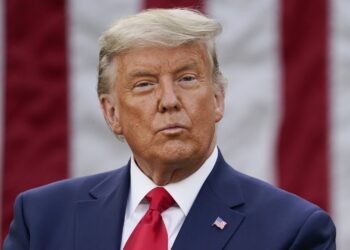
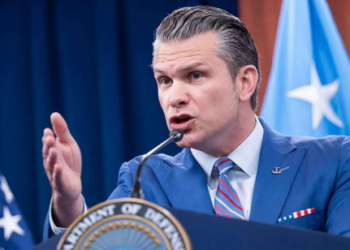
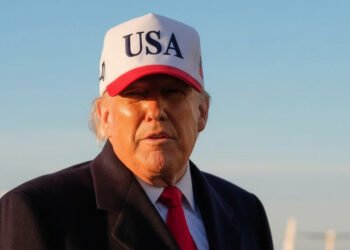
A surprising new turn in South Sudan as President Salva Kiir put his 36-year-old son, Major General Atem Salva Kiir, in direct command of the nation’s elite presidential guard. Known as the Tiger Division, this powerful unit secures the presidential palace, protects top officials, and handles key military operations in the capital city of Juba. With national elections scheduled for December 2026, placing a trusted family member over the state’s tightest security structure gives the long-serving leader firm control over power transitions.
How the South Sudan Succession Fits African Political Trends
The South Sudan succession battle storyline mirrors a growing pattern across the continent, where aging leaders elevate close family members into crucial defense seats. Army representatives insist that Major General Atem Salva Kiir earned his strategic double command over the Special Forces and the Tiger Division through merit and standard military promotion. Still, political observers point to similar shifts in neighboring countries like Uganda and Rwanda. In Uganda, President Yoweri Museveni raised his son, General Muhoozi Kainerugaba, to head the military, while President Paul Kagame’s sons serve in Rwanda’s security forces. Taking charge of elite units gives presidential children enormous leverage over internal security and eventual political leadership.
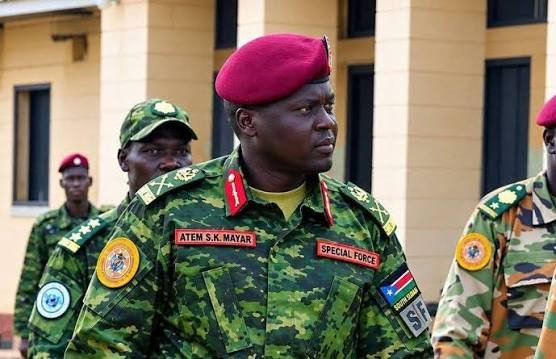
Key Details of the Tiger Division Command
Commander’s Background: Major General Atem Salva Kiir joined the security services in 2012 and previously led the Special Force inside the National Security Service.
Elite Unit Duties: The Tiger Division acts as South Sudan’s Republican Guard, shielding the presidency and key government infrastructure.
Electoral Timing: The military leadership reshuffle comes right as political groups prepare for the delayed national elections in late 2026.
Opinion
Handing control of a nation’s most lethal protective unit to a sitting president’s son creates a dangerous precedent for democratic governance. While military spokespeople argue that promotions follow standard channels, public trust erodes when family ties line up so neatly with strategic control. When a president relies on his immediate family to secure the executive office, it signals a deeper fear of political betrayal within the wider armed forces.
In fragile post-conflict nations, turning elite units into family-managed guards restricts open political rivalry. Instead of building independent military institutions that answer to the constitution, it concentrates power within a single household. When a leader’s son holds the keys to the presidential palace, peaceful political transitions become far harder to achieve, reducing national elections to a managed family handoff rather than a true democratic choice.