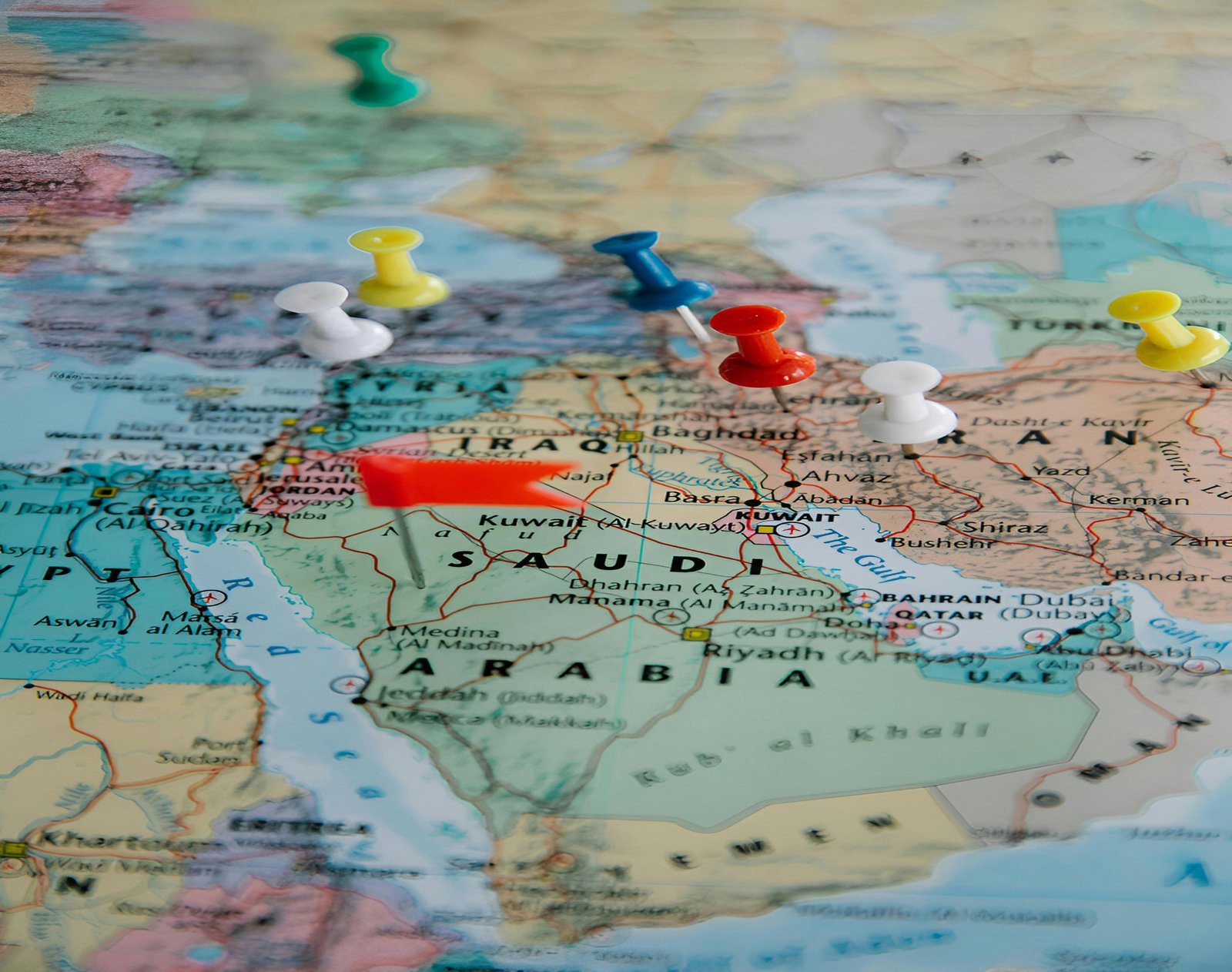

Iranian military leaders announced a change in their operational strategy on Sunday, declaring that any fresh American strikes would trigger a direct expansion of active conflict zones across the Middle East. Speaking on behalf of the Islamic Revolutionary Guard Corps, spokesman Hossein Mohebbi explained that Tehran has prepared its forces for a long-term fight and is ready to introduce undisclosed weapons alongside completely new targets. The warning comes as American officials evaluate next steps following seven months of open conflict, high-seas blockades around the Strait of Hormuz, and rising security alerts for American travelers throughout the region.
Key Details from the Latest Military Statements
The official statements released by Iranian military outlets outline specific tactical changes being prepared by Tehran’s command structure:
Revolutionary Guard representatives stated they have identified fresh strategic locations across the region that have not yet been targeted during earlier exchanges. Iranian defense units claim they will deploy previously unused military hardware and new technical capabilities if strikes resume.
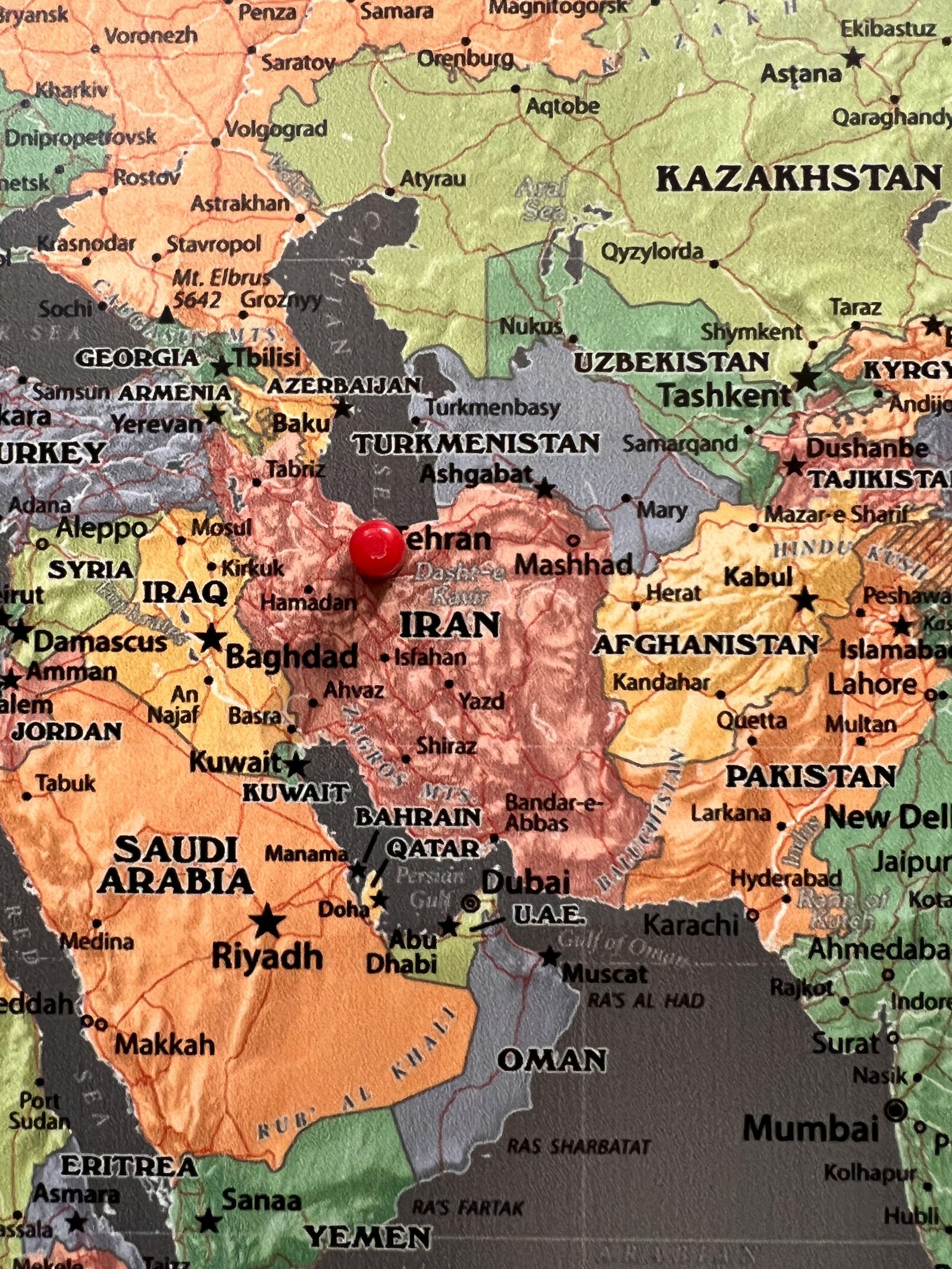
Commercial traffic through the vital oil shipping corridor remains blocked, with Iranian negotiators demanding a complete end to naval blockades and released frozen assets before reopening the passage. President Trump publicly confirmed he is considering multiple paths forward, ranging from renewed strike campaigns to potential high-level diplomatic talks at the UN General Assembly.
Opinion
It is deeply concerning to watch world leaders trade direct threats while ordinary citizens bear the overwhelming burden of the fallout. When military officials declare that Iran warns it will expand war geography, it isn’t just strategic language on a map; it means spreading risk to neighboring countries, disrupting global energy networks, and putting countless innocent lives in danger. Seven months of constant fighting have already shown that military actions rarely lead to quick or clean outcomes.
What makes this situation particularly frustrating is how easily public safety gets pushed aside for political posturing. The blocking of vital trade routes like the Strait of Hormuz directly drives up fuel costs, inflates grocery prices, and creates widespread financial instability for working families across the globe. Threatening to drag new regions into fighting only guarantees more economic damage and lost lives. True strength lies in recognizing when a course of action isn’t working and having the courage to pursue negotiated resolutions that protect civilian stability.
Regional Impacts as Iran Warns It Will Expand War Geography
As diplomats gather in New York for international summits, the risk of wider regional instability remains acute. Whether through naval trade disruptions or expanding regional hostilities, the statement that Iran will expand war geography shows the urgent need for direct diplomatic channels to prevent further fallout.