As global leaders prepare for high-level talks at the White House, analysts increasingly agree that the upcoming Trump-Xi meeting will change nothing on trade. Chinese President Xi Jinping is making his first official U.S. state visit in over a decade to meet with President Donald Trump. While both administrations are eager to display warmth and political stability, the underlying economic friction between the world’s two largest economies remains far too deep for a single summit to resolve.
Pageantry Over Substance at the White House
The diplomatic meeting in Washington is expected to feature ceremonial handshakes, red-carpet welcomes, and carefully scripted public statements. However, beneath the facade of hospitality, neither side is in a position to offer major structural concessions on long-standing economic disputes.
Both nations continue to use tariffs as leverage, protecting domestic industries while trying to avoid spiking inflation at home. Tensions over artificial intelligence, semiconductor exports, and tech supply chains remain high, with national security interests overriding commercial agreements. Broader security disagreements, including ongoing debates surrounding Taiwan and regional maritime access, continue to shadow trade negotiations.
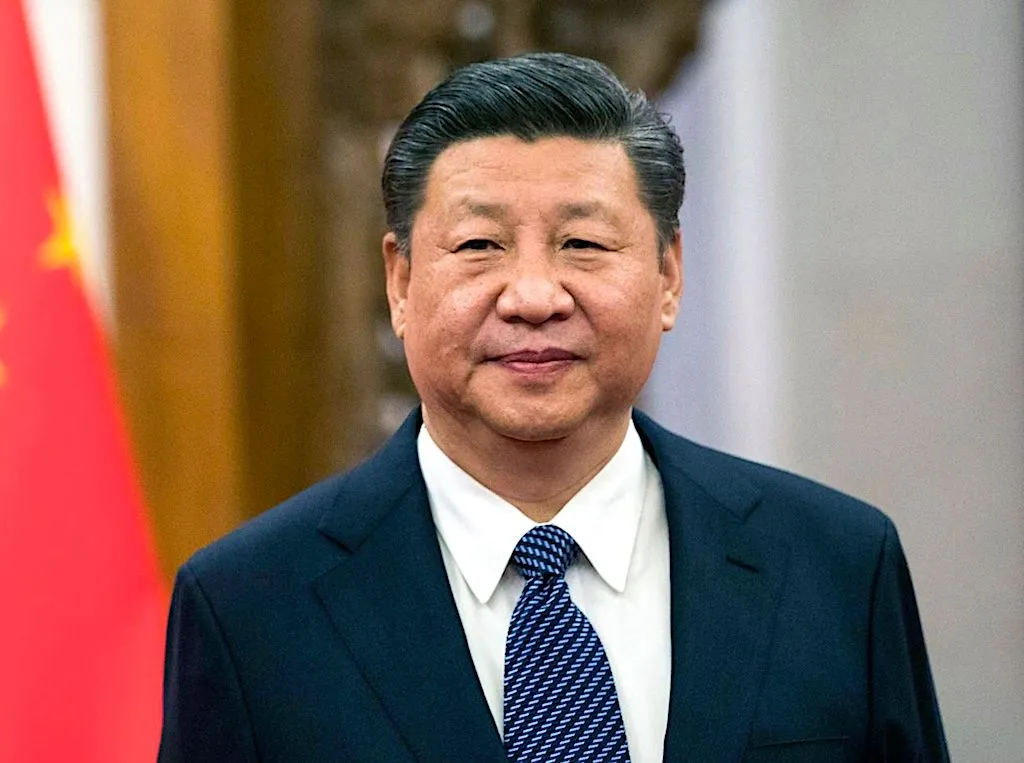
Both leaders are primarily seeking short-term predictability rather than comprehensive restructuring, making a grand trade deal highly unlikely.
Opinion
Watching international summits often leaves a sense of frustration because so much energy goes into planning rather than genuine solutions. It becomes clear why the Trump-Xi meeting will change nothing on trade when you look at the fundamental incentives driving both governments. Leaders on both sides prefer the political victory of looking tough or dignified on camera over doing the hard, behind-the-scenes work needed to build fair, lasting economic policies.
For ordinary citizens and small business owners, this creates real-world financial friction. Unpredictable trade barriers and shifting tariffs make it difficult for businesses to plan ahead, which ultimately pushes up consumer prices for everyday items. Warm smiles and diplomatic dinners in Washington might temporarily calm stock markets, but they do not solve supply chain headaches or lower living costs. Real economic progress requires structural compromise, something neither administration seems willing to deliver right now.
Long-Term Outlook for U.S.-China Commercial Ties
Because structural differences remain unaddressed, the reality that the Trump-Xi meeting will change nothing on trade shows a trend in global economics: managed competition has replaced real market integration. Business leaders should expect stable communication channels, but few breakthroughs in removing existing trade hurdles.