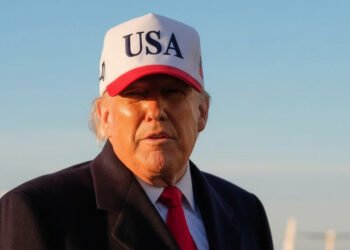
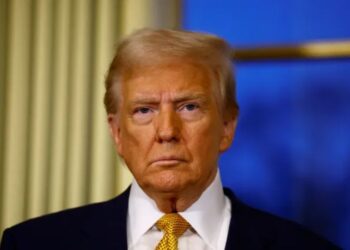
The US Department of Justice late Tuesday urged a federal judge not to block President Donald Trump’s total ban of three news outlets from the White House, saying, “Access to the White House is a privilege — not a right.”
The DOJ, in a new court filing, also said Trump was motivated by concerns about national security in his decision Friday to summarily ban MS NOW, CNN, and Politico from the White House.
The filing came ahead of Wednesday’s scheduled teleconference hearing in US District Court in Washington, DC, where Judge Timothy Kelly will hear arguments by a lawyer for the outlets, which have asked him to enjoin Trump from continuing the ban as part of a lawsuit filed against him Monday.
The DOJ’s Argument
“The President has determined that Plaintiffs have reported classified or sensitive information bearing on national security,” the DOJ said in the filing to Kelly, who is a Trump appointee.
“The President therefore has a compelling interest in limiting access to White House grounds to organizations that do not pose such a risk to national security.”
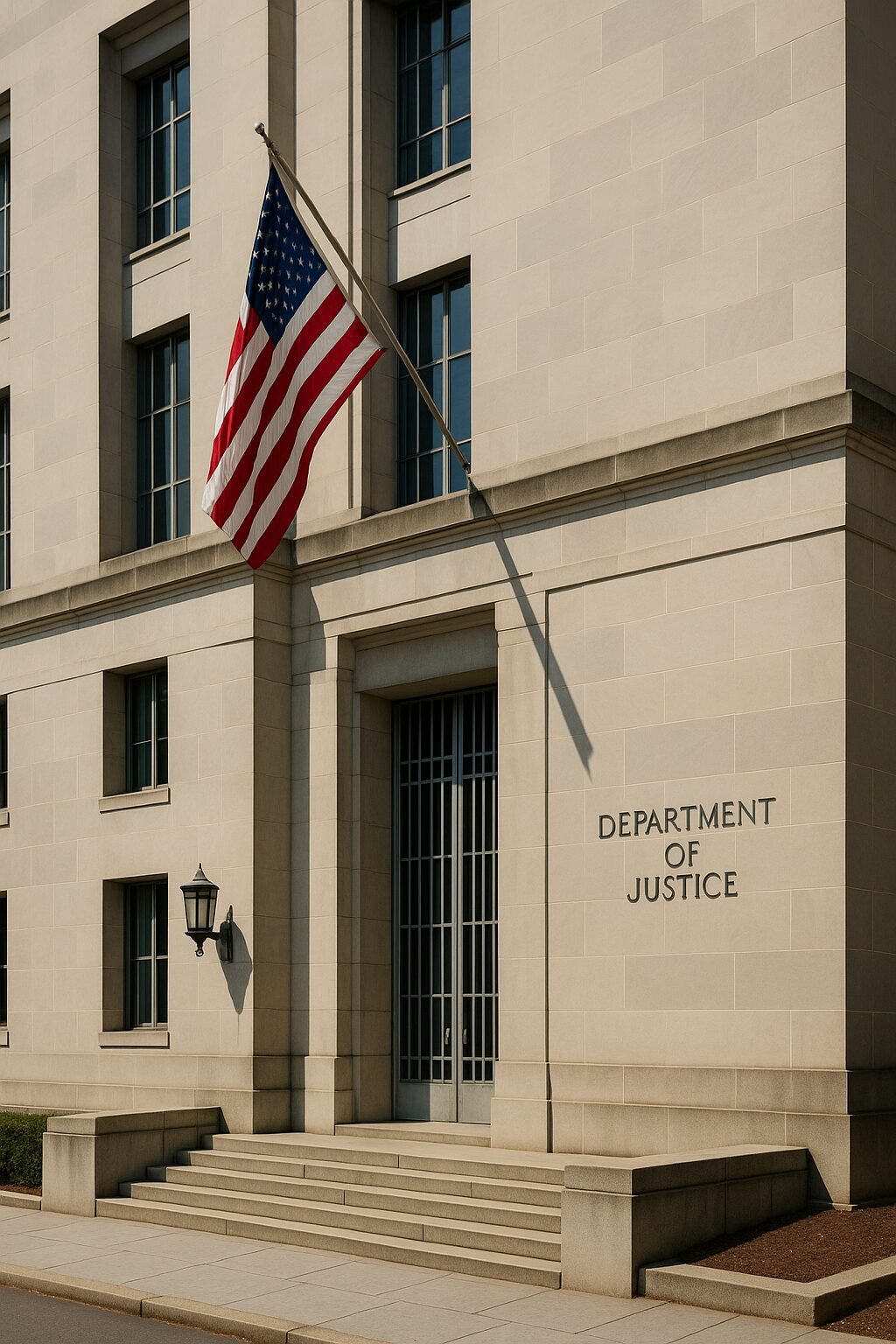
Targeting claims by the media outlets in their lawsuit, the DOJ said there is no First Amendment right of news reporters to the White House. The outlets say Trump’s ban was motivated by viewpoint discrimination — targeting them for their perceived “motivating ideology or the opinion or perspective.”
The Letters
The DOJ, in its filing, included new letters dated Tuesday, giving each outlet a chance to contest the initial decision and the factual basis for the ban. The letters reference stories published by the outlets that purportedly threatened national security.
“Plaintiffs may submit any response by 5:00 pm on Friday, September 25, 2026,” the filing says. “Otherwise, this initial decision will be final.”
The Broader Context
The ban has drawn widespread condemnation from press freedom advocates and prompted a rare display of solidarity from major news organizations. ABC, CBS, Fox News, NBC, and CNN suspended pooled coverage of Trump following the ban. Photographers from The New York Times, The Associated Press, and Reuters withheld images of Trump’s appearances.
The lawsuit filed by the three outlets accuses Trump of a “direct assault” on constitutional free speech rights. “The Constitution does not allow a president or any other government official to deprive the press of their First Amendment rights … based solely on his dislike of the content of their reporting,” the complaint says.
The Bottom Line
The DOJ is defending Trump’s ban of CNN, MS NOW, and Politico from the White House, arguing that access is a “privilege, not a right” and citing national security concerns. The outlets have sued, alleging viewpoint discrimination. A federal judge is hearing arguments Wednesday. Major networks have suspended pooled coverage in solidarity, and photographers from other outlets have withheld images of Trump.
My Opinion
“Access to the White House is a privilege — not a right.” That is the DOJ’s argument. It is also a confession.
The First Amendment does not guarantee reporters a desk in the briefing room. That is true. But the White House is not a private club. It is the people’s house, funded by taxpayers, and the press serves as the public’s eyes and ears inside it. When a president bans news organizations because he does not like their coverage, he is not protecting national security. He is punishing speech. And calling it a “privilege” does not change the constitutional problem.
The national security justification is particularly hard to swallow. If CNN, MS NOW, and Politico genuinely published classified information that endangered American lives, the response would be a leak investigation, not a press credential revocation. The administration has not identified a single specific story that caused harm. It has simply labeled the outlets a risk and demanded they prove their innocence by Friday or accept permanent exclusion.
That is not how a democracy handles a free press. That is how a government handles an enemy. And if the courts allow it, the precedent will outlast this president. The next administration, Republican or Democrat, will inherit the power to decide which journalists are allowed in and which are locked out. That should worry everyone who believes the press belongs to the public, not the president.