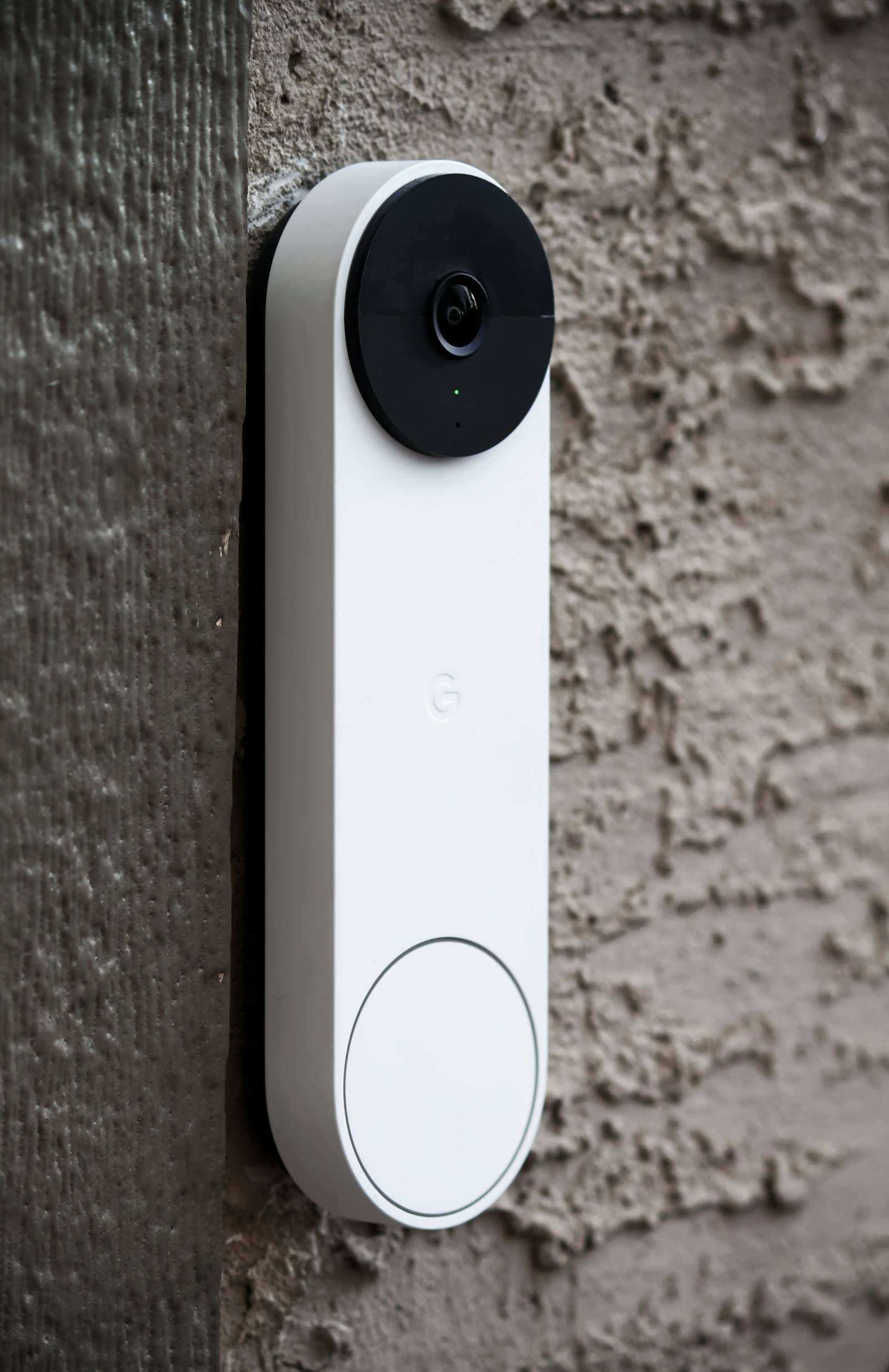

Authorities in Pensacola and Escambia County are encouraging residents and business owners with surveillance cameras to register their devices to help law enforcement investigate crimes.
Pensacola Police and the Escambia County Sheriff’s Office both operate camera registry programmes that allow people to voluntarily provide information about cameras installed on their properties.
Pensacola Police Officer Mike Wood said footage from privately owned cameras can help investigators establish when an incident occurred, identify the number of people involved and determine the direction a suspect vehicle may have taken.

“They come in handy, letting us know what time a crime happened, how many people are involved, which way a vehicle may have left the scene,” Wood said.
The registration system has been available for several years and remains voluntary. Police said registering a camera does not automatically give officers access to its footage, as permission from the owner is required before the video can be viewed.
Wood explained that the programme is primarily designed to help officers quickly determine whether useful footage may be available in a particular area.
“The police department does not have access to those cameras. All it is is information, so it’s just cutting down time,” Wood said. “We’re not going to go in the house and look at it unless you want us to, and we certainly don’t have any way to look through that video live from the police department.”
The camera registries have gained renewed attention following the removal of several Flock cameras from Florida roads.
At the county level, residents can either register the location of their cameras or connect eligible devices to the Sheriff’s Office Real Time Crime Center, which provides an option for live feeds.
Escambia County Sheriff Chip Simmons said the programme allows authorities to make use of the growing number of privately owned security devices, including Ring doorbell cameras and other surveillance systems.
“It’s a way to take advantage of the popularity of the Ring cameras and different cameras that are on that individuals have on their own personal property,” Simmons said.
According to the sheriff’s office, 1,272 cameras are currently integrated with its system, while another 1,439 are registered.
Authorities said the programmes have become more important following the ban on Flock cameras and automated licence plate readers on Florida roads and rights-of-way.
Simmons said law enforcement would now rely more heavily on cooperation from residents through the camera registry.
“Now that we do not have the license plate reader technology available to us, we obviously are going to rely on the registry, the program that allows people to help law enforcement and to help themselves,” he said.
Wood noted that privately owned security cameras were already an important investigative tool before Flock technology became widely used.
“They’ve been around a lot longer than Flock,” Wood said. “So we depended on them before we had Flock, and we will depend on them after Flock.”
Authorities added that both doorbell cameras and conventional surveillance cameras installed outside homes can be registered.