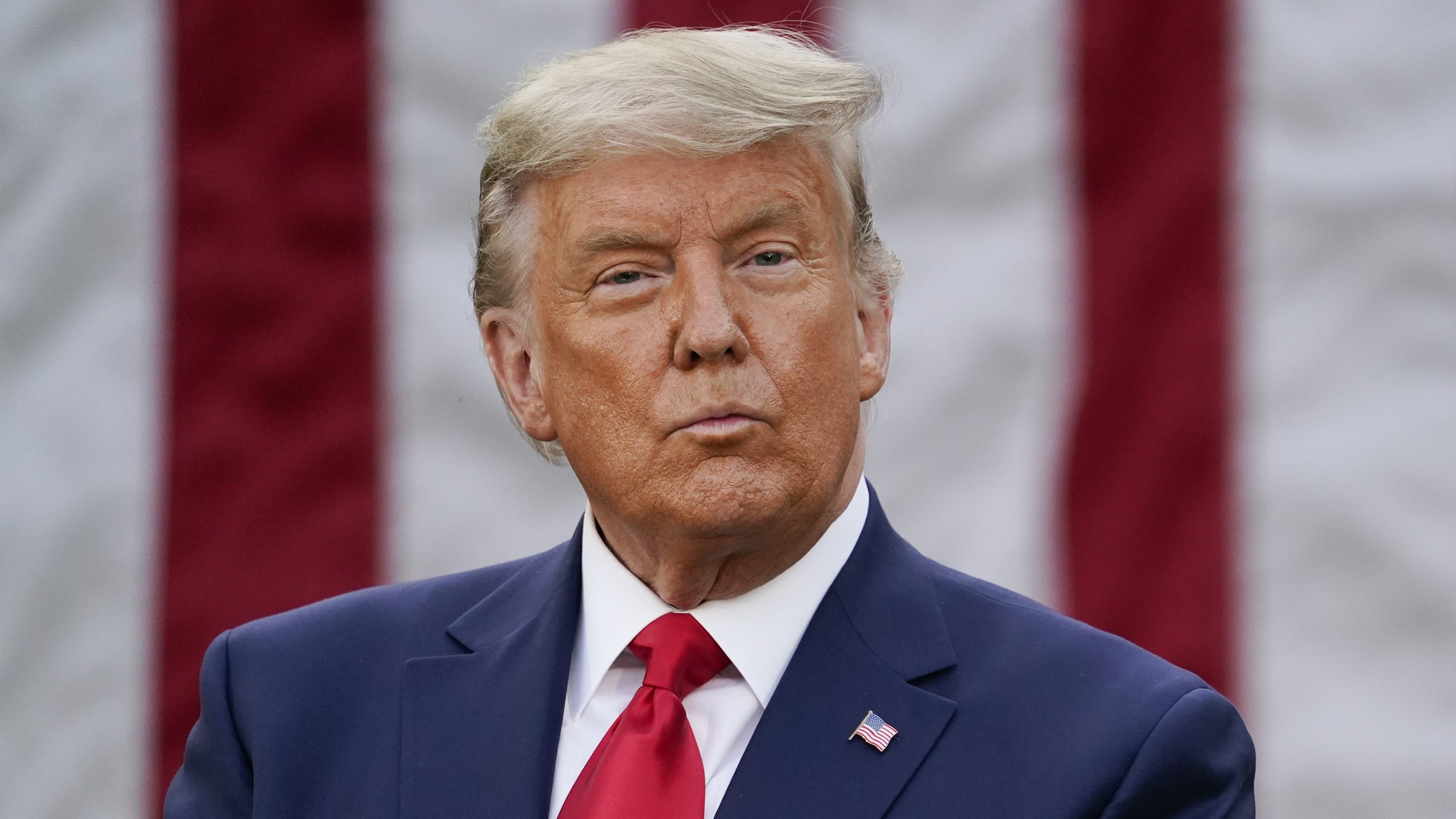

President Donald Trump has privately rejected Iran’s proposal for a seven-day ceasefire that would reopen the Strait of Hormuz and halt fighting across the Middle East, telling aides he expects to resume bombing after the November midterm elections.
The proposal, conveyed through mediators including Qatar and Pakistan, offered a narrow path to de-escalation: Iran would reopen the strait and enter a ceasefire within seven days if the US eased its naval blockade and military pressure. Iran was awaiting a formal US response when reports of Trump’s rejection emerged.
The Terms
Iran’s offer followed months of stalled diplomacy. The proposal was narrowly focused: reopen the strait, halt fighting, and create space for broader negotiations. It did not address the nuclear program or sanctions relief in its initial phase.
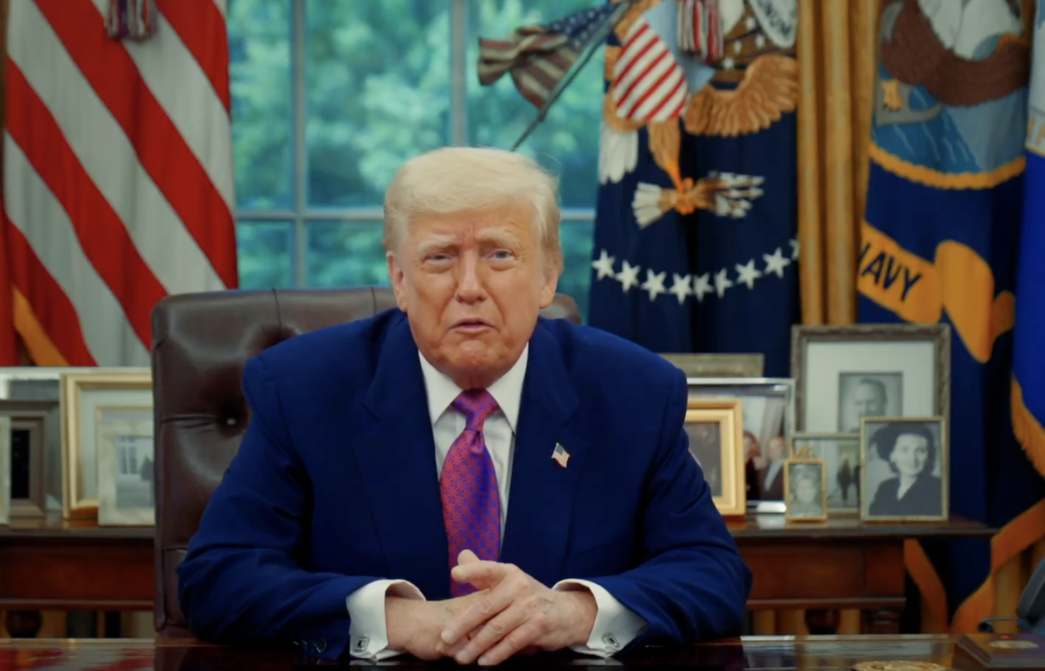
The Wall Street Journal reported that Trump was privately skeptical Iran would ever meet his core demands and told his staff he saw renewed bombing as likely after the midterms. The White House has not publicly confirmed the rejection.
The Context
The war began on February 28 when the US and Israel launched strikes on Iran. A ceasefire took effect in April but has been repeatedly violated by both sides. Iran closed the Strait of Hormuz in response to the attacks, choking off a fifth of the world’s oil and gas supplies and triggering a global energy crisis.
Previous negotiations have collapsed over the same core issues. In May, Trump rejected Iran’s response to a 14-point US plan, calling it “totally unacceptable” because it did not commit to ending nuclear enrichment. Iran, in turn, has demanded an end to the naval blockade, the release of frozen assets, and guarantees against future attacks.
The Bottom Line
Trump has reportedly rejected Iran’s seven-day ceasefire proposal to reopen the Strait of Hormuz. He told aides he expects to resume bombing after the November midterms. Iran was awaiting a formal response. The war, now in its seventh month, has caused the biggest energy supply disruption in history. Previous negotiations have failed over nuclear enrichment, sanctions, and control of the strait.
My Opinion
Trump rejected a ceasefire that would have reopened the Strait of Hormuz and paused the fighting. The reason, according to reports, is that he wants to keep bombing after the midterms.
The war has already cost the global economy hundreds of billions of dollars. Oil prices spiked. Inflation climbed. Working families paid more for gas and groceries. Every day the strait stays closed, the damage grows. Iran offered to open it in seven days. Trump said no. The only explanation that makes sense is that he does not want the war to end before voters go to the polls. He wants to campaign on strength, not on a deal he might have to defend.