
The story of Nigerian music’s rise from a local cultural expression to a global force cannot be told without acknowledging the musicians and sounds that laid the foundation for generations that followed.
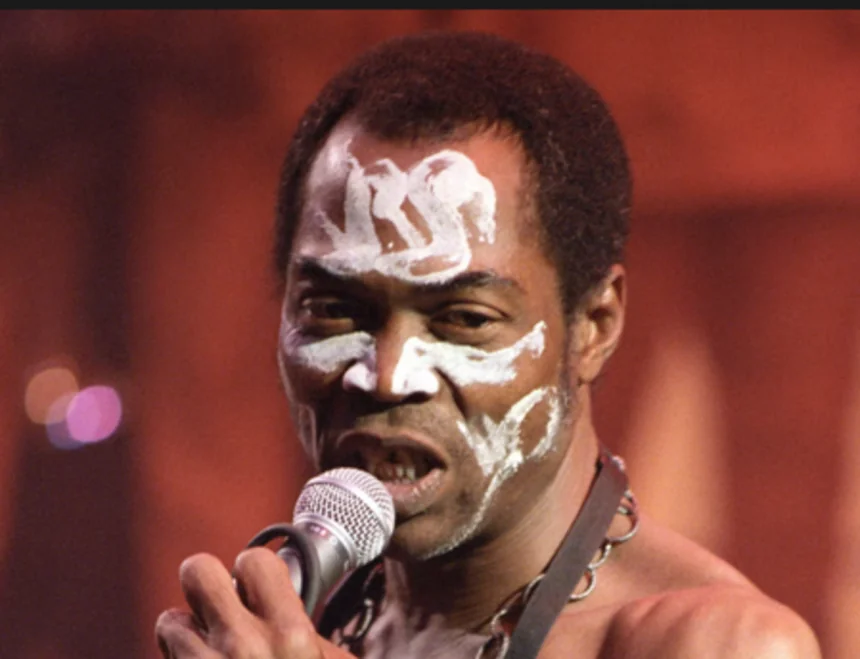
Among the most influential figures in that history is the late Afrobeat pioneer, Fela Anikulapo-Kuti, whose music, political messages and unconventional style helped establish a distinctive Nigerian sound that would later influence several generations of artists.
Although the modern Afrobeats movement is different from Fela’s original Afrobeat, the two are connected through Nigeria’s long history of musical experimentation, cultural identity and the blending of local sounds with influences from around the world.
The Roots Of A Nigerian Sound
Before Afrobeats became a global phenomenon, Nigerian musicians were already combining different musical traditions to create sounds that reflected the country’s diverse culture.
Highlife, palm-wine music, juju, fuji, traditional Yoruba rhythms and other indigenous styles played important roles in the development of Nigerian popular music.
Western genres such as jazz, soul, funk and rhythm and blues also found their way into the country and were absorbed by Nigerian musicians.

Fela Kuti became one of the most important artists to take this experimentation in a distinctive direction.
His Afrobeat sound combined elements of jazz, funk and traditional African rhythms with politically charged lyrics and extended instrumental arrangements.
Rather than simply making music for entertainment, Fela used his songs as a platform to comment on corruption, inequality, oppression and the political realities of his time.
His approach helped demonstrate that Nigerian music could be both deeply rooted in local culture and capable of communicating powerful messages to audiences beyond the country.
Fela’s Influence Goes Beyond Music
Fela’s contribution was not limited to the sound he created.
His personality, performances, fashion, stage presence and fearless social commentary became part of his identity as an artist.
He built a reputation for challenging authority and using his music to confront issues affecting ordinary Nigerians.
That combination of music and social commentary gave his work a lasting cultural significance.
Decades after his death, his influence continues to appear in conversations about Nigerian music and the artists who came after him.
For some contemporary musicians, Fela represents more than an influential predecessor. He represents an important part of the foundation on which Nigerian popular music was built.
Afrobeats itself developed much later and has taken a different musical and commercial direction. Contemporary artists often draw from pop, R&B, dancehall, hip-hop, highlife and other sounds, producing music designed for a broad international audience.
However, the ability of Nigerian artists to merge different influences while retaining elements of their cultural identity is part of the broader musical tradition that preceded the current movement.
Timaya’s View Of Fela
Nigerian singer Timaya recently highlighted Fela’s importance while speaking on an episode of the Afrobeats Intelligence podcast.
The singer argued that Nigerian music would not have achieved its present level of recognition without the contributions of the Afrobeat pioneer.
Timaya described Fela as “Baba” and said the musician inspired him as well as other Nigerian artists.
He also pointed to what he described as Fela’s influence outside Nigeria, citing his popularity in Cameroon as evidence of the wider reach of his music.
“Without Fela, nobody would have known us and we wouldn’t be here singing music,” Timaya said.
He added that he could never disrespect Fela or his family because of the musician’s contribution to Nigerian music.
Timaya’s comments reflect one perspective in the continuing conversation about how much credit should be given to earlier generations for the success of Nigeria’s present-day music industry.
Tekno Offers A Different Perspective
While Fela’s influence is widely recognised, not every Nigerian artist identifies him as their personal musical reference point.
Afrobeats singer Tekno recently offered a different perspective, saying that Fela is not his “king” of Nigerian music.
In an interview with Yanga FM Lagos, Tekno maintained that he considers legendary highlife musician Oliver De Coque his king of music.
He explained that his personal background shaped his musical exposure, noting that he is Igbo, grew up in Kaduna and did not grow up listening to Fela’s music.
“Fela is not and will never be my king [of music]. Oliver De Coque is the king for me,” Tekno stated.
His position highlights an important point about Nigeria’s musical history: there is no single sound or musician that represents the entire country.
Different regions, ethnic groups and generations have produced artists whose music has influenced audiences in different ways.
From Afrobeat To Afrobeats
The distinction between Afrobeat and Afrobeats is also important when discussing Nigeria’s musical evolution.
Fela’s Afrobeat was built around live instrumentation, jazz and funk influences, African rhythms and socially conscious lyrics.
Modern Afrobeats, meanwhile, is a broad contemporary genre that has evolved through multiple influences and is associated with artists who have taken Nigerian music to international audiences.
Artists such as Burna Boy, Wizkid, Davido, Tiwa Savage, Tems and many others have helped expand the global reach of contemporary African pop music, while drawing from traditions that existed long before the current wave.
The growth of Afrobeats therefore represents not only a new chapter but also part of a much longer musical journey.
Fela’s contribution remains one important part of that history, while artists such as Oliver De Coque and numerous other Nigerian musicians represent different branches of the country’s musical heritage.
The debate over who should be regarded as the greatest or most influential Nigerian musician will continue to depend largely on personal background, musical taste and generation.
What remains clear is that Nigeria’s current global music presence did not emerge overnight. It developed through decades of experimentation, cultural exchange and the work of musicians who created sounds that subsequent generations could build upon.
Fela’s Afrobeat was one of those major foundations, while today’s Afrobeats artists continue to expand the possibilities of Nigerian music around the world.