The European Union has cautioned US President Donald Trump against imposing a ban on diesel exports, warning that restricting supplies to the global market could have negative consequences for both Europe and the United States.
The European Commission said it was concerned by reports that Trump was considering a temporary suspension of US diesel exports as part of efforts to ease rising fuel prices for American consumers.
Trump is reportedly weighing a 90-day export ban ahead of the US midterm elections after diesel prices reached an average record of $6.52 (£4.93) per gallon.
“I’ve said let’s not send out the diesel. We make a lot of diesel … I’ve called for it. I’ve called for it within my people,” Trump said.
Olof Gill, a spokesperson for the European Commission, said on Thursday that any interruption to diesel exports could affect both sides of the Atlantic.
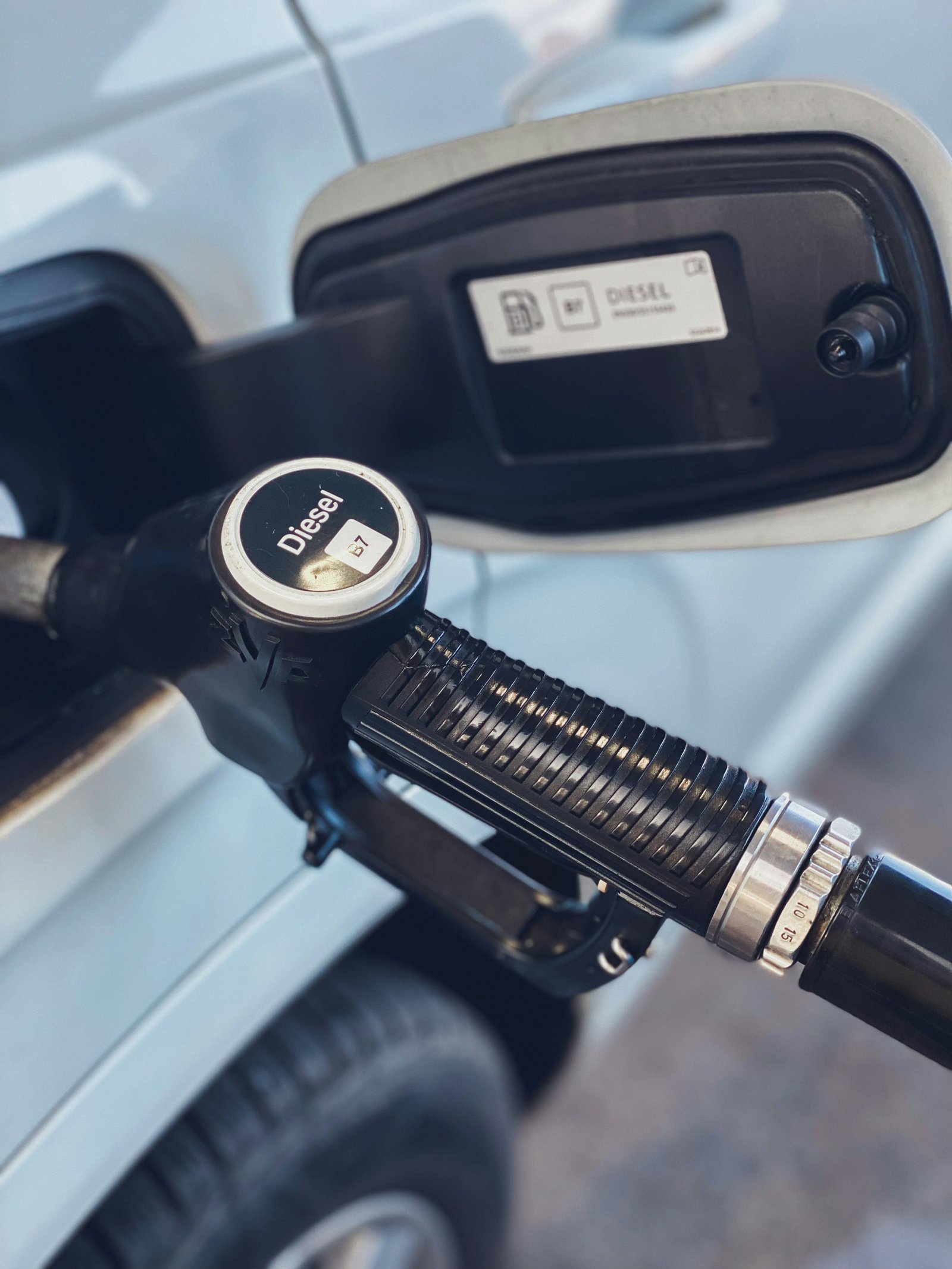
“Any disruption would risk negatively impacting both sides,” Gill said, adding that the EU expected “close partners to consult each other before taking measures that affect shared markets”.
The warning came as energy analysts assessed the possible impact of an American export restriction on European fuel supplies.
Europe Relies Heavily On US Diesel
US diesel has become an increasingly important source of fuel for Europe as production from refineries affected by the war in the Middle East and disruptions in Russia has declined.
American supplies accounted for about a third of Europe’s diesel imports this year, while by August the US was responsible for roughly half of the continent’s imported diesel.
Energy experts have warned that an export ban could significantly increase competition for alternative supplies from other regions.
Josh Michalowski, head of European diesel pricing at Argus Media, said Europe could face serious supply challenges if US exports were halted.
“A US export ban would be devastating for diesel supply in Europe, which would struggle to replace supply,” he said.
However, Europe is not expected to immediately run out of diesel. The continent produces about 70 per cent of the fuel it consumes through its own refineries and also maintains fuel reserves.
The concern is that European buyers would have to compete with customers in Asia for limited supplies from regions such as the Middle East and India, potentially driving prices higher.
Benedict George, head of European products at Argus, said the market had remained relatively calm since reports of the possible US ban emerged.
He said traders were still trying to determine how seriously the White House was considering the measure.
“If this prospect became even relatively serious [in the White House], it would be very serious for European markets. There would be some degree of panic given how reliant buyers have become on US cargoes,” George said.
“There’s enough European diesel production to ensure that we wouldn’t run out, but losing US cargoes would mean buyers would have to compete with buyers in Asia for the few available cargoes from the Middle East and India, in what is already a very competitive global market.”
US Energy Secretary Raises Concerns
Trump’s proposal has also attracted caution within his own administration.
US Energy Secretary Chris Wright described an export ban as a “blunt tool” and warned at an Economist event in New York that such a measure could damage American fuel supplies over the longer term.
Diesel prices have risen sharply alongside global oil prices following major disruptions at refineries in the Gulf and Russia.
The difference between the price of crude oil and refined fuel, known as the “crack spread”, reached a record level earlier this month and could rise further if supplies become tighter.
UK Faces Additional Pressure
The United Kingdom could also be particularly vulnerable to a reduction in American diesel exports.
Thomas Pugh, chief economist at audit, tax and consulting firm RSM UK, said the UK’s increasing reliance on US refined fuel could leave it exposed.
“A US ban on diesel exports would pose a significant challenge for the UK, given the country’s growing reliance on American refined fuel,” Pugh said.
The UK currently has four operating oil refineries following the closure of Grangemouth and Lindsey last year. Both facilities previously produced diesel for the domestic market.
Pugh estimated that losing nearly 90,000 barrels of US distillate per day, equivalent to about 18 per cent of UK consumption, would increase the country’s exposure to global diesel prices.
While he said an immediate fuel shortage was unlikely, Pugh warned that a prolonged export ban could make shortages a “real possibility”.
Diesel remains particularly important to the UK’s agricultural and logistics industries, powering heavy machinery, lorries and vans despite declining use of diesel-powered passenger cars.
The European Commission said discussions between Brussels and Washington were continuing.
“High-level contacts between the European Union and the US administration are ongoing,” its spokesperson said.
A UK government spokesperson also sought to reassure motorists, saying: “Forecourts in the UK are being supplied with petrol and diesel as normal and we have a diverse and resilient supply. We continue to engage with our international partners and the UK fuel industry.