Natural springs and centuries-old pools across the occupied West Bank have traditionally offered Palestinians relief from the region’s intense summer heat while also supporting farming and tourism.
However, access to some of these water sources is becoming increasingly restricted as Israeli settlers expand efforts to take control of springs and other heritage sites, affecting Palestinian communities that depend on them for irrigation and tourism.
One recent dispute occurred near the Palestinian village of Fasayil, where water from a natural spring was diverted during the summer to an ancient pool nearby.
The water was reportedly used to fill the pool, which was subsequently promoted as a tourist attraction named after Herod, the Roman-appointed king of Judea.
Under agreements reached during the 1990s, the pool is located in Area C of the West Bank, which remains under full Israeli military control. Research by Dror Etkes, head of settlement watchdog group Kerem Navot, found that the land was privately owned.
Saad Nemer, a Palestinian farmer from Fasayil, said the diversion of the water had severely affected his farmland.
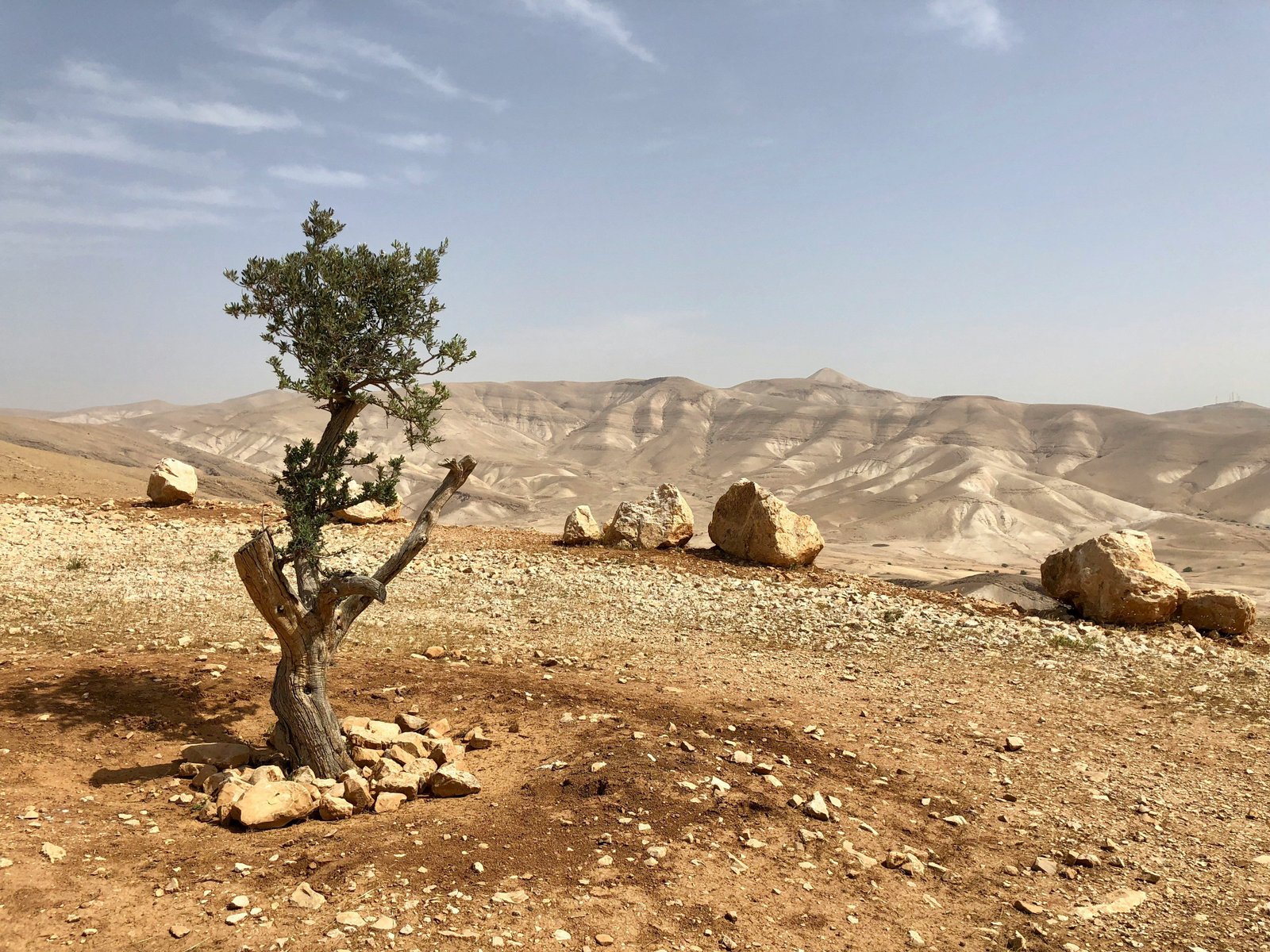
He said his family possessed documents showing that they owned the land.
Israel’s military body responsible for civil affairs in the West Bank, COGAT, acknowledged that the water had been diverted “without authorization” and said the matter would be investigated.
The dispute is part of wider tensions surrounding swimming areas and natural springs across the West Bank.
Last week, an Israeli father of six was shot and killed by a Palestinian at a spring in the northern West Bank while bathing with his eldest son ahead of the Yom Kippur holiday.
Dispute Over West Bank Settlements
Israel has controlled the West Bank since capturing the territory, along with East Jerusalem and the Gaza Strip, from Jordan and Egypt during the 1967 war.
Over the decades, Israel has established numerous settlements across the territory, with more than half a million Israelis now living in settlements on land Palestinians claim for a future independent state.
The international community largely considers the settlements illegal under international law.
Tensions have increased in recent months amid reports of settler violence and actions that have displaced Palestinian residents.
Earlier this month, the British government accused Israel of turning “a blind eye” to what it described as “ethnic cleansing of Palestinians in areas of the West Bank — perpetrated by settler terrorists.”
Israeli Prime Minister Benjamin Netanyahu has condemned settler violence but attributed the incidents to a “handful of rioters” in the occupied West Bank.
He said those individuals were harming the reputation of the “law-abiding settler public.”