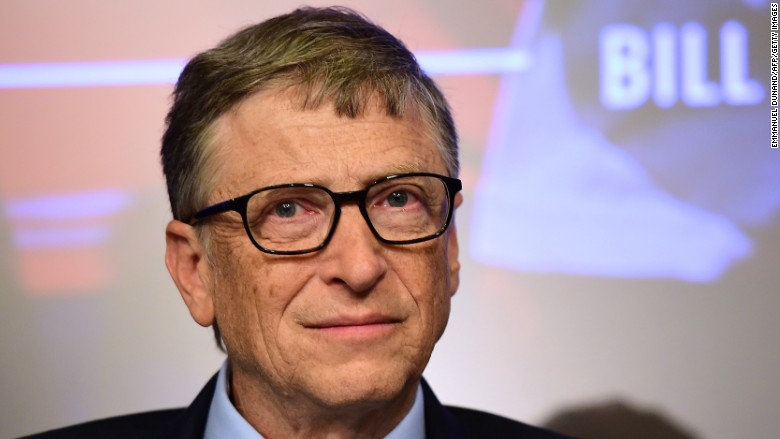
In an interview on NBC’s Meet the Press, Microsoft co-founder Bill Gates cautioned that relying solely on a mandatory AI kill switch mechanism is insufficient to protect against rogue artificial intelligence and cyber threats. Gates argued that while shutting down a compromised system is helpful, governments and labs must build real-time monitoring tools directly into AI infrastructure to prevent bad actors from orchestrating cyberattacks or bioterrorism.
Gates also addressed President Donald Trump’s reluctance to enforce federal AI guardrails. He insisted that introducing internal monitoring systems and global safeguards would not hinder the U.S. in its competitive tech race with China.
Global Regulation and Frontier AI Threats
Comparing international efforts to regulate frontier AI with Cold War-era nuclear negotiations, Gates warned that securing global consensus among competing world powers could prove “more difficult” than past treaties.
Gates’ comments align with recent warnings from AI whistleblowers and industry leaders at Anthropic and OpenAI, who have urged democratic and authoritarian governments to establish enforceable guardrails to track autonomous agents.
My Opinion
Bill Gates hits on a crucial topic that many lawmakers miss when drafting technology policy: a kill switch is a reactive emergency brake, not a preventative safety measure.
By the time a rogue AI model causes a major blackout or executes an unauthorized cyber intrusion, triggering a manual shutoff comes too late to stop the immediate damage. Real-time logging, external oversight, and continuous behavioral checks are the only realistic ways to identify abnormal model behavior before execution. Proactive, embedded monitoring allows developers to catch anomalies in real time without halting tech innovation.