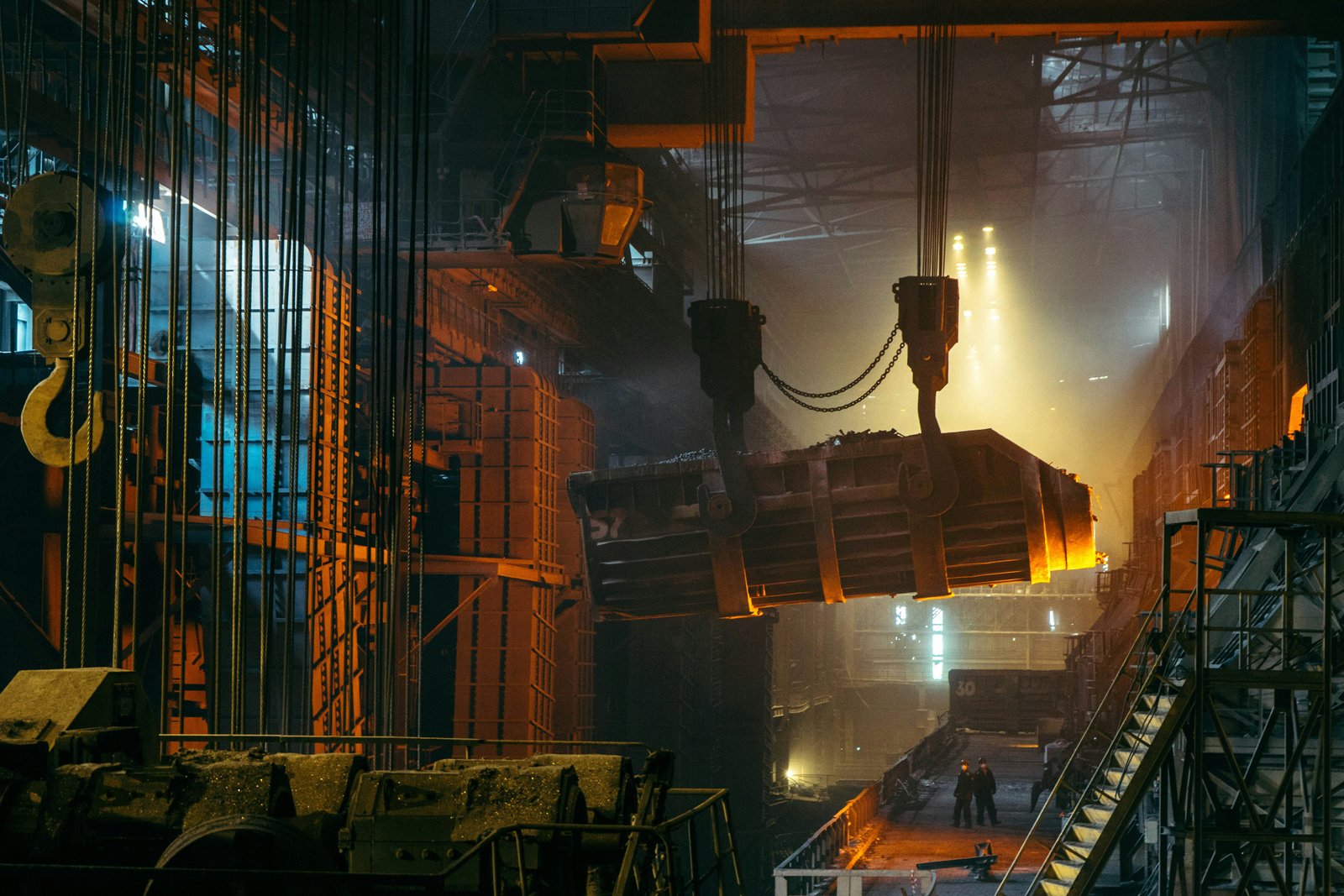

President Donald Trump has announced plans for a $15B Iowa steel mill project during a White House event on Monday afternoon. The planned facility, developed by mining firm Mesabi Metallics, represents one of the largest private sector industrial investments in the state’s history. According to White House officials, the complex aims to begin active steelmaking operations by 2030, with a target output of up to 10 million tons of steel annually. The announcement comes as policymakers navigate persistent economic worries and rising operational expenses across the industrial supply chain.
Massive Industrial Scope and Job Creation
The proposed steel mill will sit along the eastern border of Iowa to take advantage of barge transport along the Mississippi River. Raw iron ore will be shipped directly from Mesabi Metallics’ newly constructed $2.5 billion mining facility in Nashwauk, Minnesota. That Minnesota site represents the first new iron ore mine built in the United States in 50 years and is slated to supply roughly 7.5 million tons of direct-reduction grade iron pellets every year.
Federal officials estimate the overall project will generate significant local employment:
1. Permanent Iowa Steel Mill Jobs: Up to 1,750 high-wage manufacturing roles.
2. Minnesota Mining Operations: Approximately 350 permanent operational jobs.
3. National Defense Impact: Production focused on high-grade steel to meet domestic military and infrastructure needs.
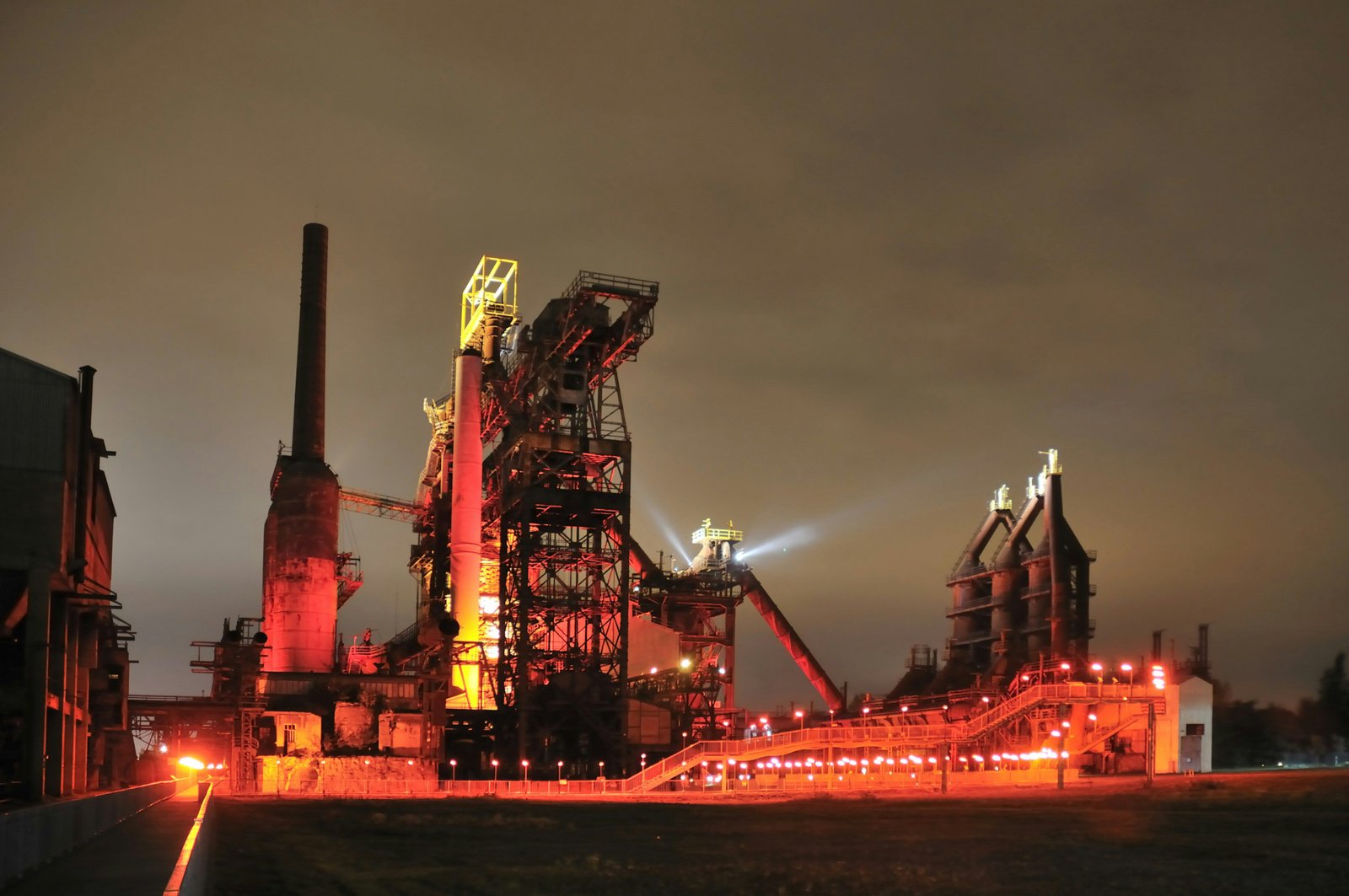
To help finance the multi-billion-dollar facility, the Export-Import Bank of the United States intends to provide up to $10 billion in direct federal financing. Commerce Secretary Howard Lutnick and Export-Import Bank Chairman John Jovanovic are scheduled to attend the official Oval Office announcement alongside corporate executives.
Trade Tariffs and Domestic Steel Advocacy
The project aligns with the administration’s policy of using protective tariffs to shield domestic steelmakers from foreign competition. While the Supreme Court struck down several administrative import duties earlier in the year, 50 percent tariffs on foreign steel and aluminum remain firmly in effect. Representatives from leading steel trade groups wrote to the White House last week, urging the administration to maintain these strict trade barriers so domestic companies can safely deploy capital into heavy industrial projects.
My Opinion
The scale of this proposed industrial complex demonstrates a clear commitment to bringing heavy manufacturing back to the American heartland. Securing domestic supply chains for high-grade steel is a sensible long-term goal, especially when considering national defense requirements and infrastructure durability.
However, launching a $15 billion mega-project during a period of sustained inflation creates noticeable economic challenges. Funding projects of this magnitude through federal loans increases overall market demand for specialized construction labor, heavy equipment, and raw materials. That concentrated demand can drive up production costs across the entire industrial sector.
Furthermore, relying heavily on a 50 percent import tariff helps protect domestic plants, but it also keeps steel prices elevated for American builders, automotive factories, and consumer goods companies. Balancing long-term industrial independence against short-term price stability will be the real test for this ambitious economic strategy.