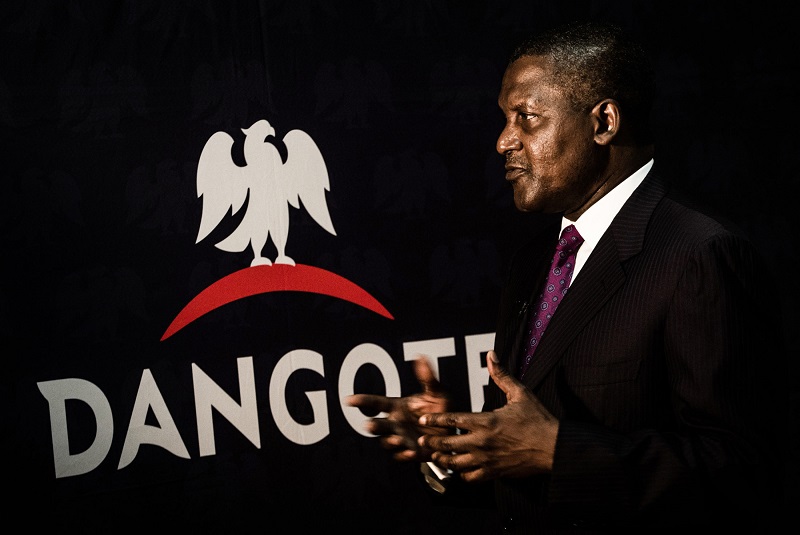

Nigerian businessman Aliko Dangote and Kenyan President William Ruto are expected to formally launch construction of a $16bn oil refinery in Lamu, along Kenya’s northern coastline.
The proposed facility is projected to process up to 700,000 barrels of crude oil daily once completed, making it the largest refinery by capacity in East Africa.
Construction is scheduled to begin on November 1, with the project expected to be completed by 2030.
The planned development has already generated opposition from some residents in Lamu, who have staged protests demanding additional compensation for land acquired for the project.
However, Dangote, speaking to the BBC, dismissed the demonstrations, describing them as efforts by local marketers and international interests to frustrate the project.
He maintained that the refinery would proceed as scheduled despite the protests.
Responding to questions about the compensation demands during the BBC’s Focus on Africa programme, Dangote said his company only took the amount of land it required from the area provided by the Kenyan government.
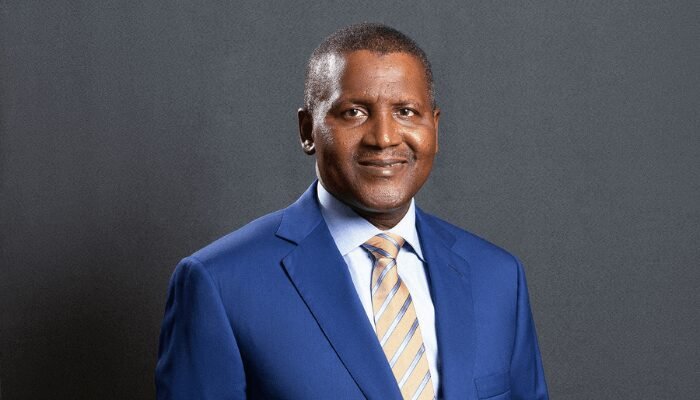
“To come and say some people are demonstrating, demonstrating about what? Have you ever seen people demonstrating against themselves in terms of development?” he asked.
Dangote said the project would provide significant employment opportunities, estimating that about 60,000 jobs could be created when construction reaches its peak. He added that the economic impact would extend beyond those directly employed by the refinery.
“Are we going to bring robots? Of course, the people will benefit,” he said.
The Lamu refinery would become Kenya’s biggest infrastructure project since the country gained independence, overtaking the $5.1bn Standard Gauge Railway project. East Africa currently has no operating oil refinery.
The choice of Kenya as the location has, however, attracted questions because the country does not produce crude oil. Some critics have argued that Tanzania or Uganda could have been more suitable locations, given their plans to export oil through the East African Crude Oil Pipeline.
Kenya’s Energy and Petroleum Minister, Opiyo Wandayi, rejected the argument that the refinery must be located in an oil-producing country.
“Refineries get crude oil from the market. And the market is open,” he told the BBC.
Dangote similarly pointed to Singapore, which has developed a major refining industry despite producing no crude oil domestically.
“Singapore doesn’t produce a single drop of oil, yet they have a lot of refineries,” Dangote said.
The project will also feature a 1,000-megawatt power plant, which Dangote said would support the refinery and other industries expected to establish operations around Lamu.
The billionaire has repeatedly identified inadequate electricity supply as one of the major barriers to industrial development across Africa. He said dependable power could help resource-rich countries process raw materials locally rather than exporting them in an unprocessed form.
Dangote currently has about $50bn worth of projects planned across Africa and intends to develop 10,000MW of power-generation capacity on the continent by 2030, with the possibility of expanding that target depending on demand.
Explaining the planned power infrastructure in Lamu, he said, “The power is there and what you do is what we call plug and play.”
Kenya’s relatively high fuel prices have also fuelled expectations that additional refining capacity could eventually reduce the cost of petrol and other petroleum products. However, crude oil prices are determined largely by international markets and remain a major component of fuel prices.
The Lamu refinery represents Dangote’s biggest proposed investment outside Nigeria. His existing refinery in Nigeria also has a processing capacity of 700,000 barrels per day.
Dangote has announced plans to increase the Nigerian refinery’s capacity, following plans to raise up to $2.1bn through the sale of 4.1 million ordinary shares earlier this month.