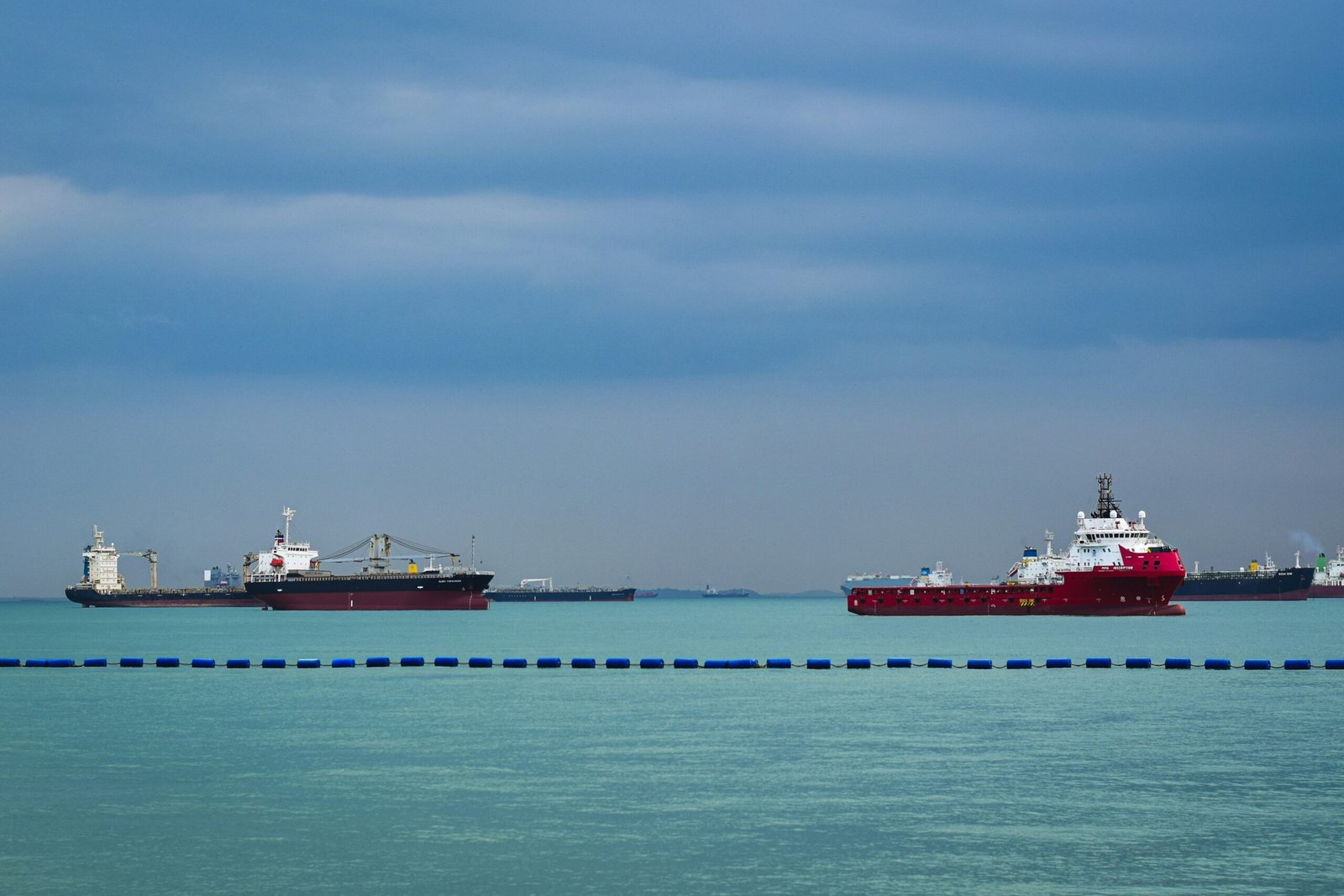

Oil exports from the Middle East have increased significantly this month, bringing shipments closer to levels recorded before Iran shut down the Strait of Hormuz in March, according to oil analysts.
The rise in crude shipments could help reduce some of the pressure that disruptions in the region have placed on global energy prices.
Data from tanker-tracking firm Kpler showed that an average of about 10 million barrels of oil per day passed through the Strait of Hormuz in September.
An additional six million barrels of crude per day left Persian Gulf countries through pipelines and ports that bypass the strategic waterway, according to Kpler.
Before the war with Iran began in late February, about 19 million barrels of crude were exported from the region each day through the strait and alternative routes.
Analysts cautioned that tracking oil tankers is difficult and that the available figures may not capture the full volume of exports. However, most experts agree that crude shipments from the region have increased considerably this month.
The most notable recovery has been recorded in traffic through the Strait of Hormuz, despite continued Iranian attacks on tankers.
A US military operation intended to protect vessels from those attacks appears to have helped restore confidence among major oil exporters, including Saudi Arabia and the United Arab Emirates, encouraging them to increase shipments.
Eugene Gholz, an associate professor of political science at the University of Notre Dame and a specialist on conflicts involving the strait, said the flow of oil was continuing to improve.
“They are getting a substantial amount of oil out, and it is increasing over time as shippers’ confidence goes up,” Gholz said.
President Donald Trump, members of his administration and US military officials have repeatedly said in recent weeks that the Strait of Hormuz remains open and that oil tankers continue to pass through the waterway.
The recovery in exports comes as global energy markets continue to monitor developments around the strategic strait, through which a significant volume of the world’s oil supply normally moves.