A nuclear energy startup is seeking to build hundreds of small reactors on thousands of acres of federal land in Utah as part of an ambitious project that would also feature data centres, nuclear fuel production and waste storage facilities.
Valar Atomics has proposed “Project Beehive” on more than 9,000 acres managed by the US Bureau of Land Management near Price, Utah, according to documents reviewed by NPR.
The proposal submitted to federal regulators outlines plans for about 456 small nuclear reactors alongside data centres and facilities for producing nuclear fuel and storing nuclear waste.
Together, the reactors would generate approximately 9.6 gigawatts of electricity for the data centres, while also producing additional heat for industrial uses.
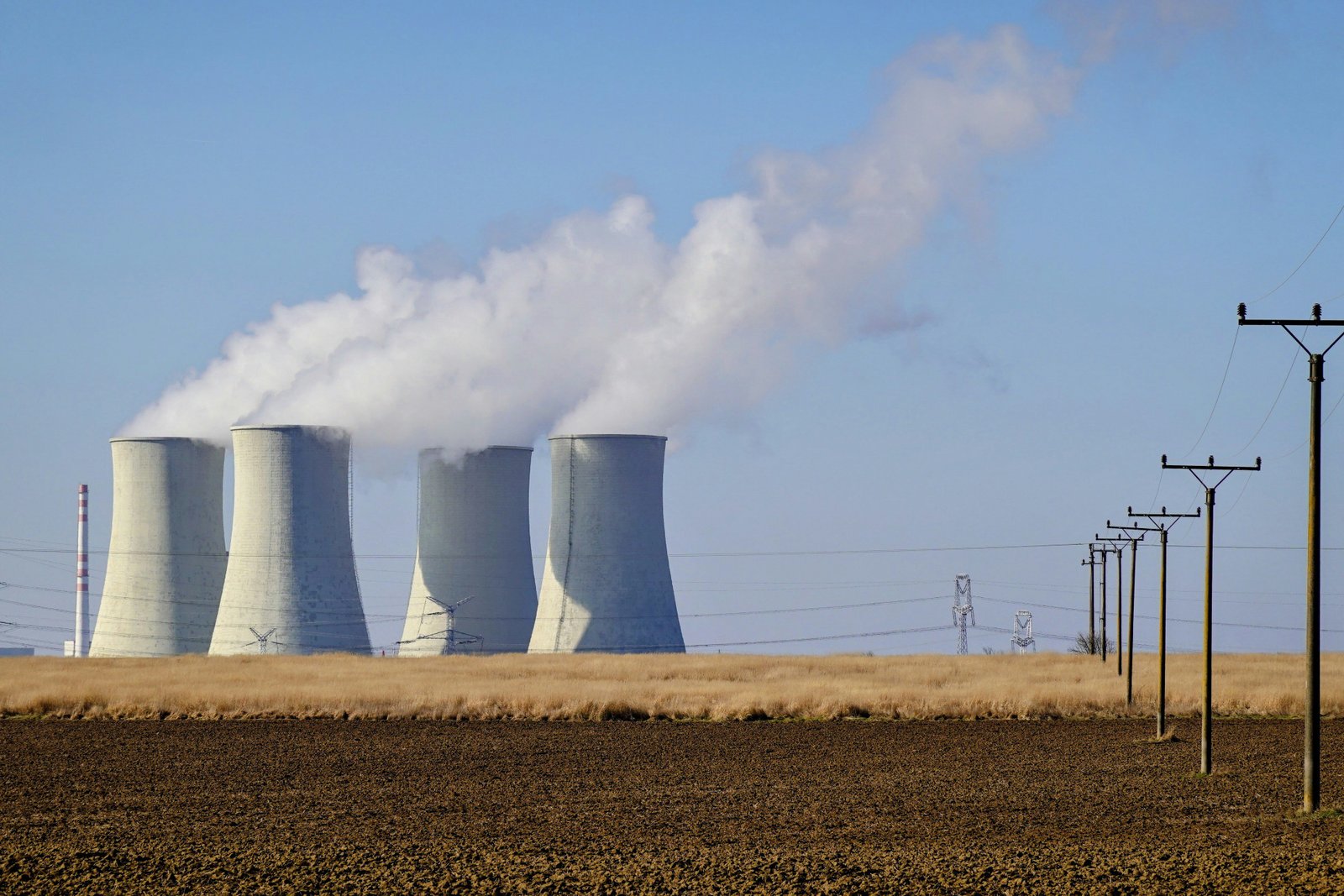
The proposed electricity output is more than twice Utah’s average electricity production, which currently stands at about 4 gigawatts. The state’s peak generating capacity during summer can reach around 10 gigawatts.
Valar’s proposed schedule would see construction of non-nuclear infrastructure begin as early as the end of this year, with the first reactors targeted to start operating in 2028. The entire development could be completed by 2032, according to a document reviewed by NPR.
The company is also seeking access to about 650 acres of state-owned land for the project, according to Utah state records. The Salt Lake Tribune previously reported on the proposed use of state land but did not report the larger federal land application.
The scale of the proposal has raised concerns among environmental activists in Utah, where several data centre projects are already being proposed.
Neal Clark, wildlands director at the Southern Utah Wilderness Alliance, criticised the proposed development on public land.
“It’s concerning to see that the Trump administration, with the support of the state of Utah, is pushing this forward on significant acreage of public lands,” he said.
Lexi Tuddenham, executive director of the Healthy Environment Alliance of Utah, said opposition to the project could extend beyond traditional political divisions.
“The coalition of people who are concerned about these things completely transcends political lines,” she said.
Tuddenham said her immediate priority was to draw attention to the proposal. “The biggest thing we can do right now is to let people know about it.”
The Bureau of Land Management’s Utah office confirmed that it had received Valar’s application and said it was assessing whether the submission was complete.
“We are currently reviewing the application for completeness,” the agency told NPR in an email.
It added that as the proposal proceeds through the National Environmental Policy Act process, “we will make sure the public has meaningful opportunities to provide input.”
Valar did not immediately respond to NPR’s request for comment. However, company CEO Isaiah Taylor told NPR in July that the company intended to prioritise safety and cooperation with residents.
“We’re doing it responsibly and accountably to this community,” he said, referring to a smaller test reactor being operated by the company in a neighbouring county.
Small reactors, major ambitions
Project Beehive highlights the growing ambitions of companies seeking to expand the use of nuclear power through small modular reactors.
The emerging nuclear industry has received support from the Trump administration, which has introduced regulatory changes aimed at making it easier for companies to test and deploy smaller nuclear reactors.
Valar has been involved in some of those efforts. Taylor attended a White House event when President Donald Trump signed executive orders last year aimed at accelerating nuclear development.
The company was also selected for the Department of Energy’s Reactor Pilot Program in August 2025.
In February, the US military transported Valar’s experimental reactor, Ward 250, from California to Utah aboard a C-17 aircraft.
The reactor later received approval following changes to the Department of Energy’s internal nuclear safety and security regulations. In June, Ward 250 achieved criticality, meaning it reached a self-sustaining nuclear reaction, inside a temporary structure in the Utah desert roughly 30 miles from the proposed Beehive site.
On July 1, Valar demonstrated another milestone by using Ward 250 to generate electricity. Taylor used a thermoelectric system powered by the reactor to operate an Nvidia microchip.
“Ladies and gentlemen, Valar Atomics just became the first startup in history to make nuclear electricity right here,” he told those attending the event.
Project Beehive would be considerably larger than that demonstration. Since 2000, only three new nuclear power plants have begun operating in the US, collectively generating about 3.4 gigawatts of electricity.
Unlike those much larger plants, Valar plans to use smaller 25-megawatt electric reactors that could be installed individually and expanded over time.
The company says this approach could allow the project to be constructed in stages, potentially reducing costs and enabling parts of the site to begin operating sooner.
However, Tuddenham argued that the proposal raises questions that extend beyond the communities immediately surrounding the planned development.
“In this case, I think it’s bigger than the local community,” she said. “If we have facilities like this on public land for waste storage, for massive nuclear development, for data centers, that’s going to have tremendous implications for how public lands are used.”