The United States is expanding its online presence review for visa applicants from October 1, adding three nonimmigrant visa categories to those subject to enhanced screening.
The US Department of State said applicants for I, TN and TD visas will be covered by the expanded review and directed them to set their social media profiles to “public” or “open” to allow officials to conduct the vetting.
The measure does not mark the introduction of social media checks into the US visa process. Rather, it extends an existing system to additional categories as part of the State Department’s broader screening and vetting procedures.
From October 1, the review will apply to applicants for I visas, which are issued to representatives of foreign media, as well as TN visas for eligible professionals from Canada and Mexico under the USMCA and TD visas for qualifying dependents of TN professionals.
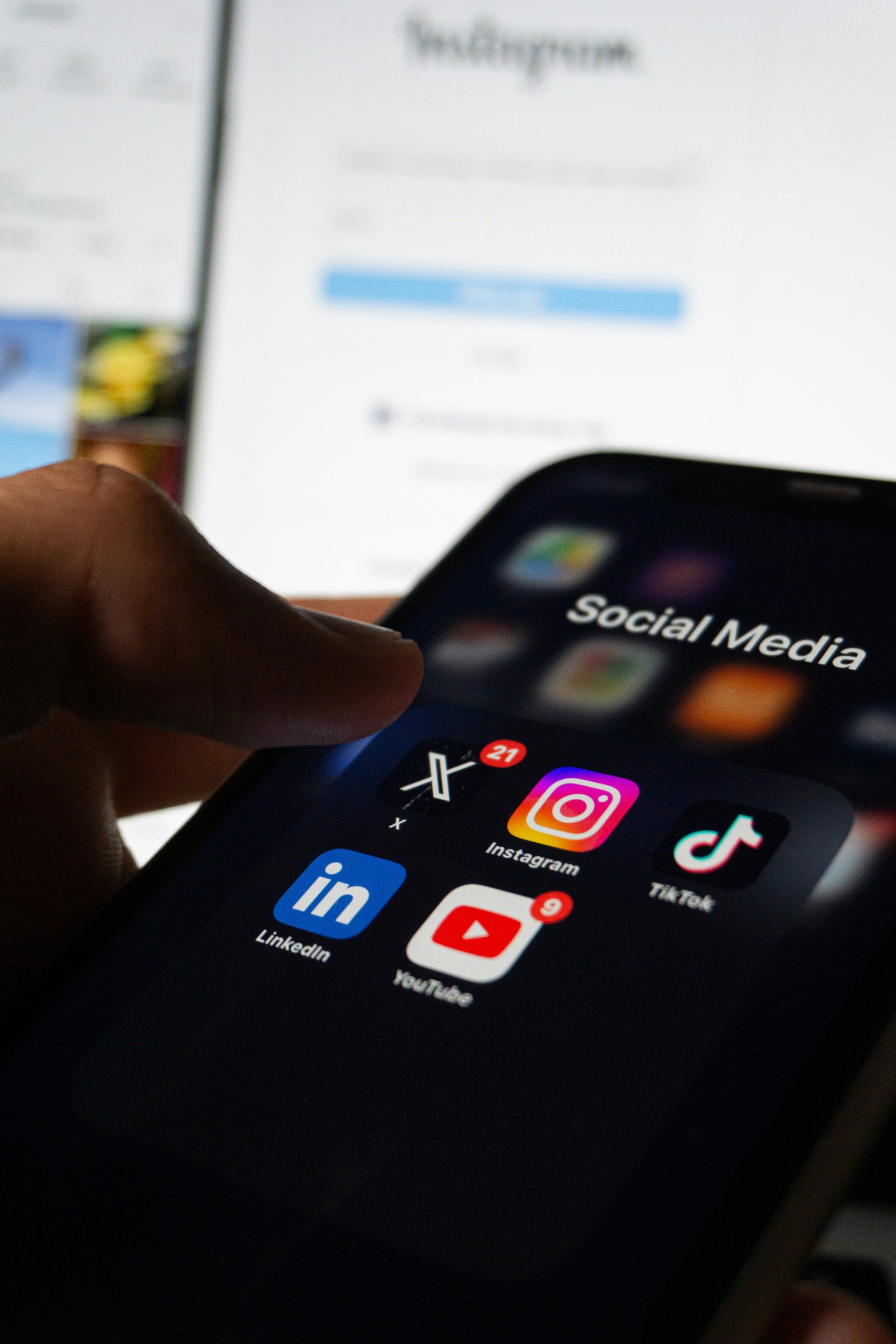
Applicants in the three categories have specifically been instructed to make their social media accounts “public” or “open” as part of the process.
The TN visa allows qualifying Canadian and Mexican professionals to seek temporary admission to the US for certain professional activities under the USMCA, while TD visas are available to eligible dependents of TN professionals.
I visas, meanwhile, are issued to foreign media representatives travelling to the US for professional purposes.
Social media screening has already been required for applicants in several other visa categories. The existing list covers F and M student visas, H-1B and some H-3 temporary workers and their dependents, J exchange visitors, K fiancé and dependent visas, Q cultural exchange participants, R religious workers and S, T and U visas.
Some diplomatic and official visa categories are also subject to the online presence review.
The State Department began requesting social media identifiers from most immigrant and nonimmigrant visa applicants in 2019, saying the information forms part of its screening and vetting process.
According to the department, information available to officials may be used to identify applicants who could be inadmissible, including individuals considered potential national security or public safety threats.
The department describes every visa adjudication as a national security decision and says applicants must demonstrate that they meet the requirements for the visa and intend to comply with its conditions.
The latest expansion comes as the Trump administration faces wider scrutiny over its approach to screening foreign nationals and tightening US entry requirements.
A separate proposal announced in December 2025 by US Customs and Border Protection has also attracted attention. The proposal sought to require travellers applying through the Electronic System for Travel Authorization, known as ESTA, to provide social media information covering the previous five years.
ESTA is used by eligible citizens of Visa Waiver Program countries travelling to the US for short visits without obtaining a traditional visa.
The proposal also called for additional information, including phone numbers used over five years, email addresses used over 10 years and details about certain close family members.
Social media information had previously been an optional part of ESTA applications, according to reporting cited in the source.
However, the ESTA proposal is separate from the October 1 visa change and was still only a proposal rather than an implemented rule.
The broader proposal has attracted criticism from travel and digital-rights organisations concerned about privacy and its potential effect on international travel.
The World Travel & Tourism Council warned that requiring social media information from Visa Waiver Program travellers could discourage some people from visiting the US. A survey of more than 4,500 international travellers cited in the source found that one-third said they would be somewhat or much less likely to visit the country if the proposed requirement were introduced.
WTTC president Gloria Guevara described the request for social media information as “intrusive” and warned that travellers had other destinations to choose from.
The US Travel Association also questioned whether the proposed measure would significantly improve security, while warning of a possible “chilling effect” on international travel.
The Electronic Frontier Foundation criticised the ESTA proposal as well. EFF’s Sophia Cope said it could “exacerbate civil liberties harms”, according to the BBC.
The Trump administration has previously expanded online presence reviews for students and other visa applicants, with some applicants instructed to make their social media profiles public and consular officers directed to examine online activity during the vetting process.
The administration has framed the measures around national security and public safety, while travel industry groups and digital-rights advocates have raised concerns about privacy, civil liberties and the possible impact on travel.
The October 1 change therefore expands an existing visa screening system rather than introducing a blanket social media requirement for all travellers to the US.