
Questions over whether Iran sponsored a UK terror attack plot have reached the highest levels of government following a major security breach near a strategic military base. Prime Minister Andy Burnham confirmed that British intelligence and law enforcement believe Tehran played a direct role in a recent security incident outside RAF Fairford, a key air station utilized by United States forces. The statement comes after counterterrorism police arrested five British men near the military installation, sparking widespread concern over state-backed threats on British soil. While Iranian representatives categorically deny any involvement in the incident, top government officials stress that foreign state involvement remains a primary focus of the ongoing security investigation.
Security Incident at RAF Fairford and Counterterrorism Response
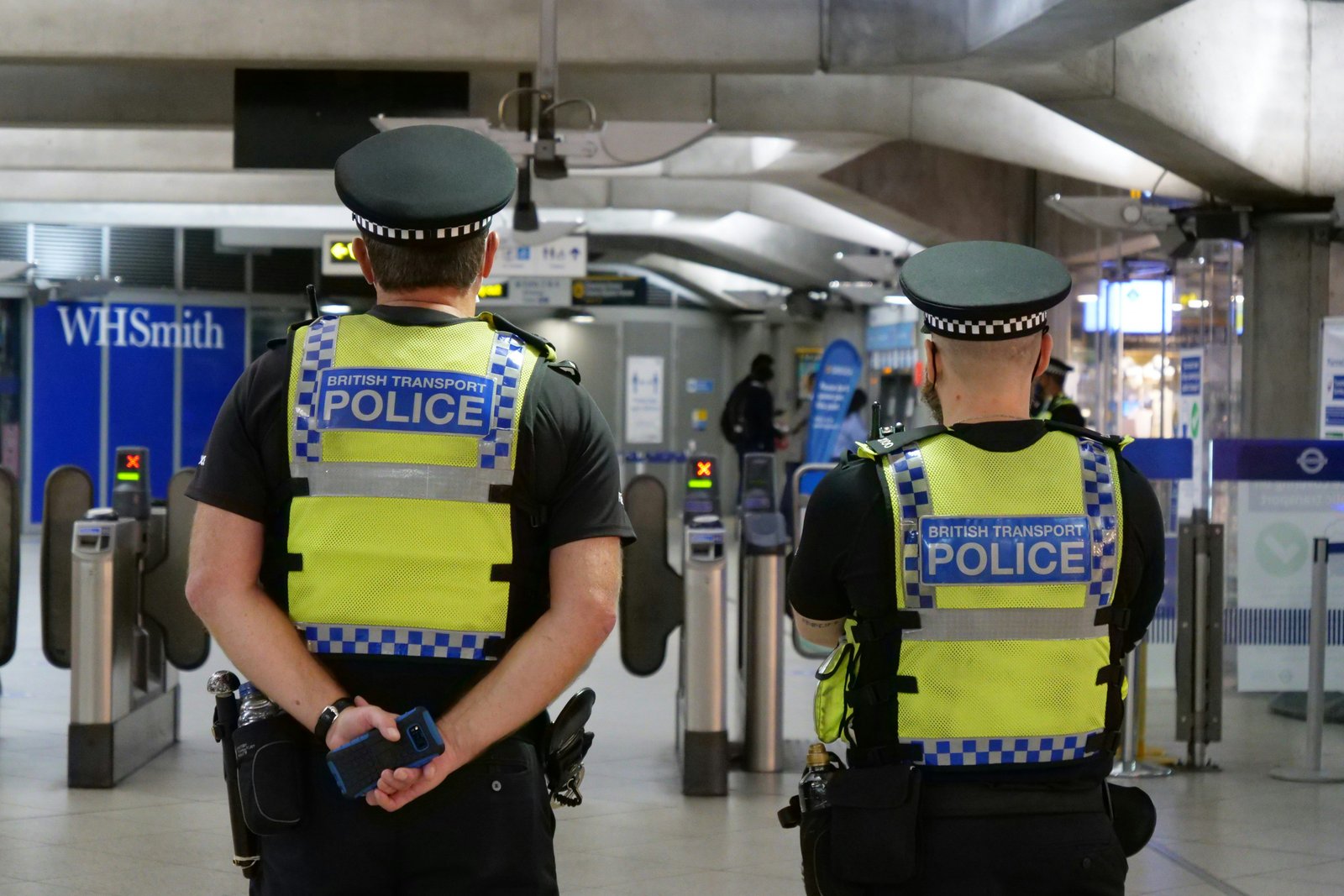
The incident unfolded when authorities intercepted three vehicles moving toward RAF Fairford in the early hours of Sunday morning. Counterterrorism officers arrested five men, all in their 20s from London, on suspicion of terror and explosives offenses. The operation prompted a major incident declaration, leading to emergency evacuations of dozens of homes in nearby rural communities like Whelford. Although subsequent military and forensic searches confirmed that no improvised explosive devices were present in the vehicles, investigators recovered a notable quantity of petrol and executed additional search warrants across London properties.
Controversy Over Bail Decisions and International Pressure
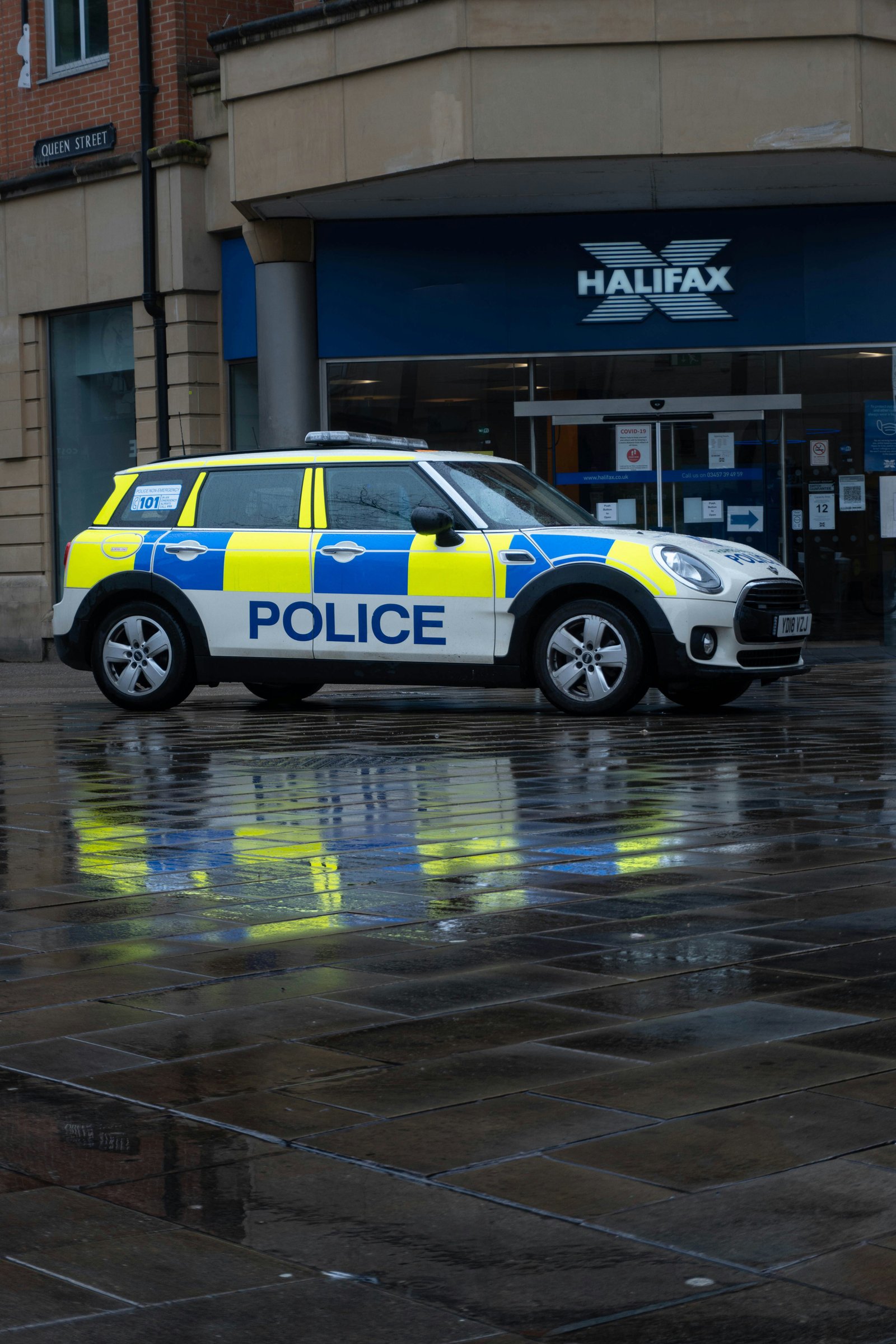
The decision to release all five suspects on bail under strict conditions drew swift international attention and criticism. Concerns were raised regarding how individuals detained under terrorism statutes could be released while investigations continued. Prime Minister Burnham reassured the public that intelligence and police agencies maintain strict surveillance and complete control over the situation. Meanwhile, foreign policy officials pointed to prior threats from Iran’s Islamic Revolutionary Guard Corps, which had publicly warned that any foreign military bases supporting defensive actions against Iranian targets would be treated as potential operational targets.
Opinion
The security incident near RAF Fairford points to a dangerous indication in how global conflicts spill over onto domestic territory. When foreign states begin utilizing proxy networks or radicalized individuals to target military installations within sovereign nations, it represents a direct challenge to national security and international law.
Public frustration over the decision to grant bail to individuals arrested on suspicion of terror offenses is entirely understandable. When serious security breaches occur near critical defence infrastructure, the public expects firm, decisive action. While legal procedures and investigative protocols must be respected, releasing suspects during an ongoing counterterrorism inquiry naturally creates anxiety and raises questions about risk assessment.
Moving forward, governments must treat state-sponsored sabotage and proxy operations with the utmost seriousness. Allowing foreign entities to test security boundaries around strategic air bases without clear, firm consequences invites further reckless behavior. Protecting national infrastructure requires tighter base security, vigilant counterintelligence operations, and an unyielding policy against foreign interference on home soil.