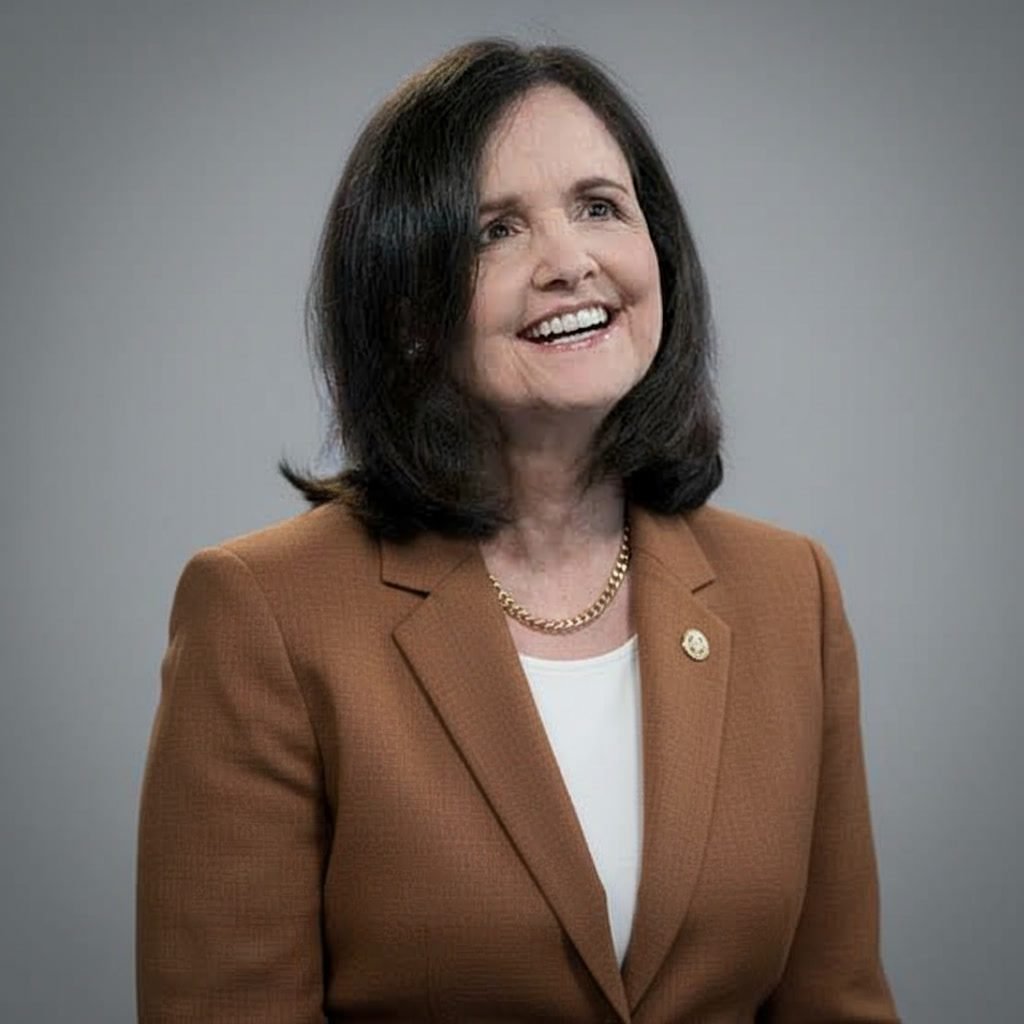
Scott Bessent names Judy Shelton, senior Treasury advisor, as a key counselor in the Department of the Treasury. The Treasury Department confirmed on Friday that Shelton, whose previous nomination to the Federal Reserve Board was blocked by the Senate, will advise Treasury Secretary Scott Bessent on international currency policy, with a primary focus on evaluating financial conditions in China. Because the position of counselor does not require Senate confirmation, Shelton will take on her new role immediately as the administration reshapes its top economic leadership team.
Focus on China, Exchange Rates, and Currency Strategy
The Treasury Department emphasized Shelton’s extensive background in international monetary policy and financial analysis. Throughout her career as an economist and author, Shelton has focused on how domestic monetary choices inside foreign nations impact global exchange rates. She previously served as the U.S. Director of the European Bank for Reconstruction and Development, led the National Endowment for Democracy, and held senior research positions at the Hoover Institution and the Independent Institute.
Shelton authored books such as The Coming Soviet Crash in 1989 and Money Meltdown in 1994, establishing her early background in analyzing foreign financial systems. Her central focus at the Treasury will involve examining China’s internal monetary policies, debt structures, and potential currency manipulations. Treasury officials noted that her advisory work aims to protect American trade interests and strengthen global economic stability.
Senate Confirmation History and Treasury Leadership Changes
Shelton’s appointment brings renewed attention to her past nomination struggle. President Donald Trump nominated her to the Federal Reserve Board of Governors during his first term, but her nomination was blocked in the Senate in 2020 after a bipartisan group of lawmakers expressed concern over her unconventional monetary views.
Critics questioned her advocacy for returning to a gold-backed currency standard, her views on federal deposit insurance, and her past statements regarding the independence of the central bank.
Her arrival comes during a period of executive restructuring within the Treasury Department. Secretary Bessent also recently named David Zervos, the former chief market strategist at Jefferies, to a counselor position. By appointing advisors who do not require Senate approval, Bessent is moving quickly to build an experienced economic team focused on international currency strategy and major trade relationships.
My View
Appointing Judy Shelton to advise the Treasury Secretary on currency policy and China brings a unique perspective into federal economic planning.
Shelton has long challenged traditional central banking practices, advocating for gold-linked financial instruments and greater oversight of international exchange rates. While her views faced significant pushback during her Federal Reserve confirmation hearings, her perspective aligns closely with an administration keen on examining trade imbalances, foreign currency practices, and economic competition with China.
Evaluating China’s currency dynamics requires a careful, objective understanding of international finance. Operating as a direct advisor allows Shelton to contribute analysis without the regulatory responsibilities of a Federal Reserve governor. The primary metric of success for the Treasury’s advisory team will be maintaining clear, realistic policies that protect American economic stability in an increasingly complex global market.