
Bill Likens stared down a half-mile-long line of cars that started forming before the sun came up over the Appalachian Mountains. He had one job: figure out how to feed them all.
Some had driven more than 30 miles in aging cars and trucks through flood-prone roads. They sat silently as the temperature rose into the 80s, their vehicles turned off with no air conditioning to preserve gas, waiting hours for a few boxes of food.
“There’s a decent chance we could run out,” said Likens, who runs the food pantry in Dunlow. “I don’t want them to sit in that line and not get anything. But I don’t have a lot of extra food these days.”
The Cuts and the Demand
Food distribution programs are getting less food from federal programs after cuts by the Trump administration. At the same time, restrictions on food stamps from the Republicans’ “big, beautiful bill” have driven up demand, while rising gas prices because of the Iran war have cut into the budgets of households and food banks alike.
An NBC News survey of 48 of the largest food banks across 35 states found that nearly three-quarters said more people are showing up over the past year. More than 80% said the food and funding they received through the USDA had dropped, and they were struggling with higher fuel costs.
In Maine, Good Shepherd Food Bank said the USDA cut the amount of food it received from 13 million pounds to 9 million pounds in one year. A Michigan food bank said it’s handing out less food to make sure there is enough to go around.
The Loss of Food Stamps
Trump signed into law new restrictions on who can receive SNAP benefits, requiring nearly all able-bodied adults not caring for young children to work, volunteer, or go to school at least 80 hours a month. Since the law was enacted, more than 5 million people, including at least 1 million children, have lost their food benefits.
In West Virginia, about 24,000 people, including 8,000 children, have lost food stamps since last summer.
White House spokesperson Anna Kelly defended the administration’s policies, saying Trump is “uplifting every American’s financial situation” through tax cuts and efforts to increase jobs. The USDA said it hasn’t reduced the amount of food it provides.
The Human Cost
Joanne Girvin, 73, used to own a restaurant nearby and is now living off Social Security. She has lost 20 pounds over the past year because she has been eating less. The night before, she’d eaten canned deer meat with rice and gravy.
“Sometimes I just sit down and cry when I’m trying to figure out what you’re going to eat out of a can or something because you don’t have no meat,” Girvin said as her eyes welled with tears. “It’s just really bad, this economy. It’s horrible.”
Bonnie Newsome, a former school bus driver, said she has been hit by higher electric bills, groceries, and gas. With winter coming, she’s worried about affording propane to heat her house.
“I really thought President Trump would move right on in and take care of everything,” Newsome said. “He’s disappointed me, he has.”
The Community Response
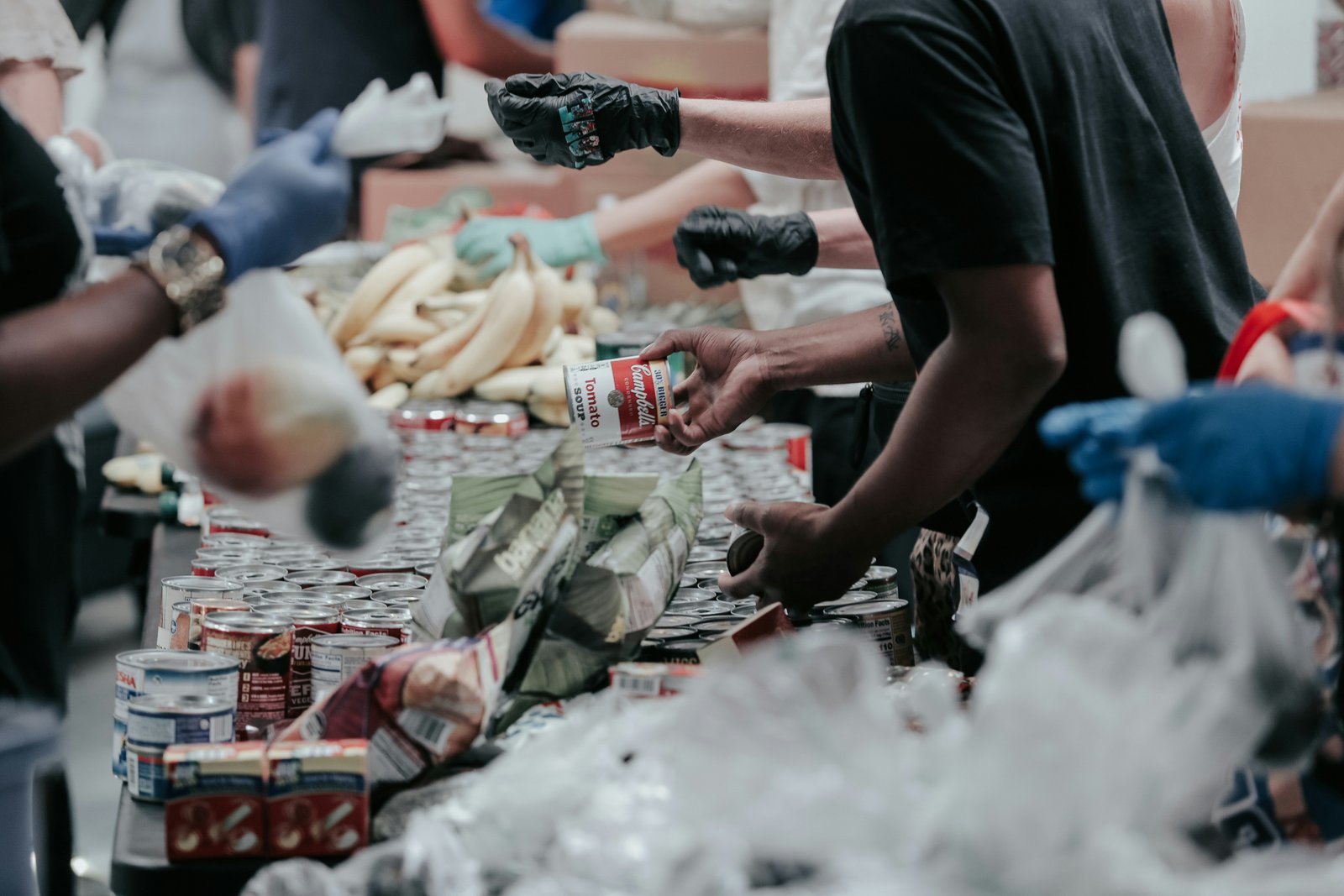
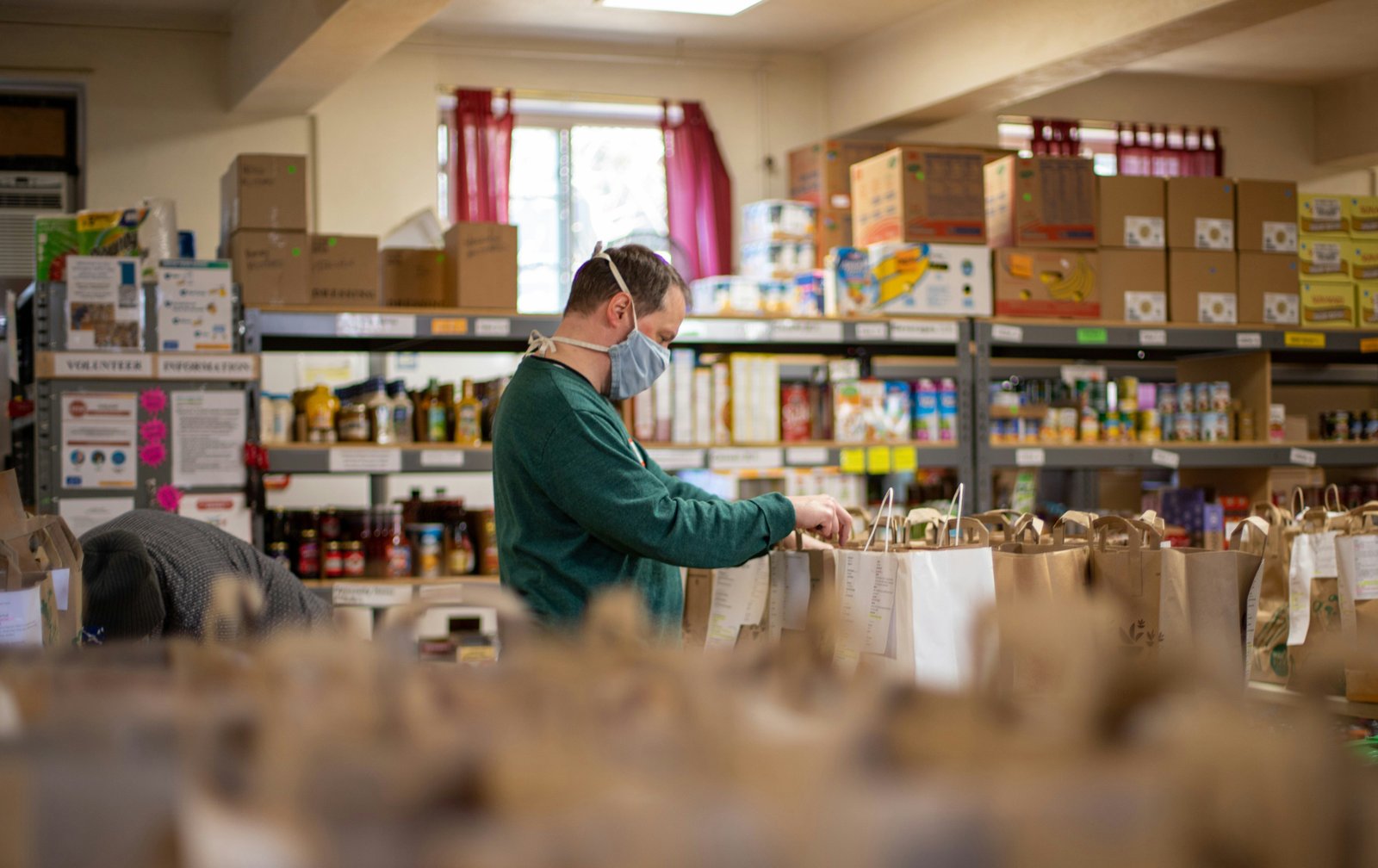
In Mingo County, Donna Paterino runs the Widow’s Mite Food Pantry, which serves more than 200 households a month, twice as many as a year ago. She picks up cast-off food from a nearby Dollar General, including milk a few days before its sell-by date.
“We have deficits here already with a lack of jobs, a lack of opportunities and being in a rural community,” Paterino said. “But what you don’t have other places that we do have is a camaraderie to help one another, neighbor helping neighbor. We stick together here.”
The Bottom Line
West Virginia food banks are facing unprecedented demand as Trump administration cuts reduce federal food supplies and new work requirements push millions off food stamps. An NBC News survey found nearly three-quarters of large food banks are seeing more people, while over 80% are getting less food and funding from the USDA. In West Virginia, 24,000 people have lost food stamps. Food pantry operators say they are struggling to do more with less.