
A new federal rule threatens to make it harder for Americans to obtain lower-cost prescription medications from Canada, prompting at least one pharmacist to offer a different solution: cutting out the middlemen he says drive up drug prices.
The change to US Customs and Border Protection rules is scheduled to take effect October 22. It is expected to end the use of enforcement discretion for certain packages of medication intended for personal use, potentially making it more difficult for patients to receive prescriptions from abroad.
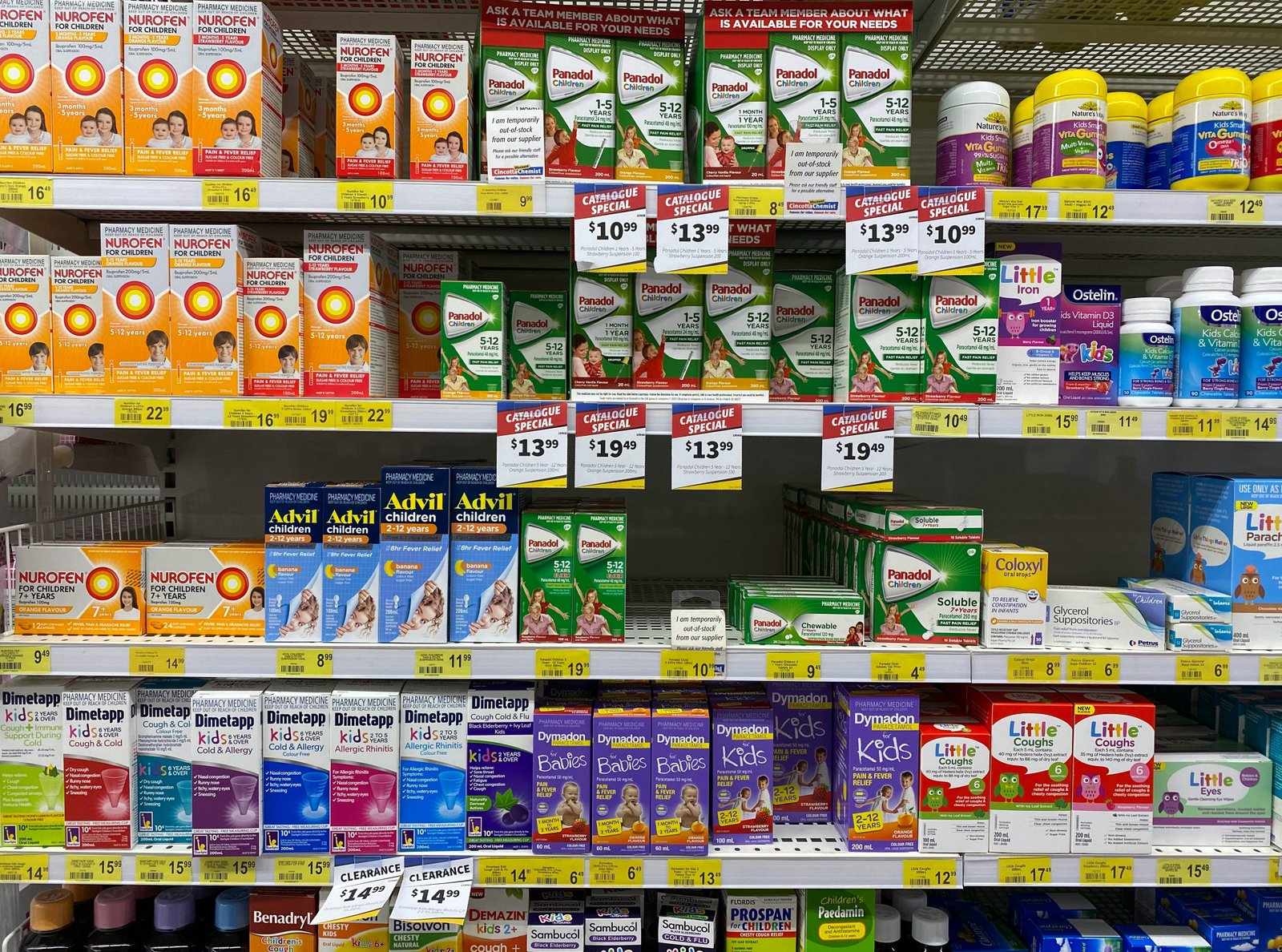
Some Americans have relied on Canadian pharmacies to obtain medications at significantly lower prices than those available in the United States.
The Cost-Plus Alternative
Brandon Antinopoulos, owner and pharmacist at ForwardRX Pharmacy in Beaver, Pennsylvania, uses a cost-plus pricing model that he said allows customers to see exactly how their medications are priced.
“We don’t have any insurance contracts,” Antinopoulos said. “Not having any contracts allows us to be completely transparent with folks in the way we price our medications.”
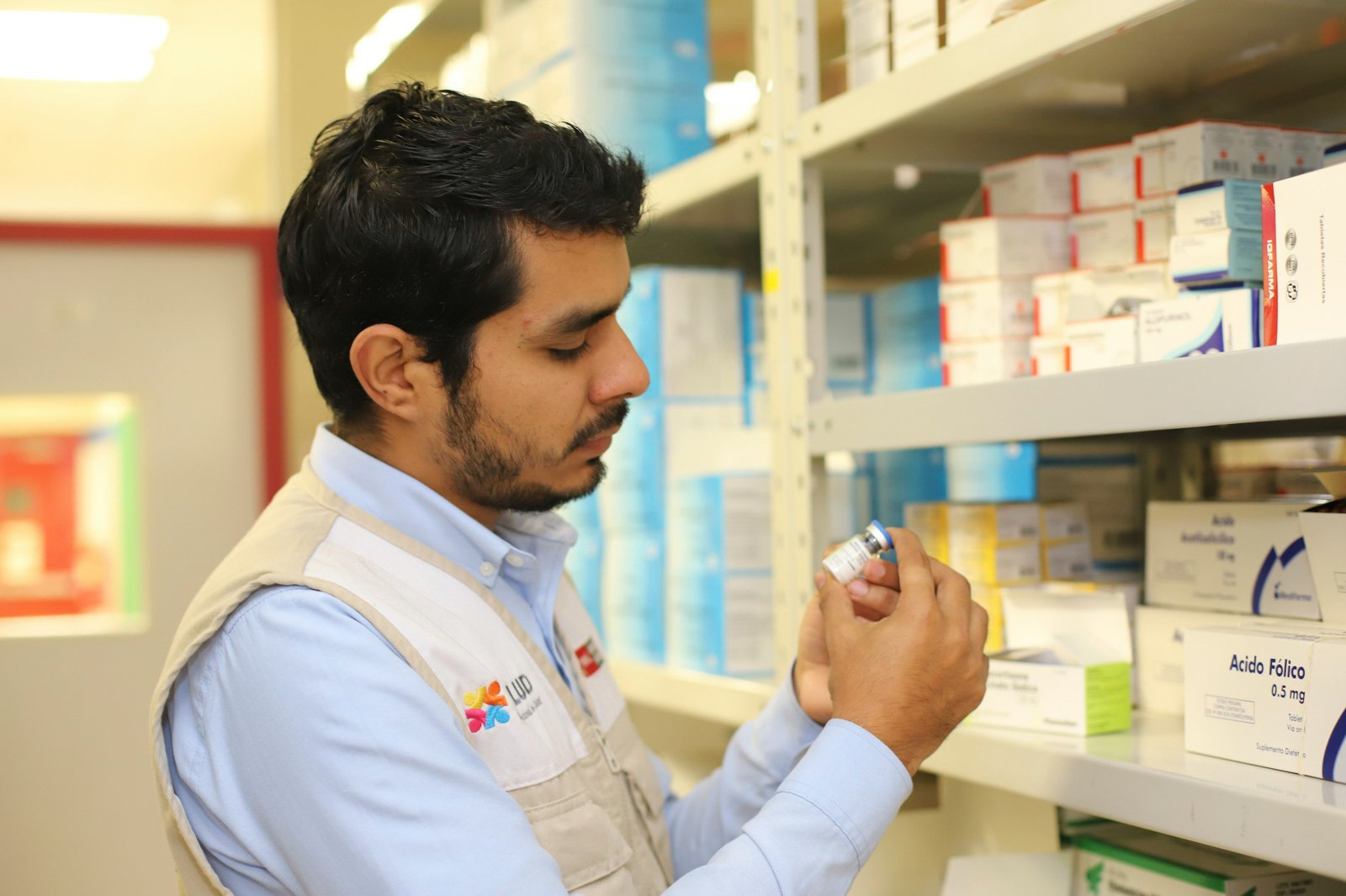
ForwardRX does not contract with pharmacy benefit managers, the intermediaries between health insurers, pharmacies, and drug manufacturers. Instead, Antinopoulos said his pharmacy adds a straightforward markup to the cost of each medication.
“Whatever the cost of the medication is for us to get, we do a simple, transparent markup, and that is the price,” he said.
The PBM Problem
The Federal Trade Commission has reported that the three largest pharmacy benefit managers process nearly 80% of prescriptions filled in the US. The companies behind these PBMs also have ties to health insurance plans and retail pharmacies, raising questions about how the structure of the industry affects competition and what patients ultimately pay.
Critics argue that the concentration of power among these companies can make prescription drug pricing less transparent and leave patients facing higher costs.
Victoria Elliott, CEO of the Pennsylvania Pharmacists Association, said pharmacists have a responsibility to ensure patients receive safe medications through appropriate regulatory channels.
“At the end of the day, pharmacists are responsible for the safety of their patients,” Elliott said. “So, if we are going outside of those regulatory parameters, we can’t guarantee patient safety.”
The Bigger Question
Elliott said she hopes the change prompts a broader conversation about why Americans are turning to other countries to afford their prescriptions.
“This may just be the pressure we need to relieve some of that, kind of right that ship, talk about vertical integration, and make sure this is not hitting the patient at the counter for sure,” she said.
As patients face uncertainty about access to cheaper medications from Canada, Antinopoulos and other pharmacists said the larger question remains: Why do so many Americans struggle to afford prescription drugs, even when they have health insurance?
The Bottom Line
A new US Customs rule taking effect October 22 will make it harder for Americans to import prescription medications from Canada. A Pennsylvania pharmacist is offering an alternative through a cost-plus pricing model that avoids pharmacy benefit managers. The three largest PBMs process nearly 80% of US prescriptions. Critics say the concentration of power in the industry drives up costs and reduces transparency.
My Opinion
Americans are not driving to Canada for prescriptions because they want to. They are doing it because they have to, especially because a life-saving medication costs ten times more in Pittsburgh than it does in Toronto. Something is broken in the American healthcare system and the government’s response is to make it harder to cross the border?
The real problem is not Canadian pharmacies. It is the middlemen. Three pharmacy benefit managers process nearly 80% of all prescriptions in the United States. They negotiate prices, decide what gets covered, and own pieces of the insurance companies and pharmacies they are supposed to be negotiating with.
Brandon Antinopoulos runs a small pharmacy in Beaver County that does not contract with PBMs. He adds a simple markup and shows customers exactly what they are paying. If that model can work in a small town, why can’t it work everywhere? The answer is that it threatens the middlemen who profit from opacity.
Closing the border to Canadian drugs does not fix the system. It just traps patients in it. If Washington wants to help Americans afford their prescriptions, it should take on the PBMs, not the people trying to survive them.