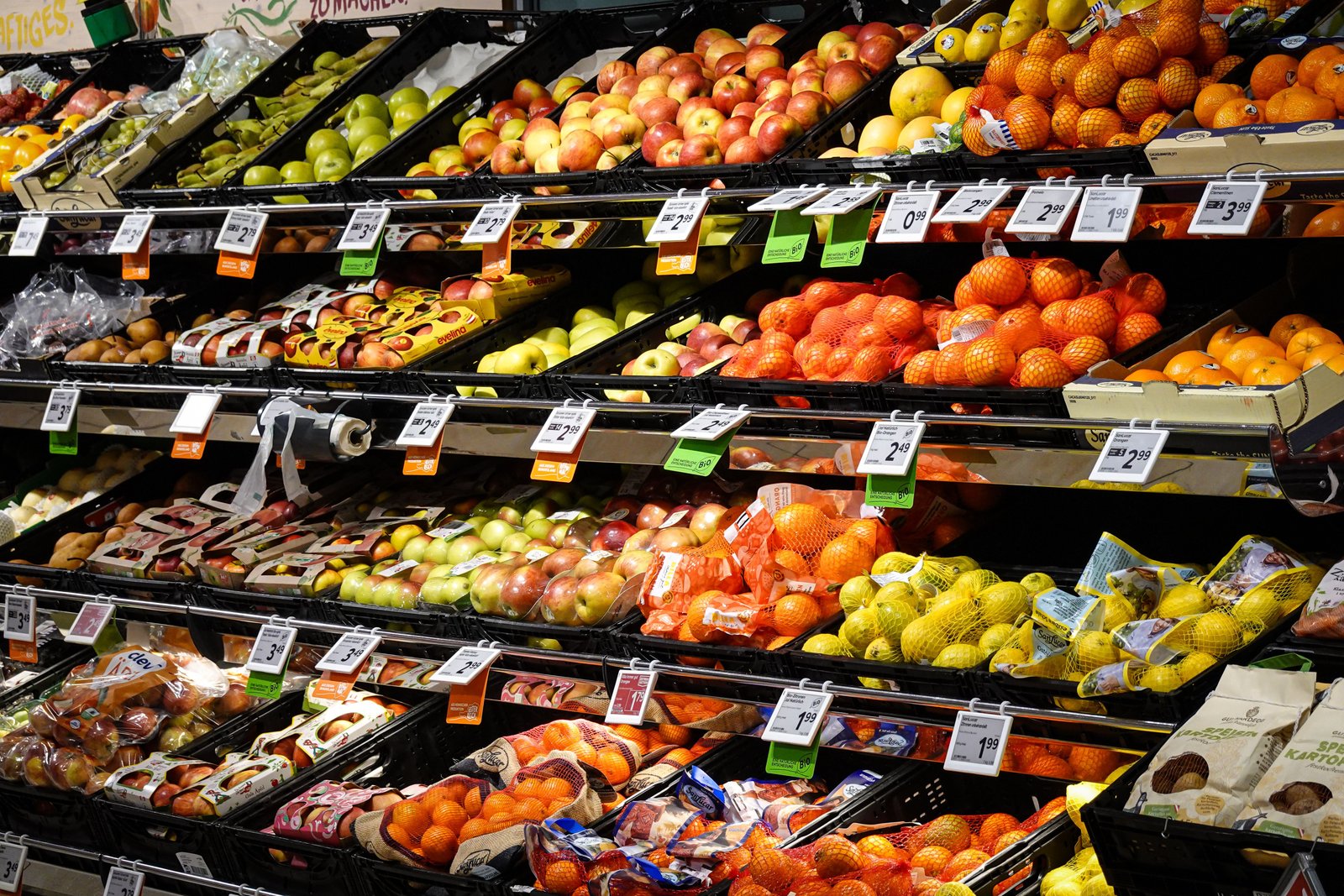

Supermarket chains in at least seven European countries have reported that the temperatures of refrigerators and freezers in some of their shops soared overnight to as high as 50C (122F), echoing a cyber-attack last month that caused millions of euros of damage in France.
Retailers in Belgium, Estonia, Ireland, Finland, Luxembourg, the Netherlands, and Sweden reported problems with their refrigeration systems on Monday, and several companies confirmed they had been hacked.
The Scale of the Attack
Sweden’s Coop chain said six of its shops had been hit, while ICA said a limited number of stores were affected. An ICA shop in southern Sweden posted that its fridges and freezers had been hacked and their temperature set at 50C. Another in Stockholm said its freezers were broken “due to a 2am cyberattack” and that “everything was destroyed.”
The Dutch retailer Ahold Delhaize said fridges and freezers in dozens of its supermarkets in Belgium and Luxembourg had been hit. Reporters visiting a shop north-east of Brussels saw refrigerators and freezers empty and a sign reading: “Due to cyberattacks, there will be no products on the refrigerated or freezer shelves.”
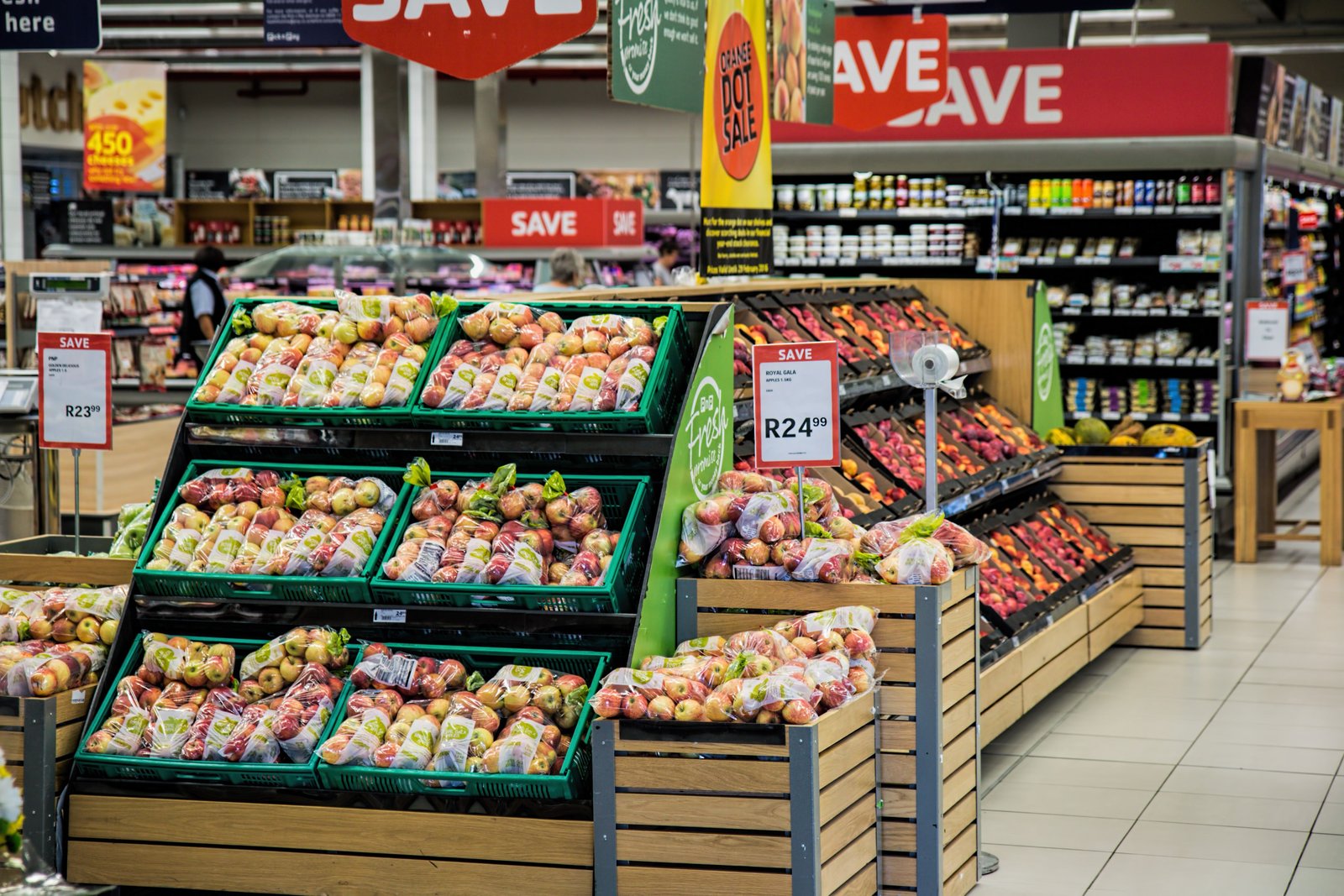
Belgium’s Le Soir newspaper reported that dozens of shops and supermarkets had been affected, including five Spar outlets and some smaller Proxy Delhaize mini-markets. Stephan Moelans, chief executive of the company that operates Delhaize’s refrigeration systems, said: “We started mobilising technicians at 1 am. We spent all night and morning disconnecting the affected installations.”
The Pattern
The incidents follow an attack in France last month in which hackers seized control of cooling units in as many as 700 supermarkets, raising their temperatures as high as 50C and causing fires and food losses estimated in the tens of millions of euros.
In the French attack, the hackers pirated controllers mostly supplied by the Danish company Danfoss. The hackers remotely overrode the settings on thousands of freezers, fridges, and chiller cabinets at chains including Intermarché, Coopérative U, Carrefour, Leclerc, and Monoprix. Individual supermarkets reportedly suffered losses ranging from tens of thousands of euros to more than €130,000.
The Paris prosecutor’s office has opened a formal investigation. France’s national cybersecurity agency reported that supermarkets using controllers from two other companies had also been targeted.
The Vulnerability
Tom Hegel of the cybersecurity firm SentinelOne said the supermarket attacks, with no financial demands, point to sabotage. “Retail is an easy target because retail chains run enormous estates of refrigeration controllers, building management systems, door access panels and point-of-sale gear,” he told Reuters.
Patrick Lamplmair of the cybersecurity firm Tributech said attackers would keep going “until it stops working” because the method was “cheap and the damage is immediate.” He noted that thousands of controllers were still reachable from the internet after the French attack. “A few commands to a temperature controller can destroy stock overnight and close stores.”
The EU Response
EU food and agriculture commissioner Christophe Hansen said the repeated cyber-attacks were deeply concerning, calling them “a deliberate attempt to disrupt our food supply chain and undermine consumers’ confidence in it.”
The attacks come as a growing range of devices, including refrigeration systems, can be monitored and controlled remotely, leading authorities to fear government-sponsored hybrid attacks following Russia’s 2022 invasion of Ukraine.
The Bottom Line
Supermarket chains across seven European countries have been hit by a second suspected cyber-attack targeting refrigeration systems. Temperatures soared to 50C overnight, destroying food and forcing stores to close sections. The attack follows a similar incident in France last month that affected 700 supermarkets and caused tens of millions of euros in damage. No group has claimed responsibility, and experts say the attacks point to sabotage rather than extortion.