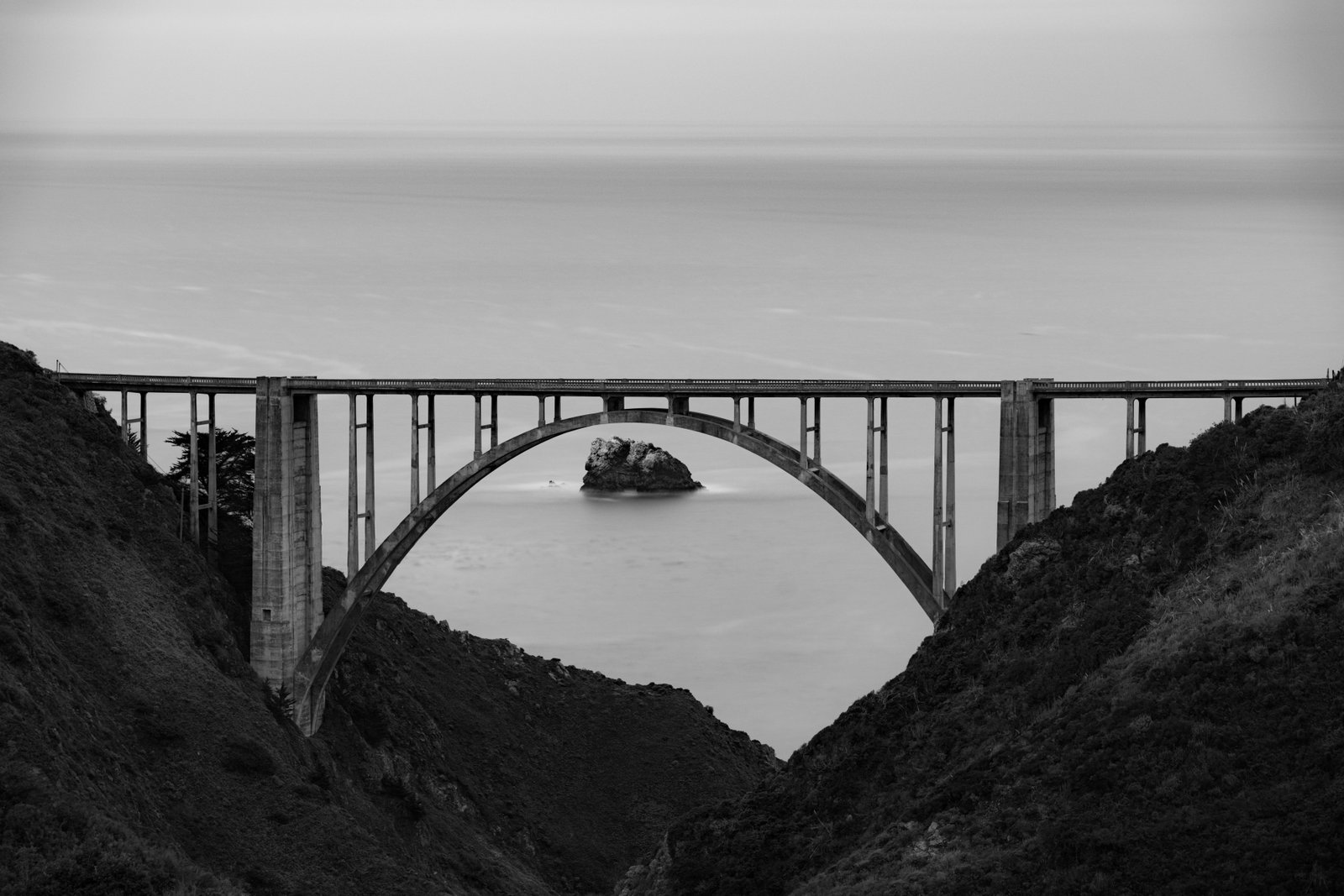

Tensions over the war in Ukraine escalated sharply on Thursday as Putin vowed ‘painful’ retaliation for the Crimea Bridge strike and formally ruled out negotiating a limited ceasefire with Kyiv. Speaking to reporters in Shenzhen, China, immediately after holding rare three-way talks with U.S. President Donald Trump and Chinese President Xi Jinping, Russian President Vladimir Putin said he had recently asked Russia’s Security Council to review proposals for a limited maritime or energy ceasefire. However, following a week of repeated Ukrainian missile and drone strikes against the 12-mile Kerch Bridge, the flagship crossing linking mainland Russia to occupied Crimea that Putin personally inaugurated in 2018, the Russian leader declared that Moscow will refuse truce talks and instead deliver a response “far more painful” than the damage inflicted on the bridge.
Bridge Attacks Derail Limited Truce
Putin’s remarks marked his first public comments on the week’s three separate strikes against the Crimean crossing, which collapsed a central road span earlier in the week and disrupted rail traffic overnight into Thursday before Russian crews moved to restore train service. Insisting without independent verification that the bridge serves “exclusively civilian purposes” and pledging to rebuild it, Putin argued that Moscow will not enter partial agreements covering Black Sea shipping or energy infrastructure while its crossings are under attack.
Meanwhile, Ukrainian President Volodymyr Zelenskyy countered that Russia routinely strikes Ukrainian civilian infrastructure and bridges, including attacks this week on Kyiv’s Northern and Southern bridges over the Dnipro River, while rejecting every Ukrainian offer for mutual de-escalation.
Parallel Diplomacy in China and Europe Yields No Breakthrough
The fierce statement reveals the divide between superpower show in Asia and grinding battlefield reality in Europe.
While Trump greeted Putin warmly as “my friend” ahead of their bilateral meeting and joined Xi and Putin for Thursday’s historic three-way summit on the sidelines of APEC, the White House readout was sparse and avoided mentioning Ukraine.
Simultaneously, Trump’s son-in-law Jared Kushner and U.S. special envoy Steve Witkoff met in Germany with German Chancellor Friedrich Merz, French President Emmanuel Macron, British Prime Minister Andy Burnham, and other European leaders to discuss a durable peace framework. Merz dismissed the Shenzhen gathering as a mere photo-op, warning that a trilateral summit excluding Ukraine and Europe “will not bring peace”.
With diplomatic tracks fractured and bombardment continuing on both sides, Putin vows ‘painful’ retaliation for Crimea Bridge strike, signaling that Moscow intends to answer battlefield embarrassment with renewed escalation rather than compromise.
My View
Threatening “painful” retaliation because a country defending its own territory struck a military supply bridge built across illegally annexed land turns reality completely upside down.
For nearly five years, Russian forces have pounded Ukrainian cities, power plants, apartment buildings, and bridges around the clock while claiming to want peace. Acting offended when Ukraine strikes back at a prized symbol of occupation and using that strike as a convenient excuse to walk away from energy or maritime ceasefire talks shows the Kremlin was never serious about de-escalation in the first place.
Meanwhile, treating an aggressor like an honored guest at international summits only encourages more defiance. Lasting peace will never come from threats of heavier bombardment or closed-door superpower shows; it will only begin when Russia stops attacking its neighbor and respects sovereign borders.