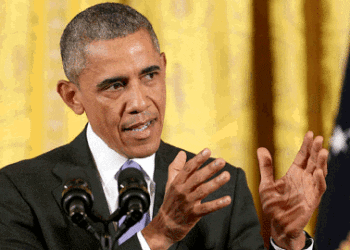
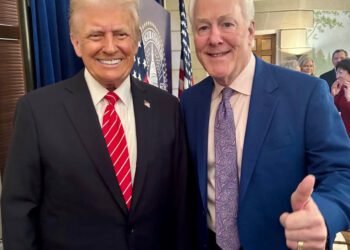
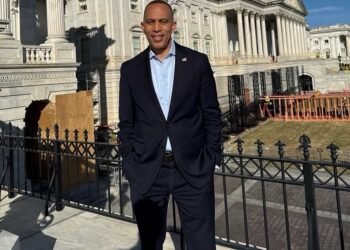
After a string of agonizingly close finishes across the Sunshine State this month, political strategists are asking one sharp question: is Florida still winnable, or did Democrats quit? Following years of Republican dominance that led national Democratic donors and campaign committees to largely write off the former premier battleground, the November 3, 2026 midterm elections delivered a jarring surprise. While Republicans held onto every statewide executive office and the U.S. Senate seat, razor-thin margins in both congressional and statewide races, combined with major Democratic gains in the state legislature, have caused frustration among Florida Democrats who argue that meaningful national funding could have turned near-misses into major upsets.
Razor-Thin Defeats and a Broken GOP Supermajority
In South Florida’s 26th Congressional District, veteran Republican Rep. Mario Diaz-Balart needed six days after Election Day to claim victory over Democratic challenger Nicole Locklin by less than a single percentage point, 49.9% to 49.1% a dramatic collapse from his nearly 71% landslide two years earlier. Nearby in District 27, Republican Rep. Maria Elvira Salazar also survived a tight contest that initially hovered near automatic recount territory, even as national party committees kept their checkbooks largely closed.
Statewide results told a remarkably similar story of narrow margins despite massive spending disadvantages.
Republican Byron Donalds defeated Democrat David Jolly in the race to succeed Gov. Ron DeSantis by roughly 1 percentage point, while Republican candidates held the attorney general, chief financial officer, and agriculture commissioner seats by around 2 points each. Meanwhile, appointed Republican Sen. Ashley Moody defeated Democratic challenger Angie Nixon in the U.S. Down the ballot, Democrats gained 16 seats in the Florida House and added a seat in the state Senate, shattering Republicans’ two-thirds supermajority in both chambers and leaving the GOP short of the three-fifths threshold needed to place constitutional amendments on the ballot without Democratic votes.
The Battle Over National Investment Ahead of 2028
Florida Democratic Party Chair Nikki Fried noted that state Democrats rebuilt grassroots infrastructure and broke the GOP supermajority despite being heavily outspent by Republicans. Yet many local operatives lament that national Democratic leaders treated Florida like an afterthought while pouring resources into other states, leaving viable candidates in South Florida and statewide races just a few thousand votes short. As both parties look toward the 2028 presidential cycle, is Florida still winnable, or did Democrats quit? remains the central debate over whether national Democrats will finally reinvest in a state that proved far more competitive than pundits predicted.
My View
Writing off an entire state because of a couple of tough election cycles is one of the laziest habits in modern party politics.
When national strategists decide a state is too expensive or too difficult, they starve local organizers of the very resources needed to register voters, counter misinformation, and close narrow gaps in the final stretch. Florida’s 2026 results proved that voters were frustrated with rising costs, economic uncertainty, and one-party rule, and thousands of communities were ready to listen when candidates showed up.
Elections are rarely lost purely on demographics; more often, they are lost when leaders surrender the map before the votes are even cast. If Democrats want to compete seriously in diverse, fast-growing states, they have to show up consistently rather than treating voters like an optional investment.