Mexican security forces have landed one of their biggest blows against organized crime this year as Mexico captures top FBI-wanted drug kingpin Fausto Isidro Meza-Flores, widely known as “El Chapo Isidro,” during a fierce overnight military raid in the northwestern state of Sinaloa. Announced Saturday morning by Mexico’s National Defense Secretariat, the Friday night operation in the city of Guasave netted Meza-Flores alongside two other senior leaders of his organization after elite troops surrounded a safe house, fought off gunfire and explosives from cartel gunmen, and evacuated the three suspects by air to Mexico City.
Mexican officials confirmed that intelligence shared by the Trump administration assisted in tracking down the fugitive, who carried a U.S. reward of up to $5 million after being added to the FBI’s Ten Most Wanted Fugitives list in February 2025.
Gun Battles, Burning Roadblocks, and Panic in Sinaloa
While authorities hailed the capture as a major security victory, the raid immediately triggered retaliatory chaos across Guasave and nearby highways near Los Mochis. Videos verified from Guasave captured terrifying scenes at Kuroda Park, where players and screaming spectators dropped to the ground and scrambled for cover as heavy gunfire echoed near a professional baseball game.
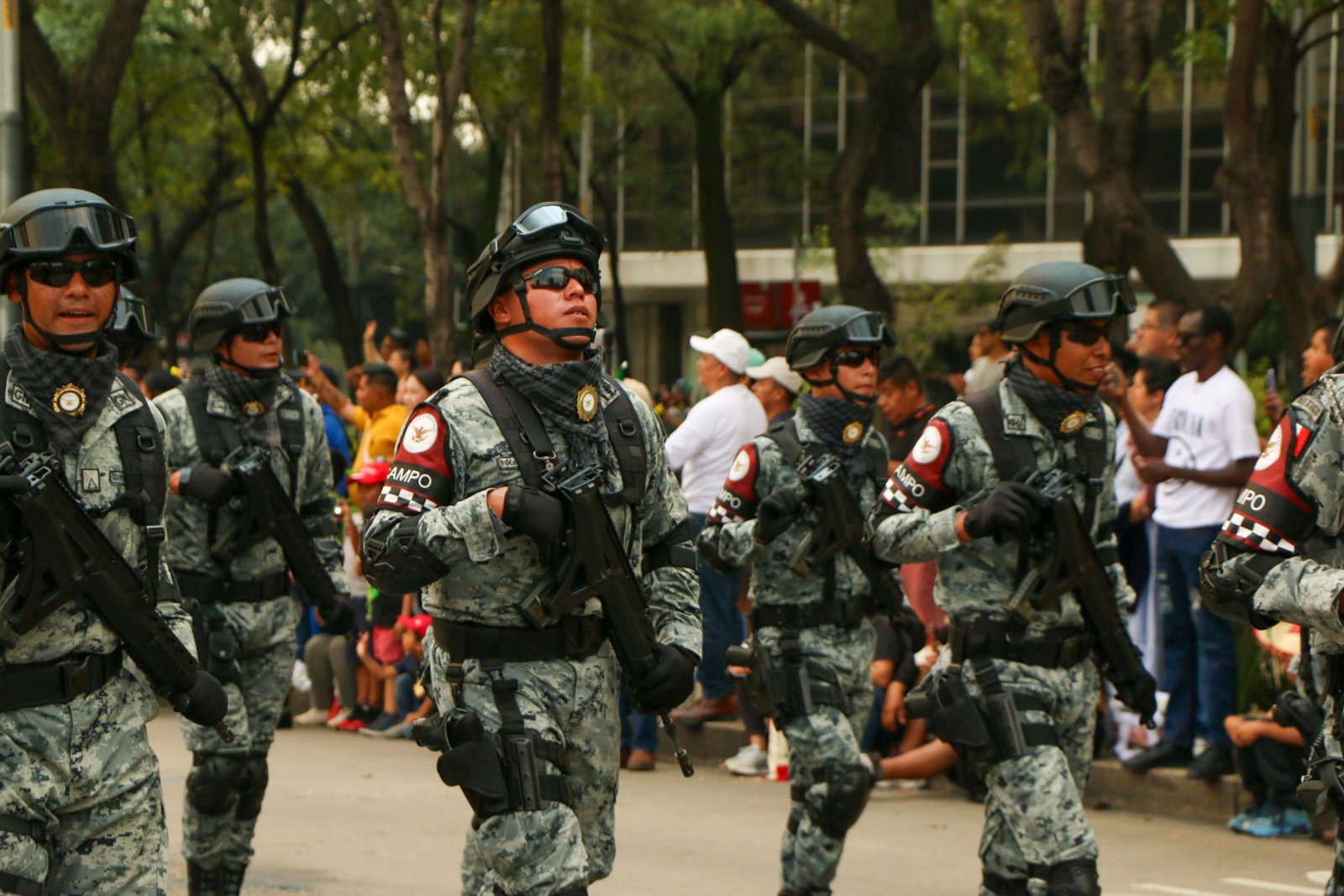
Armed cartel members torched vehicles, threw tire-puncturing spikes onto roadways, and erected blockades across northern Sinaloa to slow military reinforcement. Indicted in the United States in 2012 and again in 2019, Meza-Flores led the heavily armed Meza-Flores Transnational Criminal Organization and formerly climbed the ranks of the Beltrán Leyva Cartel while allying with the “Los Mayos” faction of the Sinaloa Cartel. U.S. prosecutors accuse his network of trafficking massive quantities of fentanyl, heroin, methamphetamine, cocaine, and marijuana into the United States, alongside kidnapping, extortion, and murder in Mexico.
Security Push Under Claudia Sheinbaum
The arrest shows Mexican President Claudia Sheinbaum’s aggressive campaign against major cartel bosses amid sustained pressure from Washington to curb fentanyl trafficking. It follows the February killing of notorious Jalisco cartel leader “El Mencho” and comes as Sinaloa endures a bloody internal turf war between rival cartel factions. On Saturday, Mexican Security Secretary Omar García Harfuch announced that federal troops would remain heavily deployed across Sinaloa to protect residents, calling the arrests a critical step toward restoring peace even as analysts warn of potential power struggles ahead. With another top fugitive behind bars, Mexico captures top FBI-wanted drug kingpin in a joint intelligence breakthrough that tests whether removing cartel leaders can finally bring lasting calm to civilians.
My View
Taking a dangerous cartel boss off the streets is an undeniable tactical win for Mexican troops and cross-border intelligence cooperation, yet families dodging bullets at a Friday night baseball game deserve far more than headline-grabbing arrests.
History across Latin America has shown repeatedly that knocking down one kingpin without dismantling the money pipelines, corrupt local protection networks, and weapons flows behind the cartel often triggers violent succession battles that hit innocent bystanders hardest. Burning cars and blocked highways in Sinaloa prove how deeply armed groups still hold entire communities hostage whenever the state moves in.
Lasting peace requires sustained security on the ground, clean institutions that cannot be bought off, and steady cross-border cooperation that stops both illicit drugs going north and high-powered weapons flowing south.