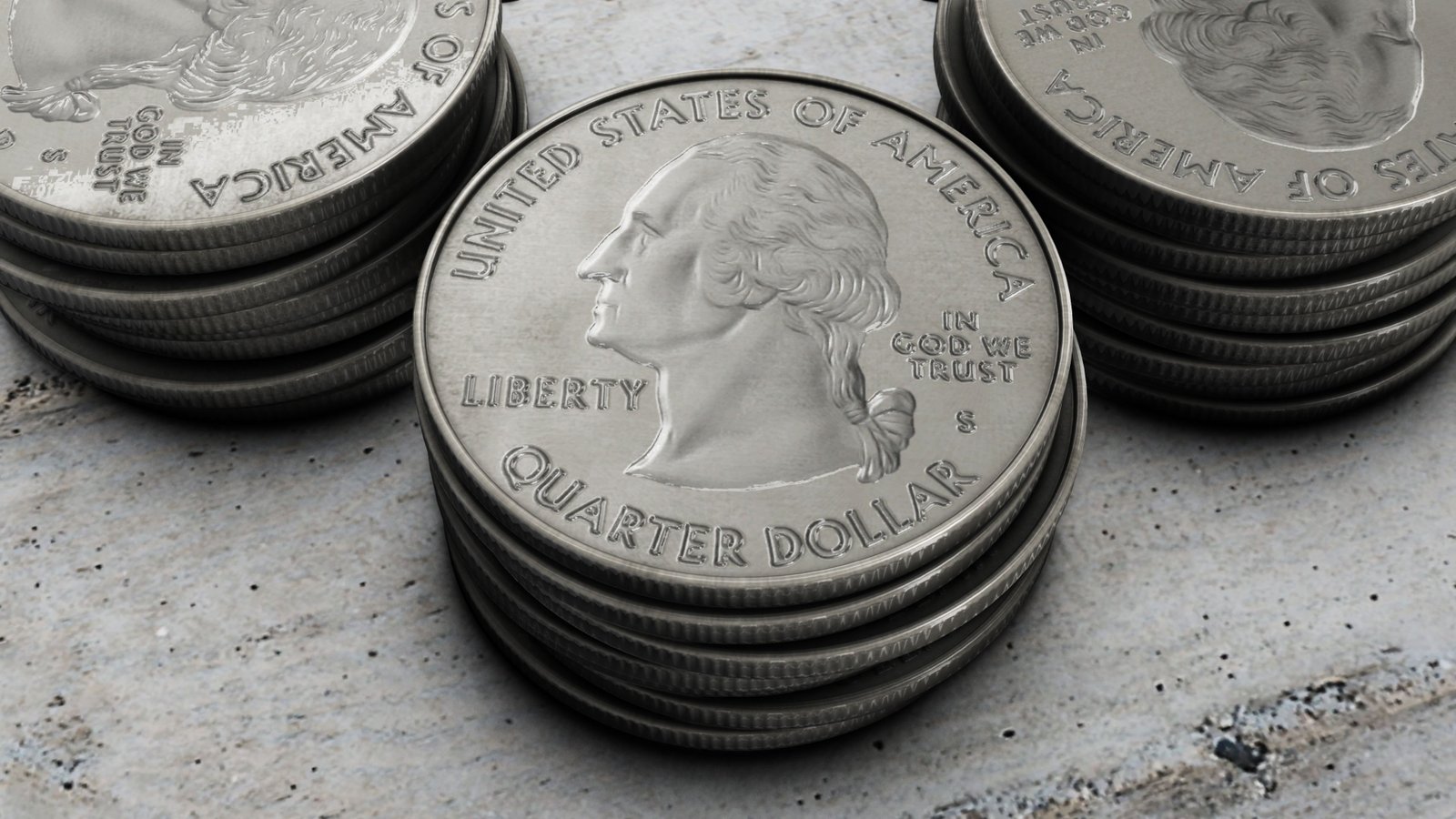

Everyday cash purchases at American stores and gas stations have a new federal rule after Trump signs the Common Cents Act into law on Friday, authorizing businesses to round cash transactions to the nearest five cents as the U.S. penny is phased out of general circulation. Signed by President Donald Trump on November 20, the bipartisan legislation, formally designated as H.R. 10167, directs the U.S. Treasury Department to halt penny production except for limited collector editions and establishes clear national standards for handling cash bills when exact change is unavailable. Prior to the new law, store owners warned they faced a patchwork of state rules and potential lawsuits if they failed to return exact change to customers, even when rounding in a shopper’s favor.
How Cash Rounding Works Under the New Law
The Common Cents Act applies strictly to physical cash transactions when pennies are unavailable, while leaving digital and card payments untouched.
Final after-tax cash totals ending in 1, 2, 6, or 7 cents may be rounded down to the nearest 5-cent increment, meaning a $10.02 cash bill drops to $10.00. Final cash totals ending in 3, 4, 8, or 9 cents may be rounded up, turning a $10.04 purchase into $10.05. Credit cards, debit cards, checks, gift cards, and electronic transfers continue to settle to the exact penny without any rounding. Millions of pennies already in circulation keep their full face value, while the law also permits the U.S. Mint to produce nickels using more cost-effective metal compositions.
Retailers Welcome Clarity After Months of Register Confusion
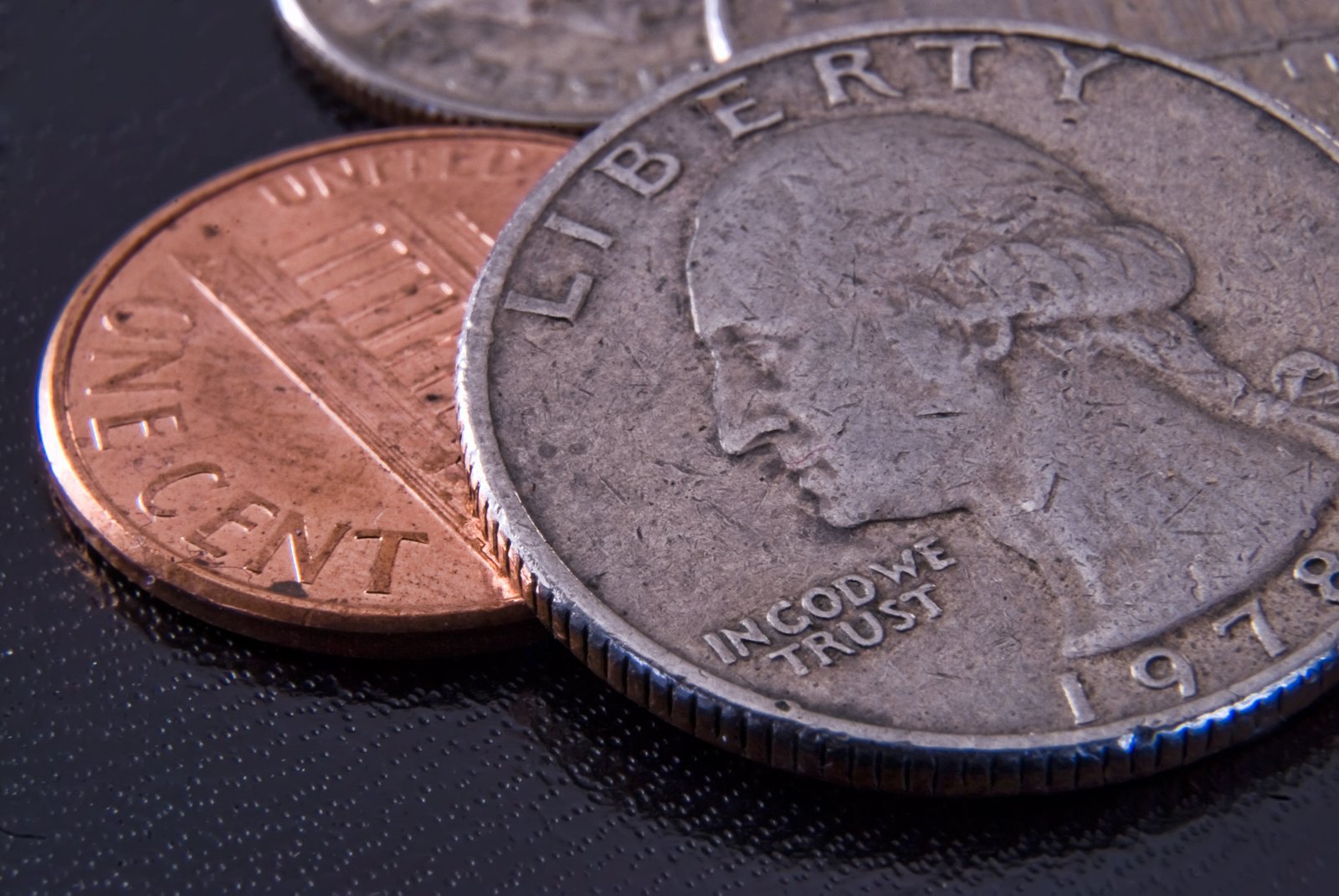
Business associations and convenience store chains quickly praised the signing after months of register headaches following the end of routine penny minting. Brennan Duckett, regulatory and policy director at the National Association of Convenience Stores (NACS), noted that retailers had been waiting for uniform federal guidance since penny production ended, while Kwik Trip CEO Scott Zietlow said every cash checkout in recent months served as a reminder that stores needed clear legal protection. With federal safe-harbor rules now shielding compliant merchants from litigation, Trump signs Common Cents Act into law to bring practical order to the cash register as America moves beyond the one-cent coin.
My View
Minting a one-cent coin that costs nearly four cents to produce and ship has been an expensive habit taxpayers should have dropped years ago.
Nobody enjoys digging through pockets or car cupholders for stray copper coins that barely buy anything in today’s economy, and small businesses should never have to worry about frivolous lawsuits just because cash drawers ran out of pennies. By setting simple, symmetric rules where half the cents round down and half round up while digital payments remain exact, the law solves a real everyday annoyance without hurting shoppers.
Of course, policymakers still need to keep an eye on the nickel next so the government does not simply trade one money-losing coin for another. Even so, updating outdated currency rules to match how people actually shop today is a rare example of U.S. passing practical, common-sense legislation.