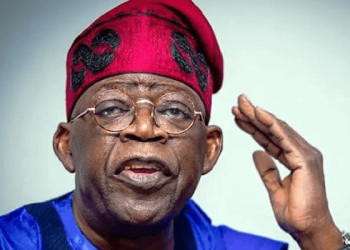

As a result that critics are branding the final death of democracy in one of Africa’s most volatile nations, President Faustin-Archange Touadéra has claimed a crushing third-term “landslide” after an election from which the main opposition was barred, and his rivals are now demanding be annulled.
The 68-year-old former mathematics professor secured 76% of the vote, according to provisional results announced Monday—a towering figure made possible after a constitution he backed in 2023 removed presidential term limits, allowing him to rule indefinitely. His victory follows a campaign centered on security achievements, but it is underpinned by a controversial security force: the powerful Russian mercenary group Wagner.
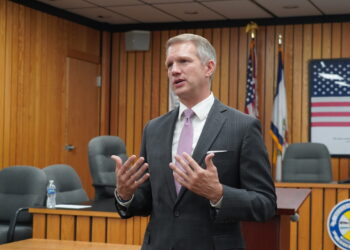
The poll, held on December 28, was marred before a single vote was cast. The primary opposition coalition boycotted, calling the process irredeemably unfair. The two challengers who did participate, former prime ministers Anicet-Georges Dologuélé and Henri-Marie Dondra, have already called for the results to be scrapped.
Dologuélé has alleged “a methodical attempt to manipulate” the outcome, citing widespread irregularities and fraud, claims the government has fiercely denied. The Constitutional Court now has until January 20 to rule on the challenges, but few expect it to overturn a victory engineered by a president who has consolidated power with the help of foreign guns.
Why It Matters
The election cements a profound shift in the CAR’s geopolitics. Since 2013, when rebels ousted the previous president, Touadéra’s government has been propped up by Russian mercenaries and Rwandan soldiers. Analysts say his victory solidifies a Faustian bargain: Russian security in exchange for unfettered access to the nation’s vast riches of gold, diamonds, and uranium.
The Wagner Group, now integrated into the Russian state, was one of the first to establish a foothold here, providing the palace guard that secures Touadéra’s rule in a country where the UN says half the population depends on humanitarian aid to survive.
For President Touadéra, the numbers tell a story of overwhelming public support. For his opponents and international observers, they tell a different tale: of a republic transformed into a personal kingdom, where democratic limits are erased, opponents are sidelined, and the machinery of the state—backed by foreign enforcers—guarantees an eternal “landslide.” The people have spoken, but the real power resides with the strongman and his Kremlin-backed protectors