
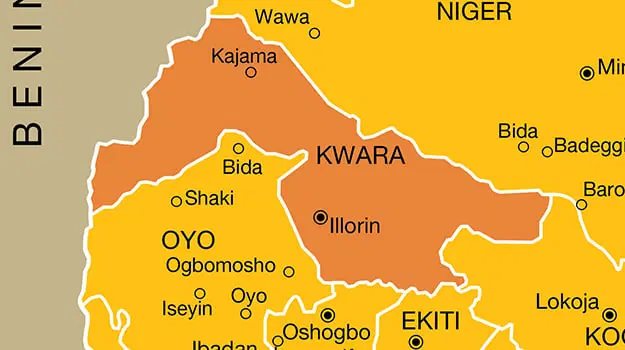
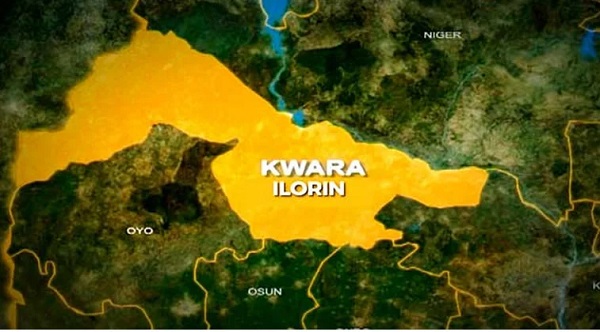
The massacre of over 200 people in Kwara State this week is the direct and predictable result of a security apparatus that has utterly abandoned its citizens, allowing a community to be slaughtered despite receiving warnings for months.
The assault on Woro was not a surprise raid but a catastrophic failure of prevention. Residents report that the Islamic State-affiliated group Lakurawa had been sending threatening letters to the villages for more than five months. These warnings, a desperate cry for protection, were met with a deadly void of state action. A resident’s account to the BBC is harrowing: “We have counted over 200 bodies of our relatives. They were scattered around the mosque, houses… and along major roads.” The attackers, after calling people to prayer, executed them, burned homes, and abducted dozens of women.
A Governor’s Symbolic Sleepover and a Hollow “Operation”
In the wake of the slaughter, the official response has been a study in political theater and empty gestures.
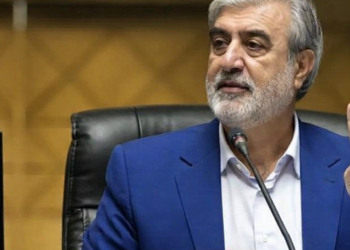
While Kwara Governor AbdulRahman AbdulRazaq’s overnight stay in Woro was a dramatic image, it underscores the reactive, not proactive, nature of the state. He arrived only after the massacre, forced to plead for military aid that should have been there months prior.
The President’s approval of “Operation Savannah Shield” and the deployment of an army battalion is a classic political maneuver—announcing decisive action only after a horrific failure has occurred. For the over 200 dead, this “shield” is a meaningless, posthumous promise.
While the state government now speaks of reopening schools because the “safety situation has improved,” this is a tone-deaf insult to a community still counting its dead and searching for the missing. It is an attempt to hide systemic failure behind a facade of control.
Why It Matters
This massacre is not an isolated incident but a symptom of a nation where the government has ceded its fundamental duty: the monopoly on violence and the protection of its people. Armed groups operate with impunity, expanding into new territories like Kwara, while the state’s security strategy remains fragmented, under-resourced, and reactive.
The death toll of over 200 is a searing indictment. Each body represents a life lost because a system failed at every level. The “State of Harmony” is now a byword for state failure, where citizens are left to negotiate their own survival against terrorists that the government cannot, or will not, stop.