

In a stunning admission that reveals the transactional heart of American diplomacy, Thailand’s foreign minister has declared the previous US-brokered ceasefire with Cambodia was “rushed” to suit President Donald Trump’s travel schedule, as the two nations prepare for a desperate new round of talks to end a border war that has killed 41 and displaced one million.
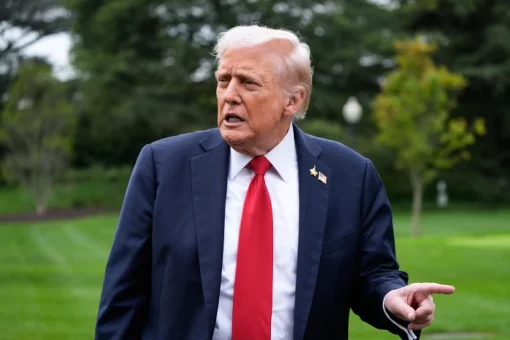
The revelation came at a summit in Malaysia, where top officials from Thailand and Cambodia met face-to-face for the first time since fighting erupted again this month, shattering a truce Trump hailed as “the Kuala Lumpur peace accord” in October. Thailand’s Foreign Minister Sihasak Phuangketkeow said the July deal was signed because “the US wanted the declaration signed in time for Trump’s [visit],” adding, “We were sometimes in a rush.”
Phuangketkeow framed the upcoming December 24 meeting between military officials as a necessary corrective. “Sometimes we really just [need to] sit down, trash things [out]… make sure that the ceasefire reflects… the situation on the ground,” he said. This military meeting is now the prerequisite for any new political agreement, signaling that generals, not diplomats, hold the key to peace.
The conflict, the worst between ASEAN member states since the bloc’s 1967 founding, represents a catastrophic blow to the organization’s credibility. Malaysia’s foreign minister urged ASEAN to give it “our most urgent attention,” warning of “the wider ramifications of the continued escalation.” The failure highlights the bloc’s impotence in managing regional security, a void now being filled by competing superpowers.
The Superpower Mediation Derby: Washington vs. Beijing
As ASEAN flounders, the U.S. and China are engaged in a high-stakes mediation derby, each seeking to claim credit for peace and expand its influence. China’s special envoy for Asian affairs, Deng Xijun, visited Phnom Penh last week, with Beijing pledging to “play a constructive role.” A Chinese foreign ministry spokesperson confirmed Beijing has been mediating “in its own way” and would release information “in due course.”
The U.S., having brokered the failed July ceasefire and the October accord, remains deeply involved. Trump had previously threatened to halt tariff negotiations until hostilities stopped, weaponizing trade to force a diplomatic win. The admission that his ceasefire was “rushed” undermines that victory and exposes the deal as a photo-op rather than a durable peace.
Why These Talks Are a Test for the Entire Region
The December 24 military talks are more than a bilateral meeting; they are a referendum on who can secure Southeast Asia: the established but erratic power of the United States, the rising, strategic influence of China, or the paralyzed consensus of ASEAN itself.
The century-old dispute over the 800km border, which ignited in May and exploded in July with a Cambodian rocket barrage and Thai airstrikes, has now become the region’s most dangerous flashpoint. A successful truce would restore faith in diplomacy. Another failure could trigger a wider conflict, proving that in modern geopolitics, peace is often just an interval between wars, brokered for the convenience of great powers rather than the safety of civilians.