Abdul El-Sayed has secured the Democratic nomination for Michigan’s U.S. Senate race, defeating Representative Haley Stevens in a closely fought primary despite facing a wave of outside spending and backing for his rival from key Democratic figures.
El-Sayed, a former public health official, will now face former Representative Mike Rogers, who emerged as the Republican nominee unopposed. The November contest is expected to rank among the most closely watched Senate races in the United States and could play a decisive role in determining control of the chamber.
The seat is being vacated by Democratic Senator Gary Peters, who opted not to seek re-election and endorsed Stevens during the primary campaign.
El-Sayed’s victory comes after Stevens received support from Michigan Governor Gretchen Whitmer and several prominent Democratic leaders, while his campaign drew endorsements from progressive figures including Senator Bernie Sanders and Representative Alexandria Ocasio-Cortez.
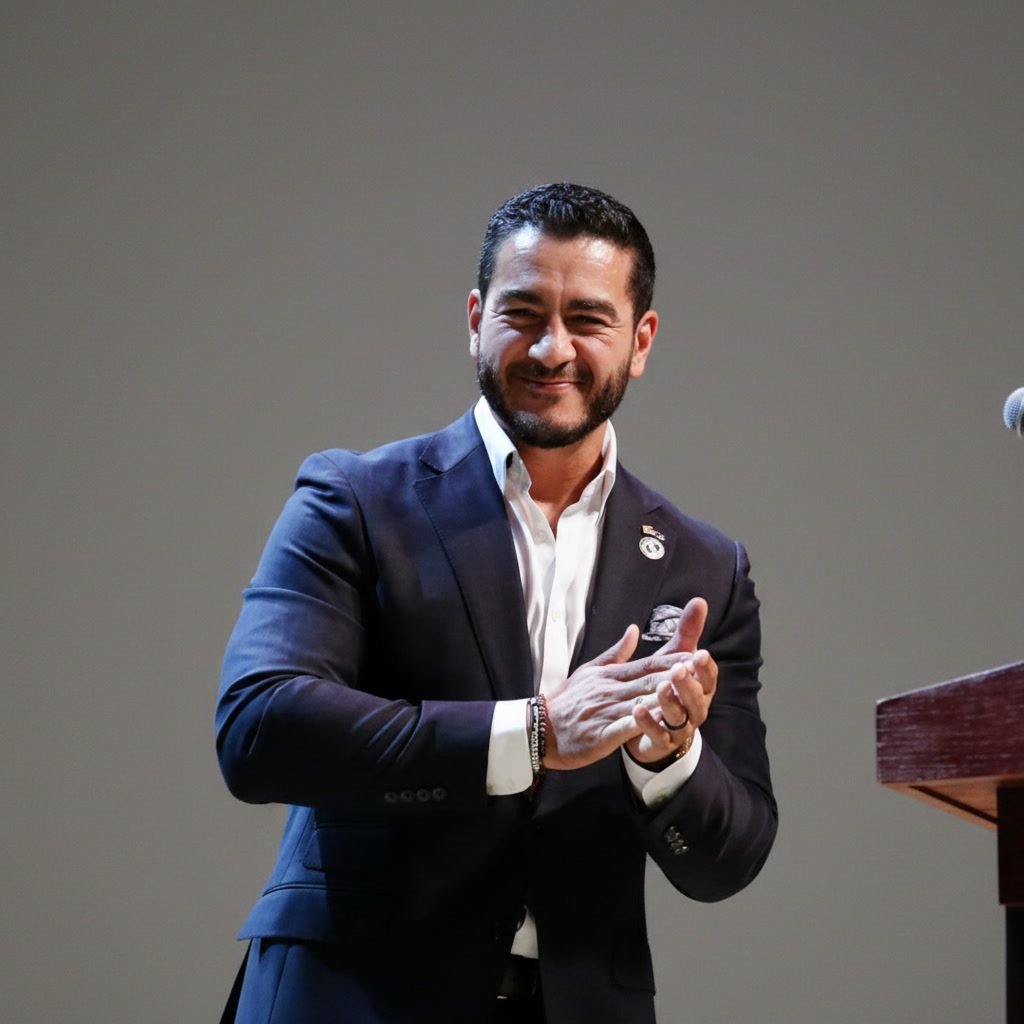
Throughout his campaign, El-Sayed advocated policies such as Medicare for All, criticised the influence of money in politics and challenged Stevens over her support for military aid to Israel. He also accused Israel of committing genocide against Palestinians in Gaza, a position that resonated with some voters in Michigan’s sizeable Muslim and Arab American communities.
Stevens, meanwhile, highlighted her ties to the Democratic establishment, earning endorsements from Whitmer, Peters and Senate Minority Leader Chuck Schumer.
Outside spending became a defining feature of the race, with groups supporting Stevens reportedly investing tens of millions of dollars in advertising, including funding from organisations affiliated with the American Israel Public Affairs Committee (AIPAC). Several of the advertisements criticised El-Sayed, while others promoted Stevens’ candidacy.
Responding to the spending during a debate in Detroit last week, El-Sayed said, “If you need a $60 million crutch, you probably can’t be elected on your own terms.”
His campaign also received support from the United Auto Workers, one of Michigan’s most influential labour unions.
The primary intensified after state Senator Mallory McMorrow withdrew from the race last month. Shortly after El-Sayed’s victory was projected, McMorrow endorsed him and called on Democrats to unite ahead of the general election.
“I’m proud to give Abdul my full endorsement and support as we head to November together as a unified party,” McMorrow said.
“Take it from me — this was a brutal primary. But whatever differences there were between the candidates in this race, those differences are nothing compared to the contrast in November.”
During the campaign, Stevens repeatedly argued that El-Sayed focused too heavily on national political issues instead of matters affecting Michigan residents.
She also addressed criticism directed at her online over her accent and appearance, saying, “These folks are making fun of the way I sound. But yet, I sound like the people who need help, who are talking to me about what they need.”
El-Sayed, however, remained focused on his campaign message, telling voters, “This is about whether or not you deserve a politics of the people, by the people and for the people, or of the corporations, by the billionaires and for the special interests.”
The Michigan Senate race is expected to be a major battleground in November as Democrats seek to regain control of the Senate while Republicans defend their current majority.