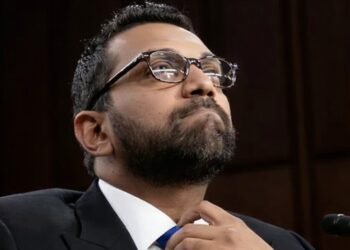
Dr. Abdul El-Sayed pulled off a major political upset on Tuesday by winning the Michigan Democratic Senate primary, defeating four-term Representative Haley Stevens in a battle for the progressive movement. The former state health director overcame roughly $65 million in outside campaign spending backed by establishment Democrats to secure the nomination. El-Sayed will now face Republican candidate Mike Rogers in November for the open Senate seat left by retiring Senator Gary Peters.
How the Michigan Democratic Senate Primary was won
El-Sayed built a grassroots campaign focused on labor support, healthcare access, and corporate accountability to energize voters across the state. Despite Governor Gretchen Whitmer endorsing Stevens late in the race, El-Sayed maintained strong momentum by rallying progressive voters in key urban centers.
National progressive figures including Senator Bernie Sanders and Representative Alexandria Ocasio-Cortez campaigned alongside El-Sayed in Detroit. Stevens conceded the primary on Wednesday morning, offering her full backing to keep the Senate seat in Democratic hands.
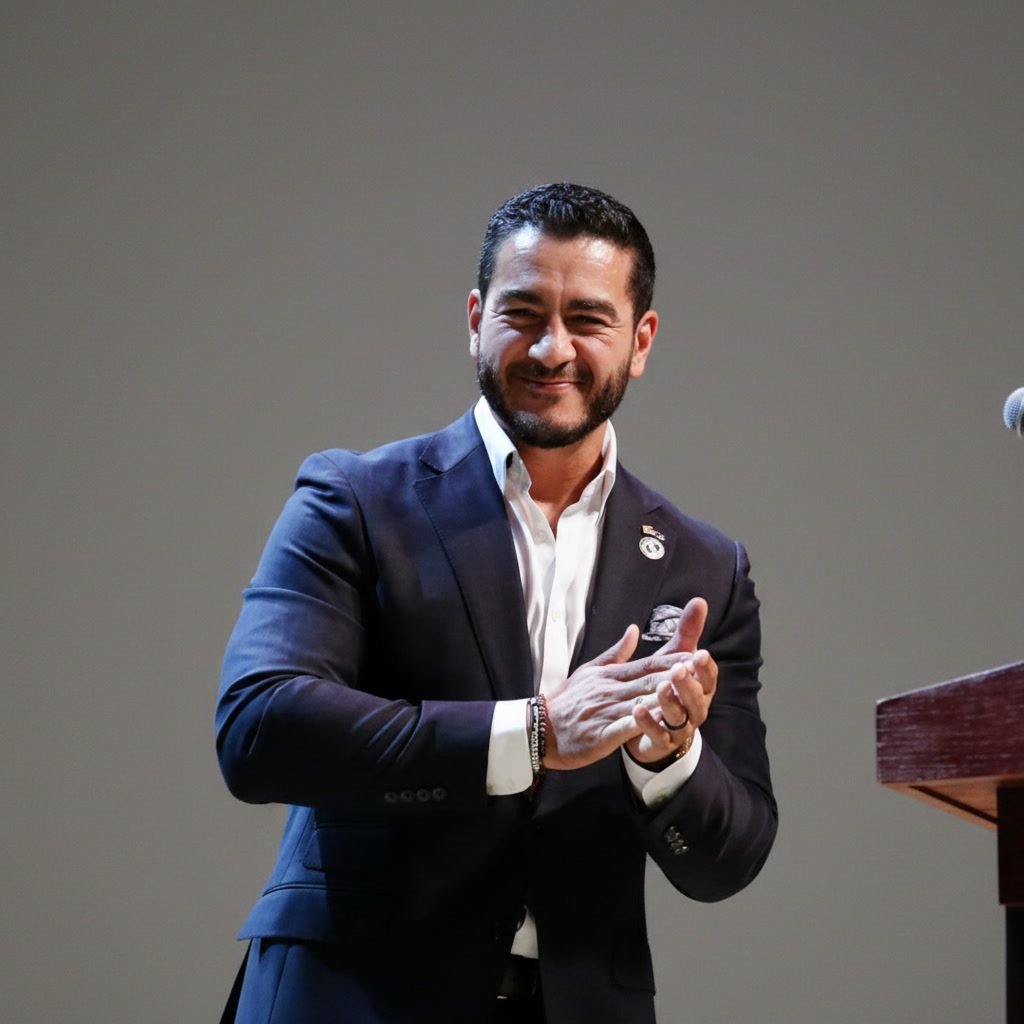
With both primary races settled, attention now shifts to the general election matchup between El-Sayed and Republican Mike Rogers. National party leaders view Michigan as one of the key swing states that will decide control of the United States Senate in the upcoming midterm elections.
Rogers secured the Republican nomination without primary opposition after receiving an early endorsement from Donald Trump. Both campaigns are preparing for an intense autumn strategy focused on manufacturing jobs, middle-class costs, and healthcare policy.
My Opinion
I want to address the point some persons raised regarding fears about religion, Sharia law, and Muslim public officials taking over Western governance. It is important to evaluate political candidates based on constitutional realities and verified policy records rather than fear-based tropes.
First, public officials in the United States swear an oath to uphold the U.S. Constitution, which explicitly guarantees the separation of church and state under the First Amendment. American legal systems operate strictly under civil and constitutional law. The idea that an elected U.S. Senator could impose religious legal codes like Sharia law is legally impossible under the American constitutional framework.
Second, Abdul El-Sayed ran his campaign entirely on progressive secular issues such as Medicare for All, environmental protection, and union labor support. His platform reflects standard left-leaning policy proposals rather than any religious agenda. Treating candidates of minority religious backgrounds as secret threats to Western democracy ignores their actual public service records and statutory duties.
Elections in a democracy should be judged on policy, economic track records, and constitutional commitments. When candidates compete for office, voters win by holding them accountable to civil law and civic duty, not by targeting their faith or background.
Bottom Line
The outcome of the Michigan Democratic Senate primary establishes a great moment for both political parties as campaign season heats up. As El-Sayed and Rogers present their competing visions to Michigan voters, the state remains a central focus of national political strategy heading into November.