
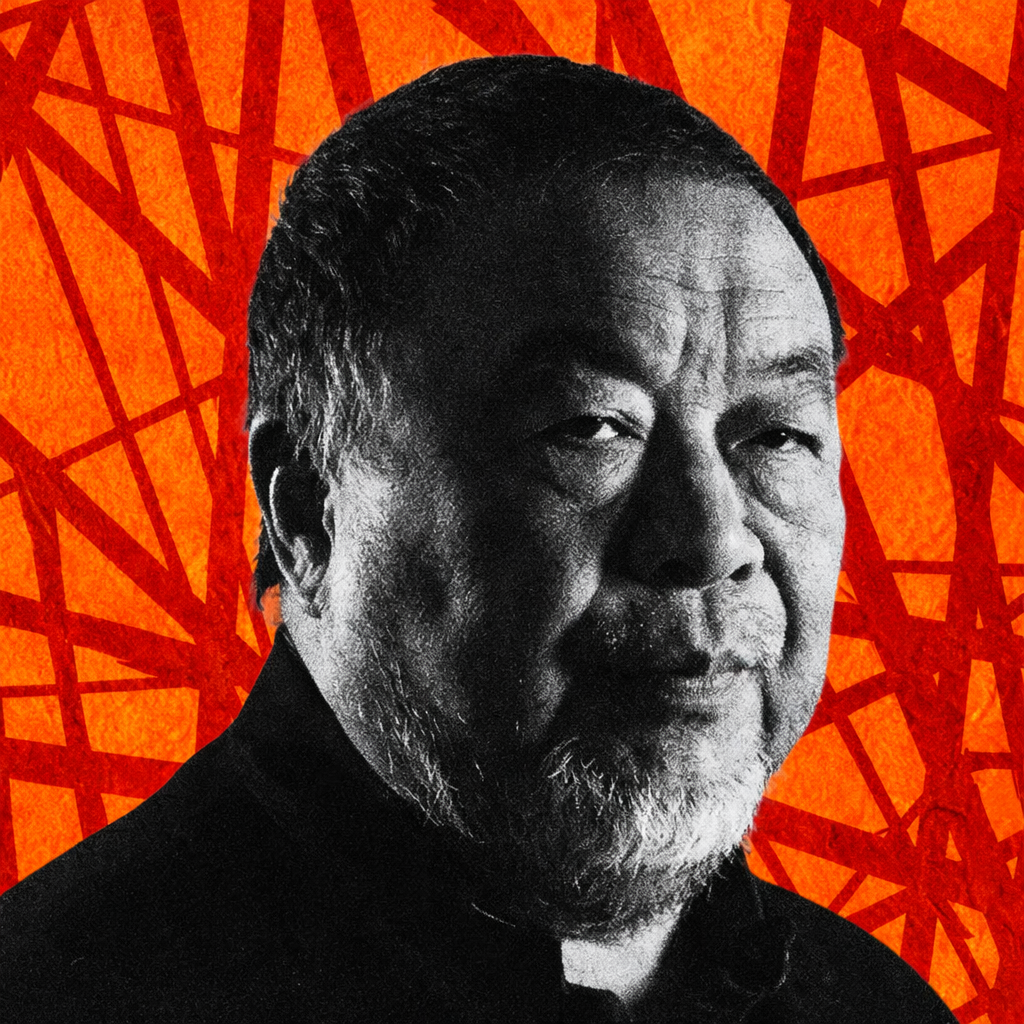
Ai Weiwei has spent most of his life standing up to the Chinese state; he has been detained, silenced, watched, and pushed into exile. That history is what makes his latest words uncomfortable for many in the West. When someone like Ai says the West no longer has the moral ground to lecture China on human rights, it forces a pause.
Speaking from London, Ai did not defend Beijing. He did something more unsettling. He turned the mirror around.
A Critic Who Changed His Mind
For years, Ai Weiwei believed Western leaders should confront China openly on human rights whenever they visited. He said business should not come before basic freedoms. That position made sense, and it matched his life story.
Now he says he has changed his mind completely.
In his view, Western governments no longer have the standing to accuse China of abuse. Not because China has improved, but because the West has failed its own test. Free speech, censorship, treatment of whistleblowers, and political double standards have weakened the West’s voice.
When AI says this, it carries weight. He is not a defender of power. He is someone who has suffered under it.
The Timing is Not Accidental
Ai’s comments come as British Prime Minister Keir Starmer visits China, the first UK leader to do so in eight years. The trip is meant to reset relations, even as concerns over spying and human rights remain.
Officially, Starmer says he will raise difficult issues. Ai believes this kind of talk now sounds hollow. He says Western leaders speaking about freedom and rights in Beijing would look hypocritical, even laughable, given their own records.
Julian Assange and Selective Outrage
Ai pointed directly to the case of Julian Assange. Assange spent years in prison and legal limbo over the release of classified U.S. military files. His eventual release came only after a long plea deal and global pressure.
To Ai, this case shows how thin Western claims to free speech can be when power is challenged. You cannot jail a publisher for years and still present yourself as the world’s moral referee. This comparison stings because it is simple and hard to dismiss.
Censorship does not Stop at China
Ai also spoke about his own experience in the West. One of his exhibitions in London was postponed in 2023 after a social media post about the war in Gaza. For him, this was another reminder that censorship wears different clothes, but still exists.
It may not look like China’s system, but the outcome can feel similar. Silence, pressure, fear of saying the wrong thing.
This is where Ai’s argument hits hardest. If censorship exists on both sides, then the line between “free” and “unfree” becomes blurred.
Business Before Principles
Despite his criticism, Ai called Starmer’s visit to China practical and rational. He understands the reality. China is a major global player, and Britain needs trade.
This honesty is important. Ai is not pretending the world runs on values alone. He is saying the West should stop pretending to. When leaders quietly do business and loudly speak about morals, people notice the gap.
Why This Matters Now
Ai Weiwei saying the West has no moral ground on China is not a gift to Beijing. It is a warning to the West. Moral authority is not permanent. It must be protected by actions, not slogans.
If Western countries want to criticise China, they must first clean their own house. Otherwise, their words will keep losing force. And when even the loudest critic of Beijing starts saying this out loud, it may already be too late to ignore.