Boeing has reported a bigger-than-expected loss for the second quarter of the year, with its delayed Air Force One replacement programme contributing to the weaker performance.
The aircraft manufacturer recorded a $280 million loss on the project to deliver two modified 747 aircraft that will serve as the next-generation presidential planes for the US government. Boeing said the additional cost came as it increased investment in the programme, while maintaining that the first aircraft is still expected to be delivered in 2028.
“While we’re making progress on our development programs, you’re never done until you’re done,” Boeing CEO Kelly Ortberg said in a message to employees.
Speaking on CNBC’s Squawk on the Street, Ortberg said the Air Force One programme has moved beyond the design stage and that the company is increasing resources to ensure it meets its delivery target.
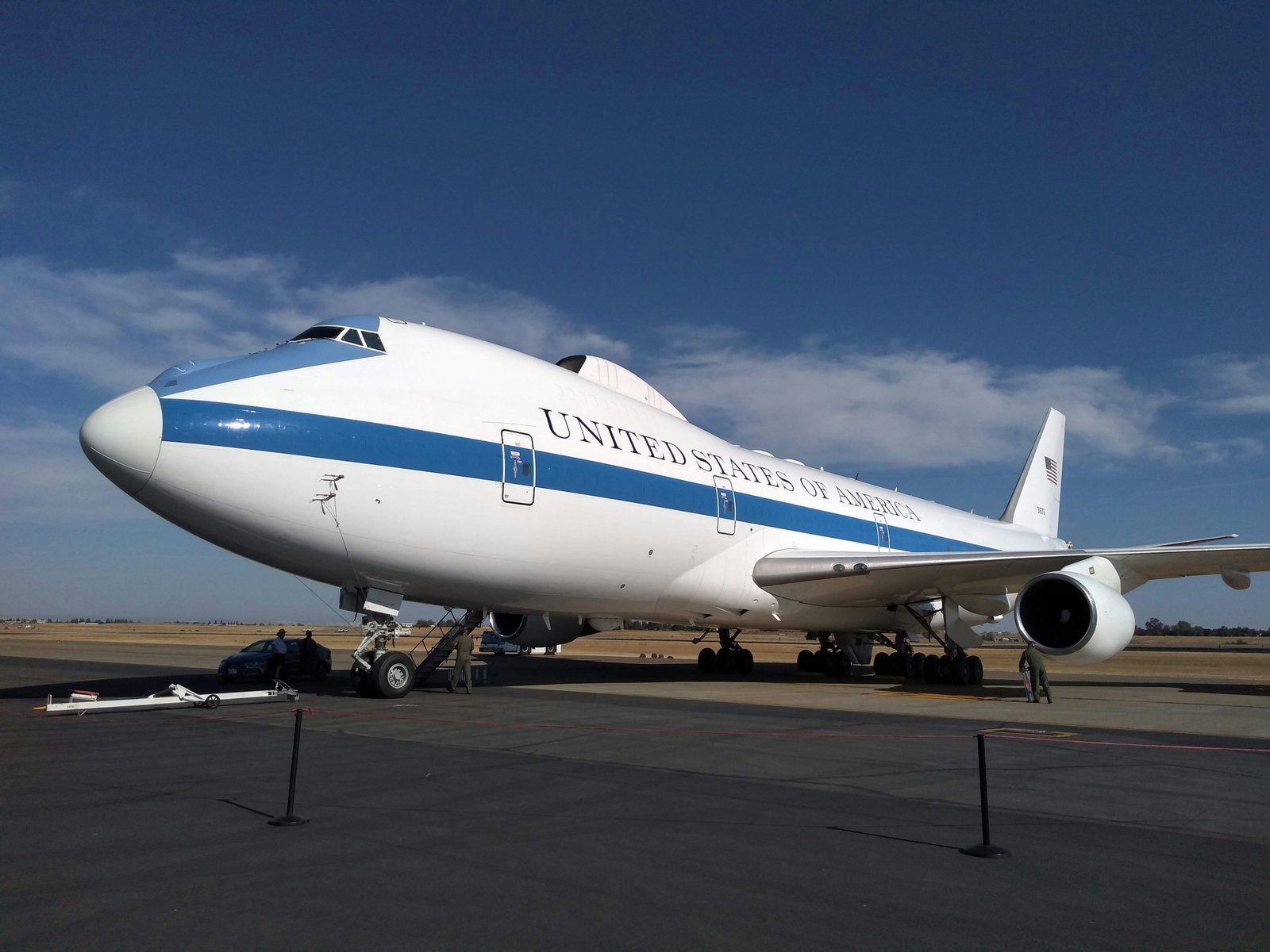
“It’s very important to our customer that we deliver that airplane on time,” he said. “We’re gonna put more resources on to make sure that we do that.”
The development comes after President Donald Trump recently flew on a luxury Boeing 747 donated by Qatar, which was intended to serve as an interim Air Force One while Boeing completes the new aircraft. Reports later raised questions about the security arrangements surrounding the aircraft.
For the second quarter, Boeing posted an adjusted loss per share of 76 cents, compared with Wall Street expectations of a 30-cent loss per share, based on estimates compiled by LSEG.
The company, however, exceeded revenue expectations, reporting $24.56 billion compared with analysts’ projection of $24.25 billion.
Boeing’s revenue increased by 8 per cent from the same period last year, supported by stronger performance across its business units, including higher commercial aircraft deliveries.
Deliveries of the company’s best-selling 737 Max aircraft continued to improve, with production increasing towards a target of 47 planes monthly and further increases planned.
Commercial aircraft deliveries rose 14 per cent year-on-year during the quarter, reaching 171 aircraft compared with 150 in the same period last year.
Boeing also recorded free cash flow of $631 million, significantly better than analysts’ expected cash burn of $177 million and an improvement from the $200 million cash outflow recorded during the same period last year.
The company reported a net loss of $428 million, or 67 cents per share, compared with a loss of $612 million, or 92 cents per share, a year earlier. After adjusting for special items, the loss stood at 76 cents per share.
“While two quarters don’t make a year, if we work together and stay focused on safety, quality and on-time performance — we’ll improve our competitiveness and set ourselves up for a big second half,” Ortberg said.
Boeing’s upcoming priorities include securing certification for delayed aircraft programmes, with the 737 Max 7 expected to be among the next major milestones.
Executives are also expected to face questions from analysts over the certification timeline for the 737 Max 10 and the 777X wide-body aircraft during the company’s earnings call.