

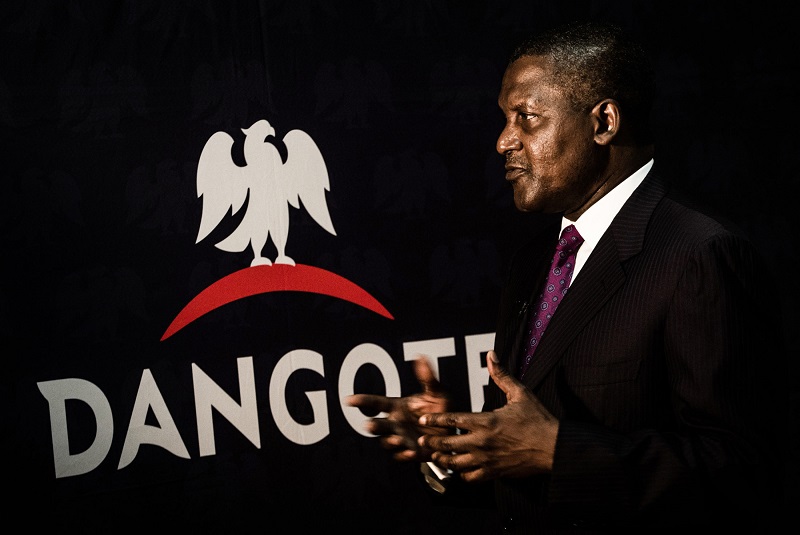
Nigeria’s oil sector is once again under the spotlight as Farouk Ahmed steps down as the Managing Director of the Nigerian Midstream and Downstream Petroleum Regulatory Authority (NMDPRA). This resignation comes amid serious corruption allegations made by Aliko Dangote, a move that has shaken confidence in the leadership of a sector that holds the country’s economic backbone.
Power, Influence, and Accountability
For years, Nigeria’s oil agencies have operated under heavy political and corporate influence, but the incident with Ahmed highlights just how deep these dynamics run. When one of Africa’s richest men publicly challenges the integrity of a regulator, it exposes not just individual failure, but systemic weaknesses in governance and oversight. Nigerians are left asking why the country’s institutions keep letting powerful figures dictate outcomes instead of protecting national interests.
The Exit of Key Players
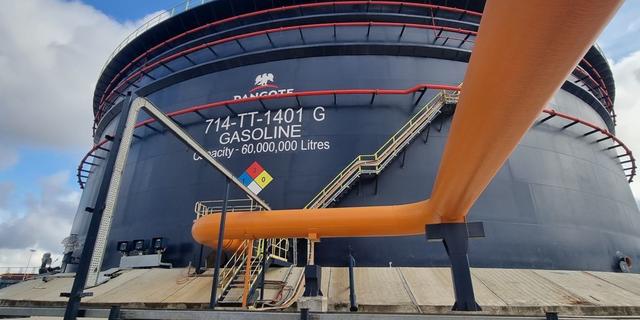
Ahmed is not alone. Gbenga Komolafe, the chief executive of the Nigerian Upstream Petroleum Regulatory Commission (NUPRC), has also resigned. Both departures were quickly followed by President Bola Tinubu sending nominees to the Senate for confirmation—Oritsemeyiwa Eyesan for NUPRC and Saidu Mohammed for NMDPRA. While the government presents them as seasoned professionals, questions remain whether the appointments will be independent or simply serve political and corporate interests.
The Dangote Factor
This saga cannot be separated from the influence of Aliko Dangote. His petition to the ICPC and public denouncement of Ahmed forced the presidency into action.
The oil sector relies on consistent and capable leadership. Repeated reshuffles, public fights, and corruption allegations undermine investor confidence and stall reforms promised under the Petroleum Industry Act. Every time a top official is removed under controversial circumstances, the perception grows that the system is fragile and easily manipulated.