
The personal consumption expenditures price index, the Federal Reserve’s preferred inflation gauge, rose 0.4% in April, putting the 12-month inflation rate at 3.8%. Core inflation — which strips out volatile food and energy prices — rose 0.2% for the month and 3.3% for the year. Both were in line with expectations. Neither is good news for families already stretched thin.
The 12-month level for headline inflation was the highest since May 2023. For core, the annual level was the peak since November 2023. Prices are not coming down. They are leveling off at a rate that still hurts.
And here is the detail that should alarm every policymaker in Washington. Consumer spending increased 0.5% in April, meeting forecasts. But income was flat — against expectations of a 0.4% increase. Americans are spending more money they do not have.
Where is the money coming from? Their savings.
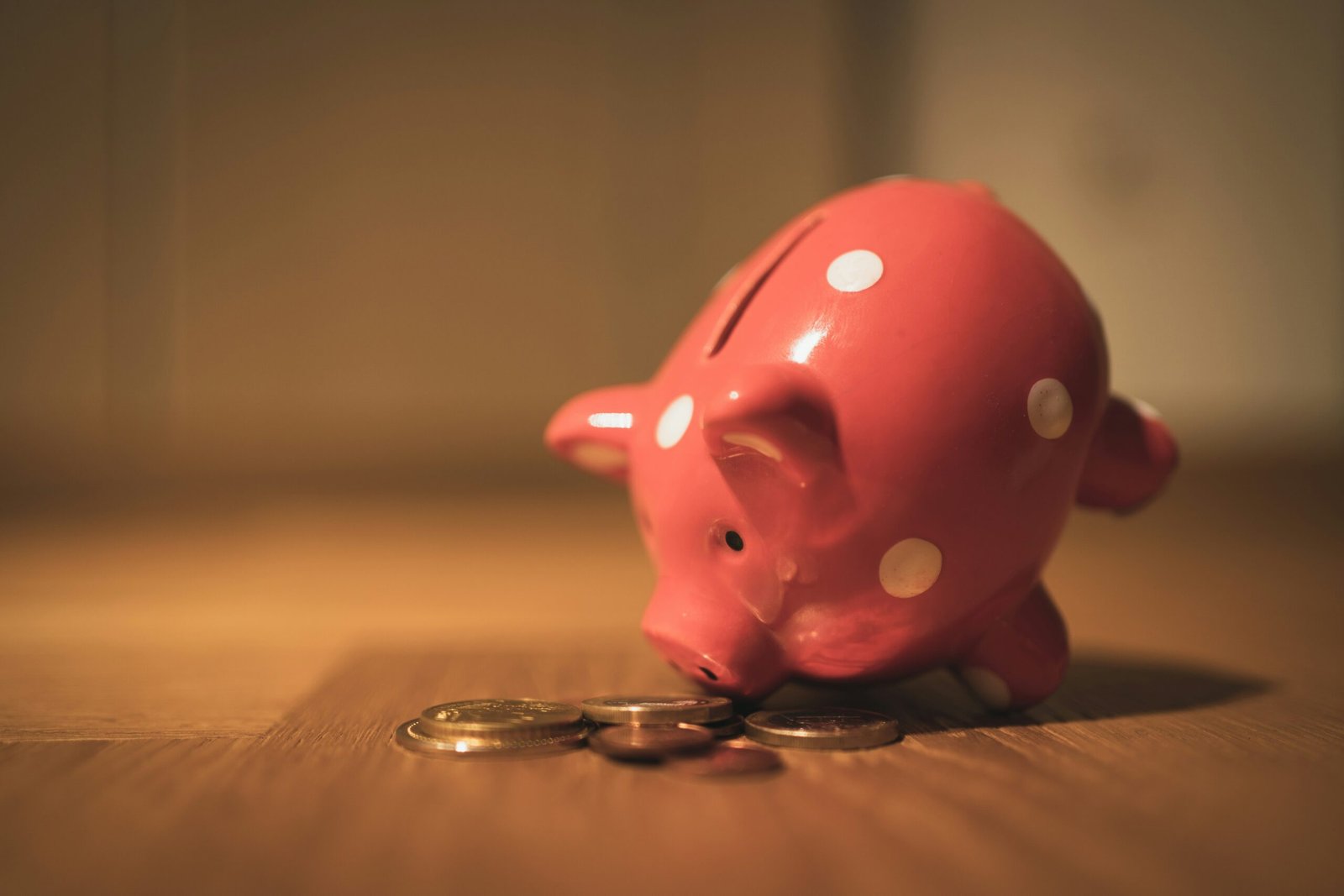
The personal savings rate fell to 2.6% in April, its lowest level since June 2022. That is not a healthy buffer. That is a warning sign.

The Spending-Savings Squeeze
For months, economists have watched consumer spending remain surprisingly resilient. Inflation has been high. Interest rates have been high. But Americans kept buying.
The April data explains how. They are not earning more. They are saving less. And that is not sustainable.
A 2.6% savings rate means families have almost no cushion. An unexpected car repair. A medical bill. A job loss. Any of these could push households over the edge. The spending boom is not a sign of strength. It is a sign of desperation — people spending what they have because prices keep rising.
Much of the spending appears to come from a drawdown in savings. That is not an economic recovery. That is a countdown.
The Fed’s Dilemma
The inflation numbers put the Federal Reserve in a difficult position. Policymakers have been waiting for inflation to cool toward their 2% target. It is not there. Core inflation has been stuck above 3% for months. The Iran war has pushed energy prices higher. Tariffs have added to costs.
The Fed takes in a wide dashboard of indicators, but uses the PCE measures as its prime forecasting and policy tool. Officials generally consider core a better indicator of long-term inflation trends. That core number is 3.3% — more than a full point above the target.
Traders now expect the Fed to stay on hold until at least late 2026. Some are pricing the likelihood that the central bank’s next move will be a rate increase, possibly in early 2027. Rate cuts, which were widely expected earlier this year, are off the table.
New Fed Chair Kevin Warsh has indicated he believes the benchmark rate could be lowered. But he is likely to face opposition from the rest of the Federal Open Market Committee. The inflation danger is too present.
The Growth Slowdown
As if inflation and dwindling savings were not enough, the economy is also slowing. Gross domestic product growth in the first quarter was revised down to an annualized rate of just 1.6%, below the initial estimate of 2%. The Commerce Department said the revision was due to downward revisions to consumer spending and investment.
That combination — slowing growth and persistent inflation — is the worst of both worlds. Stagflation whispers are growing louder.
Initial jobless claims rose slightly to 215,000, above the 213,000 forecast. The labor market is still stable, but softening. One bright spot: orders for long-lasting “durable” goods soared 7.9% in April, well ahead of estimates. But excluding transportation, new orders were up only 1.1%.
The economy is not collapsing. But it is not thriving either.
What’s Getting More Expensive
The April data shows where the pain is most acute. Goods prices jumped 0.7%, pushed again by gasoline, which surged 5.5%. Services prices rose 0.3%, which included a 0.6% acceleration in housing and utilities and a 0.5% increase in food services and accommodations.
Housing prices broadly increased 0.5%, the biggest monthly gain going back at least to January 2025. For renters and homeowners alike, shelter is becoming more expensive by the month.
The only good news? Services excluding food, energy, and housing rose just 0.2% for the month. Underlying pressures may be easing a bit. That is not enough to change the overall picture.
The Bottom Line
Inflation remains stubbornly high. Core PCE prices rose 3.3% annually in April, the peak since November 2023. Consumer spending increased 0.5%, but income was flat. The personal savings rate fell to 2.6%, its lowest level since June 2022. Americans are burning through savings just to maintain their standard of living.
GDP growth was revised down to 1.6% in the first quarter. The Fed is expected to stay on hold, with some traders now pricing a possible rate hike in early 2027. Gasoline jumped 5.5% in April. Housing costs rose 0.5%, the biggest monthly gain in over a year.