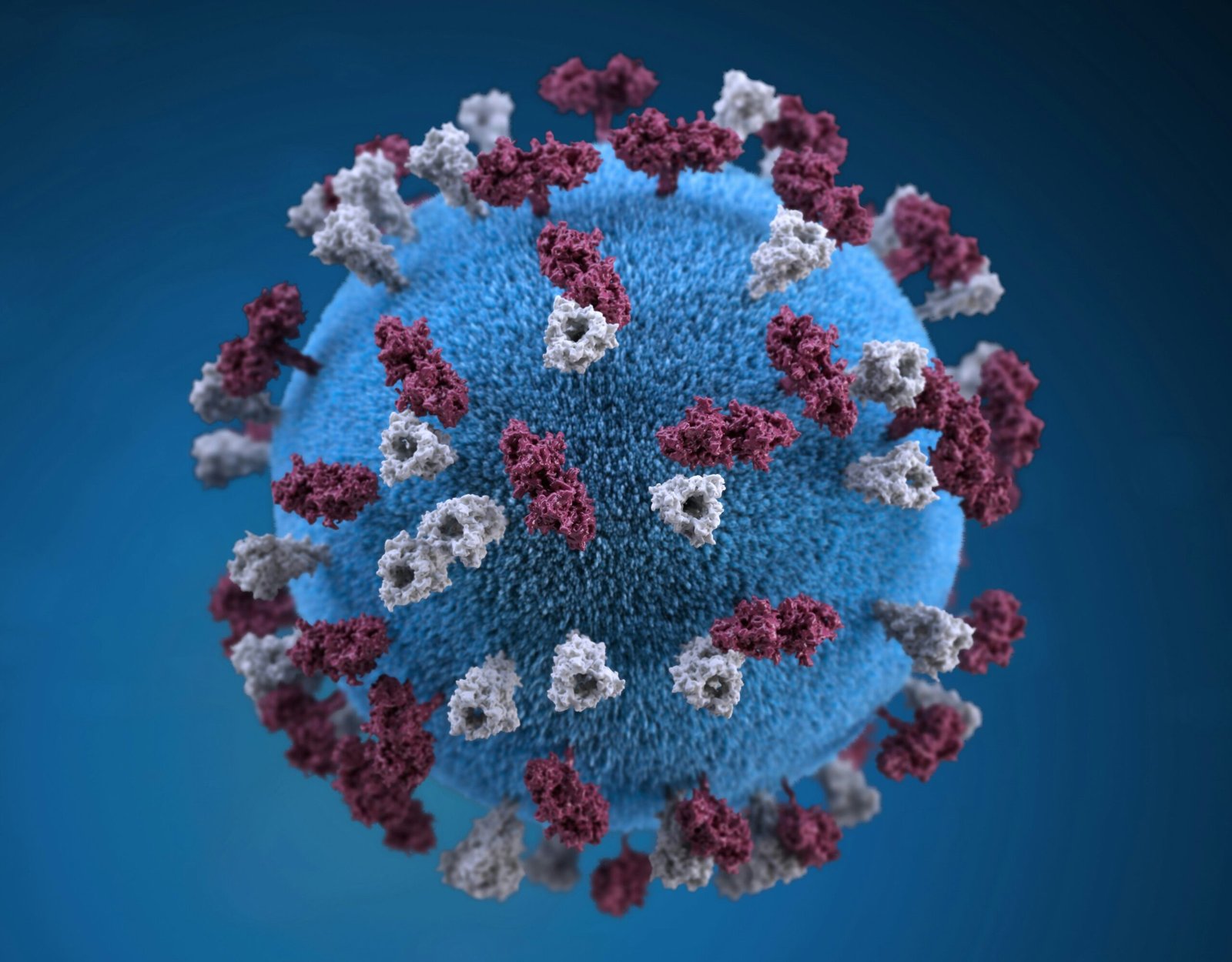

The same rare, rodent-borne virus that killed 11 people in a remote Argentine village in 2018-19 has now emerged on a luxury cruise ship in the middle of the Atlantic. Three passengers are dead. Others are fighting for their lives. And health authorities are racing to contain a pathogen that can spread from person to person.
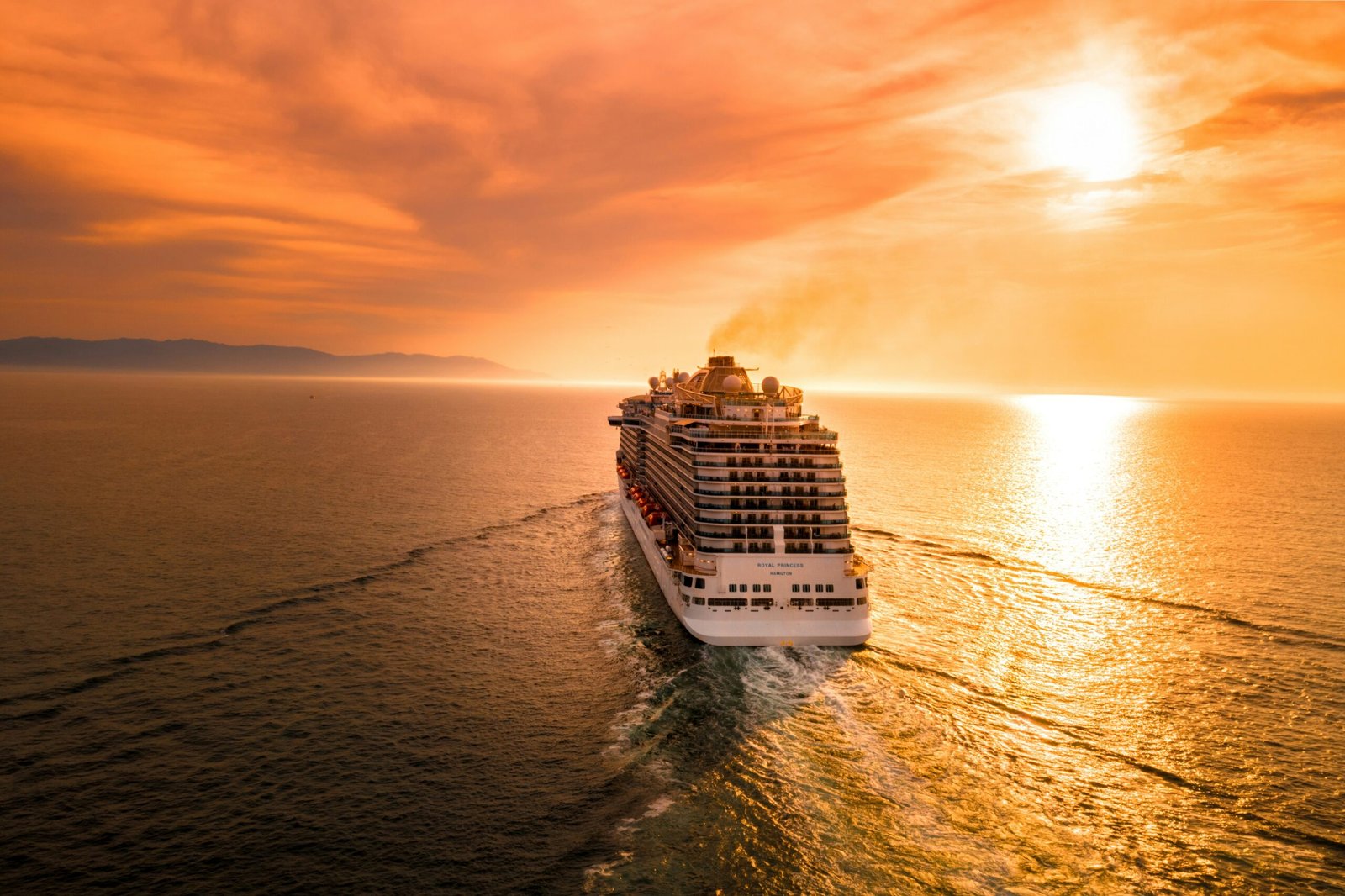
The Andes virus, a strain of hantavirus capable of human-to-human transmission, has been confirmed in passengers aboard the MV Hondius, a Dutch-flagged expedition cruise ship. The vessel departed from Ushuaia, Argentina, on April 1, 2026, for a voyage across the South Atlantic.
By the time the outbreak was detected, the ship had become a floating nightmare.
The Toll So Far
As of May 6, 2026, the World Health Organization has identified eight cases linked to the ship, including three confirmed infections and five suspected cases. Three passengers have died:
· A 70-year-old Dutch man, who died on April 11. His body was removed from the ship on the remote island of St. Helena.
· His 69-year-old Dutch wife, who collapsed at an airport in Johannesburg, South Africa, and died at a hospital on April 26.
· A German woman, who died on May 2.
A British man, 56-year-old Martin Anstee, an expedition guide on the ship, remains in intensive care in a Johannesburg hospital. A Dutch ship doctor and a 65-year-old German passenger were evacuated from the vessel on May 6 and flown to the Netherlands for treatment.
A Swiss man who disembarked from the ship earlier in the voyage has also tested positive for the Andes virus and is receiving treatment in Zurich.
A Virus That Defies Normal Rules
Unlike most hantaviruses, which are typically contracted only through contact with infected rodent droppings, urine, or saliva, the Andes strain has a terrifying additional feature: it can spread between people. The 2018-19 outbreak in Epuyen, Argentina, which killed 11 people, was the first major evidence of this capability. Researchers found that the virus passed from person to person after only brief, close contact — in one case, during a brief exchange on the way to a bathroom.
However, experts emphasize that transmission is not easy. It requires very close physical contact, such as sharing a cabin, a bed, or food. “This is not COVID. This is not even influenza,” Dr. Lucille Blumberg, an infectious disease specialist advising on the outbreak, told CNN. “It’s an unusual person-to-person event, and it might have happened because, perhaps, of a closed environment on a ship.”
The incubation period is long — between one and eight weeks — making it difficult to trace the origin of the infection. Investigators believe a passenger was infected through environmental exposure in Argentina or elsewhere in South America before boarding, then passed it to others through close contact on the ship.
A Ship in Crisis
The MV Hondius, carrying 147 people (86 passengers and 61 crew from 23 countries), has been effectively marooned at sea. After several countries, including Cape Verde, refused to let the ship dock due to public health concerns, Spain agreed on humanitarian grounds to allow it to dock in the Canary Islands.
However, the regional leader of the Canary Islands, Fernando Clavijo, has publicly opposed the decision, stating that the risk to the local population is too great and that the decision was made without sufficient technical criteria or information. The ship is expected to arrive in Tenerife on May 9.
All remaining passengers and crew are currently isolated in their cabins. None are currently showing symptoms. Upon arrival, non-Spanish passengers will be repatriated to their home countries, while 14 Spanish passengers will be quarantined at a military hospital in Madrid.
What Makes the Andes Virus So Dangerous
Hantavirus infection can cause hantavirus pulmonary syndrome (HPS), a severe respiratory disease that can be fatal in up to 40-50% of cases. Patients experience flu-like symptoms that rapidly progress to difficulty breathing, pneumonia, and pulmonary edema. Many require intensive care and mechanical ventilation.
There is no specific treatment, cure, or vaccine for hantavirus infection. Care is supportive, focusing on helping patients breathe and maintaining oxygen levels.
The World Health Organization has classified hantaviruses as “emerging priority pathogens” with high potential to spark international public health emergencies. However, WHO Director-General Tedros Adhanom Ghebreyesus has repeatedly stressed that this outbreak is nothing like the early days of the COVID-19 pandemic, and that the overall public health risk remains low.
“We really have almost no experience with Andean hanta,” Dr. Blumberg told CNN. “This is not Covid. It’s not even influenza.”
The Investigation
Health authorities in Argentina, South Africa, Switzerland, Senegal, and the Netherlands are working with WHO to trace contacts and sequence the virus’s genome to determine if any new mutations have occurred. South Africa’s health ministry has identified 62 contacts, including flight crew and healthcare workers who came into contact with infected passengers after they were evacuated.
Concern has also been raised about 23 passengers who disembarked the ship on St. Helena on April 23 and have since returned to their home countries, including the United States. American passengers are reportedly being monitored in Georgia, California, and Arizona, though none have shown symptoms.
In Argentina, officials are racing to trace the source of the outbreak, investigating where infected passengers traveled before boarding the ship. The Dutch couple had gone sightseeing in Ushuaia and traveled in Argentina, Uruguay, and Chile. Experts point to climate change as a potential factor in the spread of hantavirus, as warming temperatures expand the range of the rodents that carry the virus.
The Bottom Line
The Andes virus, the same rare strain that killed 11 people in Argentina in 2018-19, has now been confirmed on the MV Hondius cruise ship. Three passengers are dead, several others are in critical condition, and health authorities worldwide are monitoring for further spread. The vessel, carrying nearly 150 people, is en route to the Canary Islands, where it will finally dock on May 9 amidst a political dispute over public safety concerns.
The virus can spread from person to person through very close contact, but experts say the risk to the general public remains low. Argentina, where the voyage began, is working to trace the source of the outbreak. Passengers who disembarked earlier — some of whom have returned to the United States — are being monitored.