A new appeals court ruling has cleared a major path for the controversial Trump USPS mail-in ballot policy to move forward ahead of the upcoming elections. A three-judge panel for the D.C. Circuit Court of Appeals unanimously overturned a lower court’s decision that had blocked the Postal Service from restricting ballot deliveries. Under this new rule, the postal agency plan can stop delivering mail-in and absentee ballots in states that refuse to share their voter lists with the federal government. While the policy still faces separate blocks in nearly two dozen states, this federal legal victory marks a major breakthrough for the administration’s ongoing efforts to reshape voting guidelines.
Why Judges Upheld the Trump USPS
Mail-In Ballot Policy
The three-judge panel decided that the federal government presented a strong case showing its rule was not ready for a full legal challenge yet. Government lawyers successfully argued that the Trump USPS mail-in ballot policy does not break older legal settlements that required the postal service to prioritize election mail.
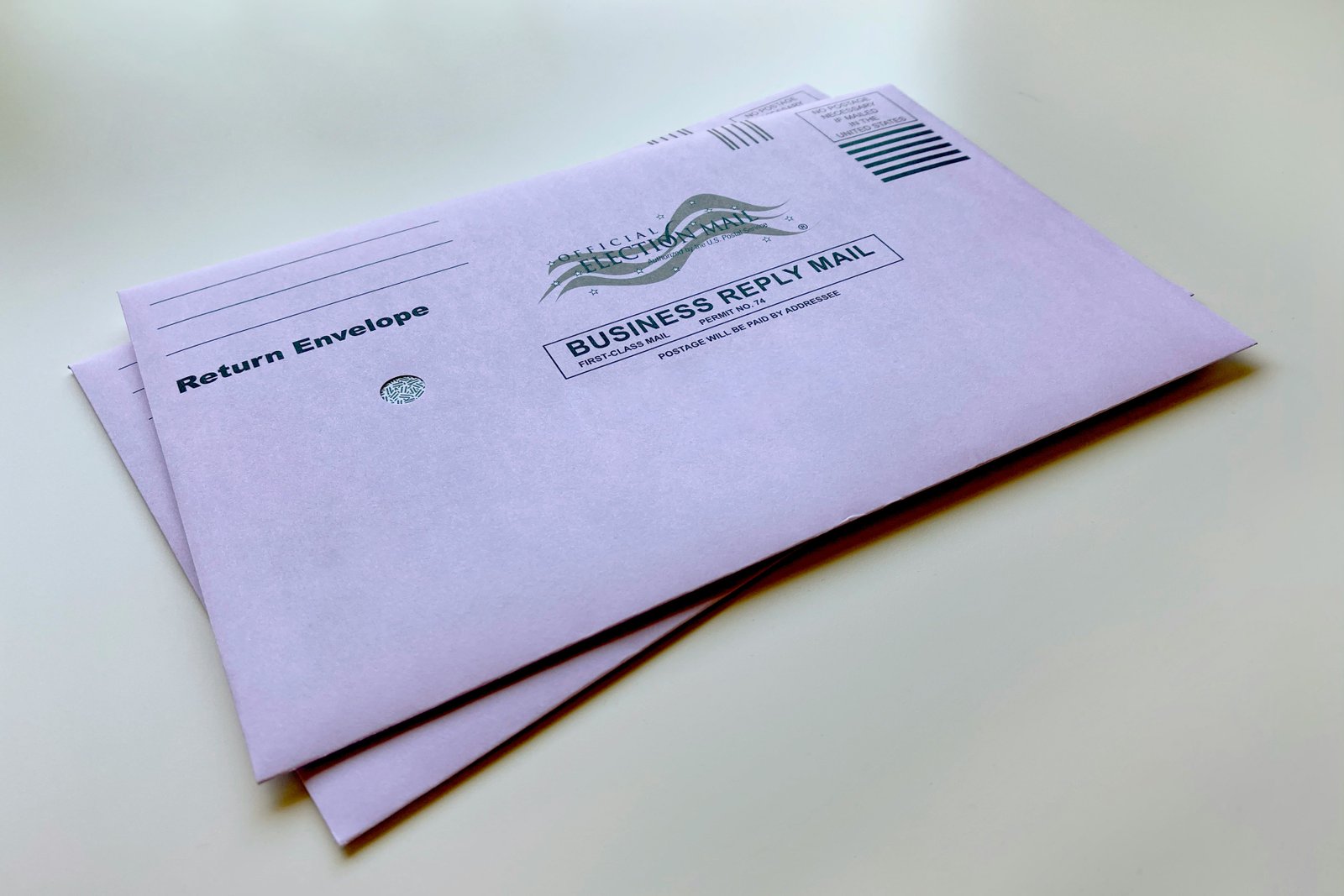
Furthermore, the judges stated that preventing the agency from putting the rules in place right now would cause irreversible harm to the executive branch before voting begins. Postmaster General David Steiner defended the strategy by telling lawmakers that withholding services from non-cooperating states is simply a security measure to make sure the right ballots go to the right people.
The Intense Voter Data Fight with Local States
Civil rights groups and local election officials are fighting back hard against the Trump USPS mail-in ballot policy, calling it a clear attempt to interfere with independent local elections. The NAACP filed the initial lawsuit, arguing that the policy violates long-standing operational promises to protect voting access. Opponents got a temporary boost when a separate federal judge in Boston ruled that the White House cannot infringe on a state’s constitutional power to handle its own voting procedures.
This fierce voter data fight means that while the postal service has won a green light from the appeals court, the rule cannot be fully carried out everywhere until these clashing regional orders are sorted out.
My Opinion
The United States Postal Service is supposed to deliver the mail to every single American household, period. Using the mail trucks that regular people rely on every day to force states into handing over private voter data is a terrifying abuse of federal power.
It is frustrating to see the D.C. Circuit Court hide behind technical language like “ripeness” to let this policy slip through. The administration claims this rule ensures that the right ballots go to the right people, but we all know that is complete nonsense. There is absolutely no credible evidence showing that our mail system suffers from widespread voter fraud. This entire policy is designed to do one thing: create chaos, slow down ballot deliveries, and make it harder for people to vote in states that do not fall in line with the administration’s political demands.
What makes this situation even worse is the midterm election impact this will have on regular citizens. If you live in a state that rightfully protects its citizens’ private information from federal overreach, the government is essentially saying your vote does not deserve to be delivered. The post office belongs to the public, not to whoever happens to be sitting in the White House. Forcing postmen to hold back ballots right before a major national vote is incredibly un-American, and it sets a terrible example for the future of our democracy.
Bottom Line
The split decisions surrounding the Trump USPS mail-in ballot policy ensure that the upcoming election season will be filled with confusion and intense legal battles. By winning this latest round in the federal appeals court, the administration has successfully kept its strict voting restrictions alive. However, because local judges are still fighting to block the rule in dozens of states, voters across the country will have to deal with a messy patchwork of conflicting laws right up until the final ballots are counted.