In a dramatic, emotional response to a massacre that has shocked the nation, Australian Prime Minister Anthony Albanese has declared a new “war on guns,” proposing the most significant crackdown on firearm laws in nearly three decades—a direct challenge to a system that failed to stop a licensed gunman from slaughtering 15 people at Bondi Beach.
The Prime Minister’s pledge, made a day after a father and son opened fire on a Jewish Hanukkah gathering, targets a core weakness exposed by the tragedy: a decade-old gun license and six legally-owned firearms in the hands of a man who committed an act of terror. “People can be radicalised over a period of time, licences should not be in perpetuity,” Albanese declared, vowing to take a radical reform package to an emergency meeting of national leaders.
The Core Proposal: Shattering a “Fit for Purpose” System
The proposed reforms, which could see parliament recalled over the summer to enact them, aim to dismantle a complacent regulatory structure. The central pillars include:
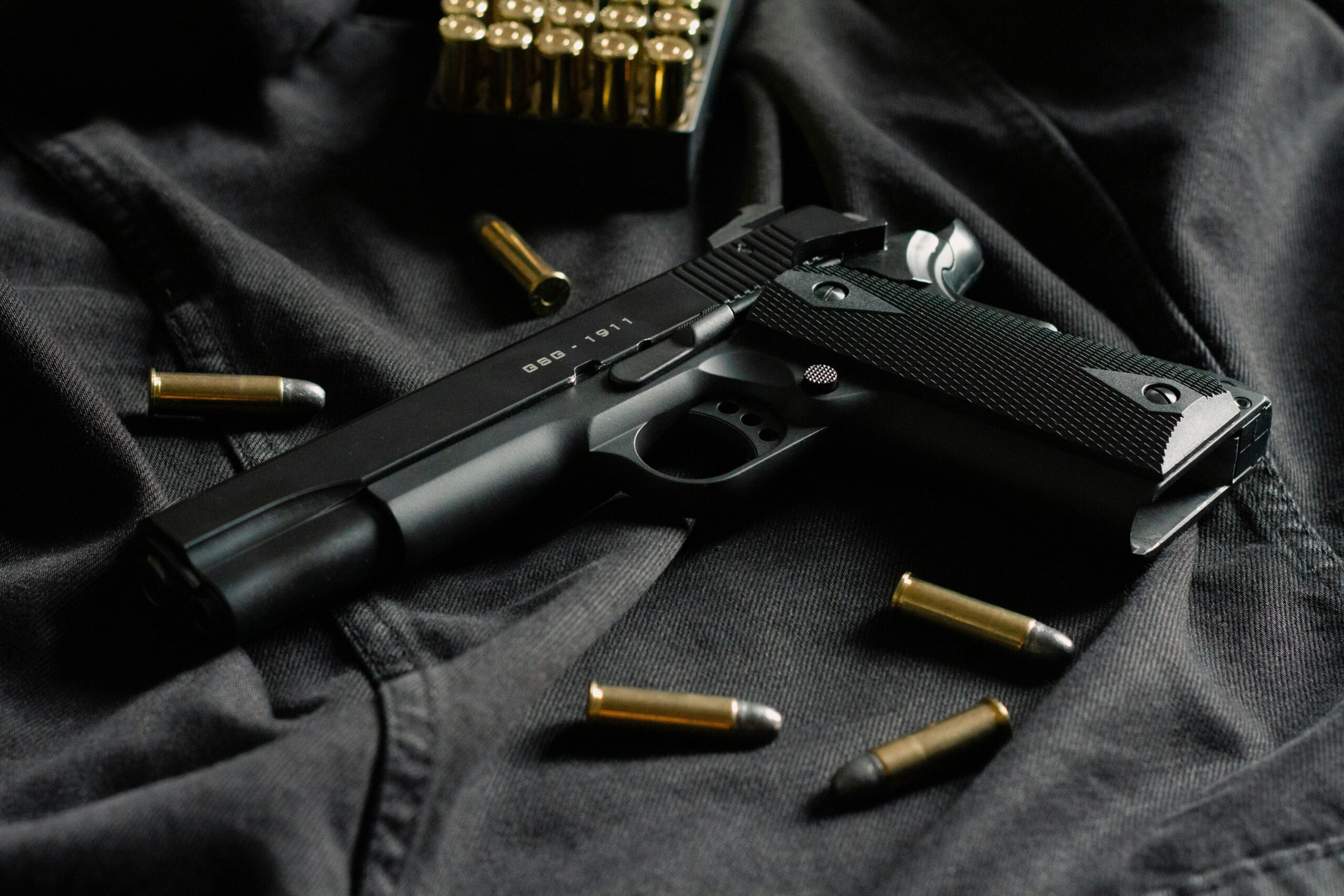
Imposing strict limits on the number of weapons a single individual can own or license, directly responding to the Bondi attacker’s arsenal of six registered guns; Ending the concept of a one-time, permanent gun license. Licenses would be subject to recurring, in-depth reviews to detect changes in an owner’s circumstances or ideology—a critical measure against late-life radicalisation; and a unified National push (a.k.a using the collective power of state and federal governments to close loopholes and create a new, ironclad National Firearms Agreement for the 21st century)
The Ghost of Port Arthur and a System That “Made an Enormous Difference”
The Prime Minister explicitly invoked the legacy of the Port Arthur massacre, which claimed 35 lives and led to Australia’s globally admired gun control framework. He called those laws a “proud moment of reform” that “made an enormous difference.” But the Bondi attack, carried out with legally-held weapons, has proven that the system is now tragically outdated.
New South Wales Premier Chris Minns was even blunter, stating the laws must be updated to ensure “not everybody needs these weapons of mass destruction. You don’t need them on New South Wales streets.”
A Political Truce for Action, But Questions of Failure Linger
In a rare show of unity, the federal opposition immediately pledged to support recalling parliament and passing any necessary laws. “Whatever needs to happen, the opposition will be back in the government to make sure it doesn’t happen again,” said Shadow Home Affairs Minister Jonno Duniam. “Leadership needs to be shown now. We can’t wait another day.”
Yet, this political consensus arises amid uncomfortable questions. NSW Police confirmed the attacker’s license was “regulated” and there were “no incidents” on his record, while reports reveal his son had been examined by intelligence services years earlier over ties to an Islamic State cell. The attack suggests a catastrophic intelligence and regulatory blind spot.
As the nation buries its dead—with the government fast-tracking funeral visas for overseas family members—the political response is clear: Australia’s strict gun laws, once the global gold standard, are no longer strict enough. The Prime Minister has drawn a line in the sand, promising a war not on a foreign enemy, but on the very accessibility of the weapons that turned a Sydney beach into a killing field