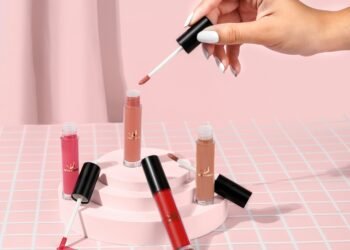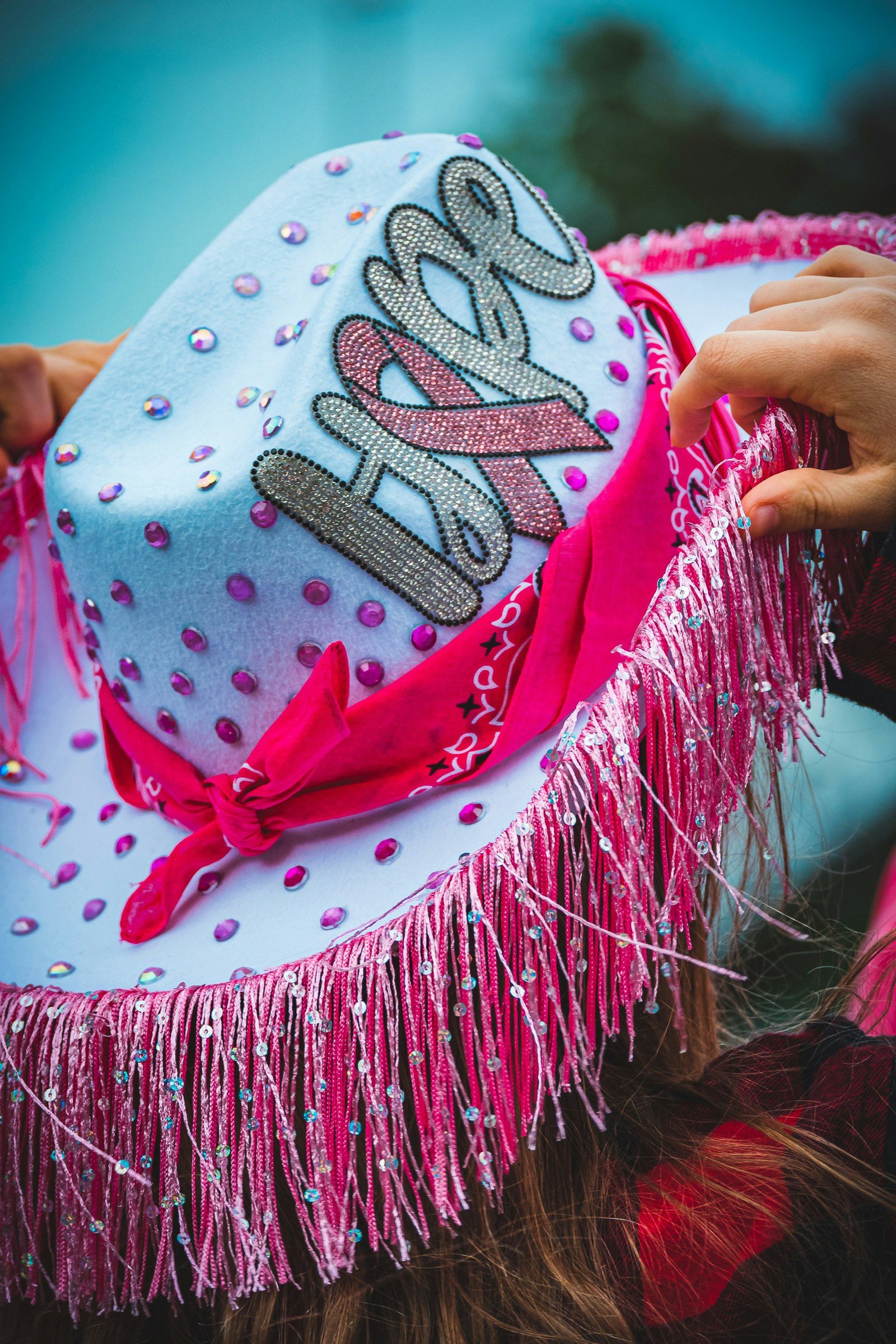

Scroll through TikTok or Instagram this year, and you will run into the same visual: a phone case covered in rhinestones. A water bottle smothered in stickers. A lipstick case wrapped in glitter. A birthday cake dripping with crystals. The aesthetic goes by many names—“bedazzling,” “whimsy-maxxing,” “clutter core,” “sticker bombing”—but the formula is always the same: take a plain object, cover it with small, cheap, decorative pieces, and call it self-expression.
On the surface, it is harmless fun. Playful. Joyful. A rebellion against the beige minimalism that has dominated for too long. But scratch a little deeper, and a different picture emerges: a trend built almost entirely on materials that do not break down, glued to objects that will be discarded within months, destined for a landfill where they will outlast the person who made them.
The Return of the Rhinestone
Bedazzling is not new. In the late ’90s and early 2000s, body gems, rhinestone-encrusted flip phones, and glittery accessories were everywhere—think Paris Hilton, think Euphoria’s glitter tears, think G-Dragon’s stage outfits. It was a maximalist antidote to the minimalism of the ’90s, and it is now making a comeback as a response to the “quiet luxury” and “clean girl” aesthetics that have dominated the 2020s.
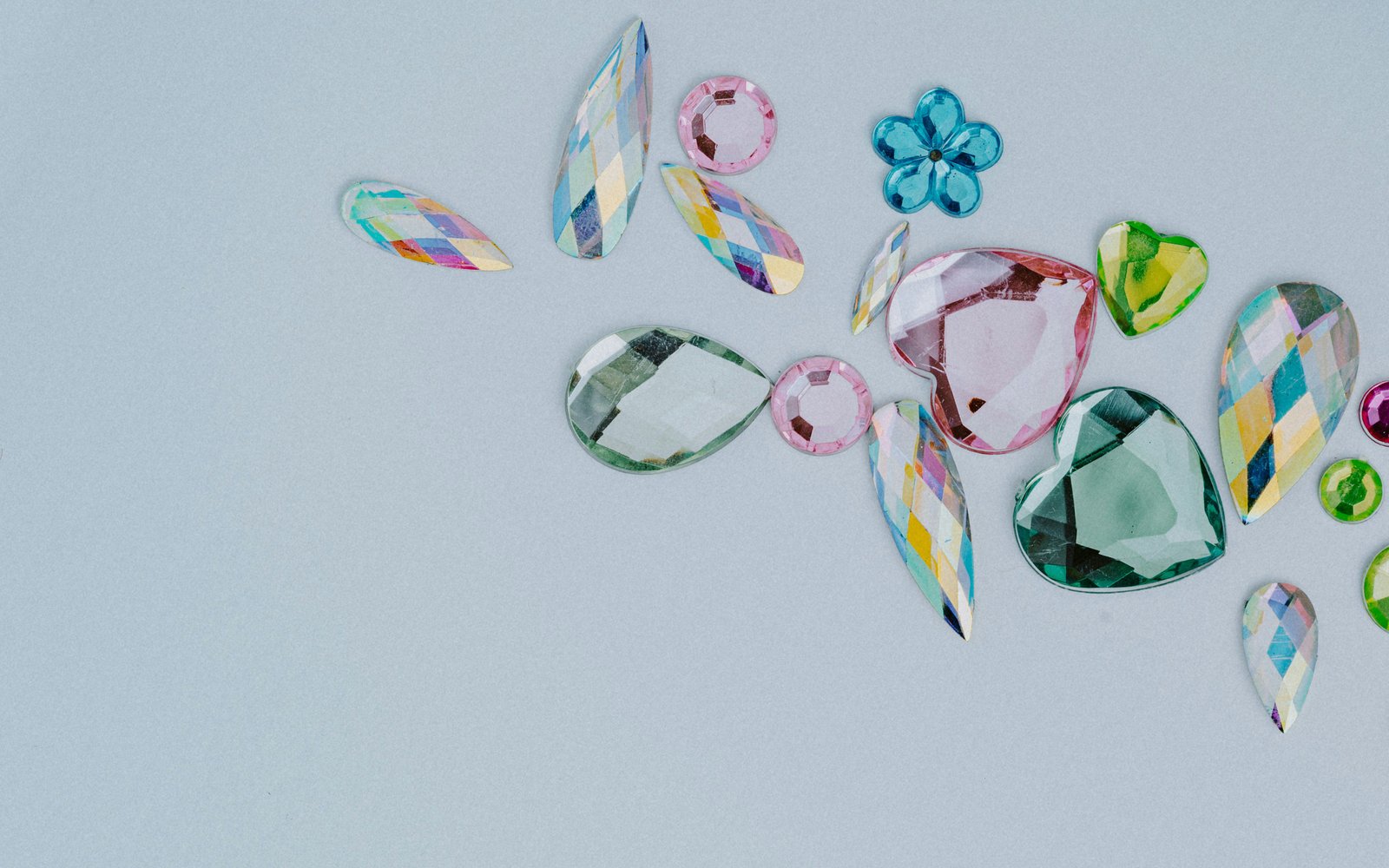
When everyone looks the same—neutral tones, understated silhouettes, “effortless” grooming—individuality becomes invisible. Rhinestones offer the opposite: loud, unapologetic, impossible to ignore. “When ‘premium’ feels increasingly uniform, being unafraid to stand out is becoming the more precious thing,” one trend analysis notes.
The trend has been supercharged by celebrities. Zara Larsson has worn coloured rhinestones across her entire body. Kylie Jenner’s 29th birthday party, featuring a crystal-covered cake and a “Crystal Candy” manicure, sent the internet into a frenzy. Water bottles, tumblers, makeup compacts, sunglasses, laptops, and even sheet masks have all become canvases for gem stickers.
The Whimsy-Maxxing Paradox
The wider movement is called “whimsy-maxxing”—the deliberate introduction of playfulness, imagination, and unexpected joy into everyday life. It is a reaction to a world that feels heavy, a way to reclaim agency through small acts of personalisation.
But there is a tension at the heart of the trend. A 2025 industry survey found that 69% of Gen Z buyers cite sustainability as a reason for choosing reusable products, yet the same demographic is now the primary audience driving a decoration cycle that swaps stickers, beads, and rhinestones every few weeks to keep up with whatever aesthetic is trending that month.
The result is a rolling, low-visibility waste stream. Global plastic production has grown more than seven-fold in the past four decades, to 360 million tons per year, and only around 9% of all plastic ever produced gets recycled. The rest ends up in landfills, incinerators, or the environment, where it eventually breaks down into microplastics now found in drinking water, air, and more than a third of fish caught for human consumption.
Bedazzling materials are particularly problematic. Most decorative stickers are vinyl, a form of PVC chosen for its durability. Charms and beads are usually polymer clay or cast resin, neither of which is recyclable through municipal systems. Rhinestones are glass, acrylic, or leaded crystals, bonded with industrial adhesives like cyanoacrylate or epoxy—engineered specifically to resist water, heat, and wear. The bond frequently outlasts the wearer’s interest in the item.
The mismatch between material lifespan and cultural lifespan is the core issue. A rhinestone bonded with epoxy is designed to last for decades. The phone case it is glued to will likely be redecorated or discarded within a single season. Multiply that by millions of participants doing it several times a year, and a market built on “customisation” starts to look a lot like a market built on waste.
The ‘Sticker Bombing’ Economy
One durable object, endlessly re-skinned, can generate more cumulative plastic waste over a year than a single disposable item ever would. This is not the first time a decoration trend has undercut its own sustainability claims. When Stanley cups became a status symbol in 2024, the contradiction played out at a larger scale: the reusable bottles were meant to reduce single-use plastic, but the accessory economy around them—straw covers, tumbler sleeves, hanging charms—was generating its own plastic waste.
Bedazzling is that same accessory layer. It turns a single purchase into a recurring expense, encouraging users to buy rhinestone sheets, gem stickers, and glue kits repeatedly. It is an economy built on the idea that personalisation is a continuous process, not a destination.
The Counter-Trend: Upcycling as an Alternative
Not all decoration trends are wasteful. On the other side of the spectrum, a quieter movement is gaining traction: upcycling vintage fabrics. A 2026 book, Sew Nostalgic!, teaches readers how to transform childhood bedsheets—think Winnie-the-Pooh, The Little Mermaid, Star Wars—into bespoke garments, from babydoll dresses to puffer jackets. Similarly, a Delhi-based content creator turned a 20-kilogram hand-embroidered bedsheet from a local market into a stunning lehenga, redefining sustainability in Indian fashion.
These projects have the same playful, nostalgic energy as bedazzling, but they use materials that already exist, rather than adding more plastic to the world.
The Bottom Line

Bedazzling and whimsy-maxxing are not wrong. They are expressions of joy, creativity, and a desire to stand out in a world that pressures us to conform. But they are also expressions of a deeper cultural habit: treating personalisation as consumption, and treating consumption as identity.
The rhinestones will not go away. The stickers will keep appearing. But it is worth asking: What are we really gluing onto our lives? And where will it be when we are done with it?