

Your lip oil, your lipstick, and your lip gloss are not interchangeable. They’re tools, and like any tools, they have specific jobs
Using the wrong one at the wrong time is how you end up with lips that become very dehydrated and begging for moisture or sliding off your face by the fifth hour of application.
Here’s all you need to know
Lip Oil: The Prep Step You’ve Been Skipping
Lip oil is the new kid on the block, and it’s confused a lot of people. It looks like gloss, feels like gloss, but it doesn’t behave like gloss.
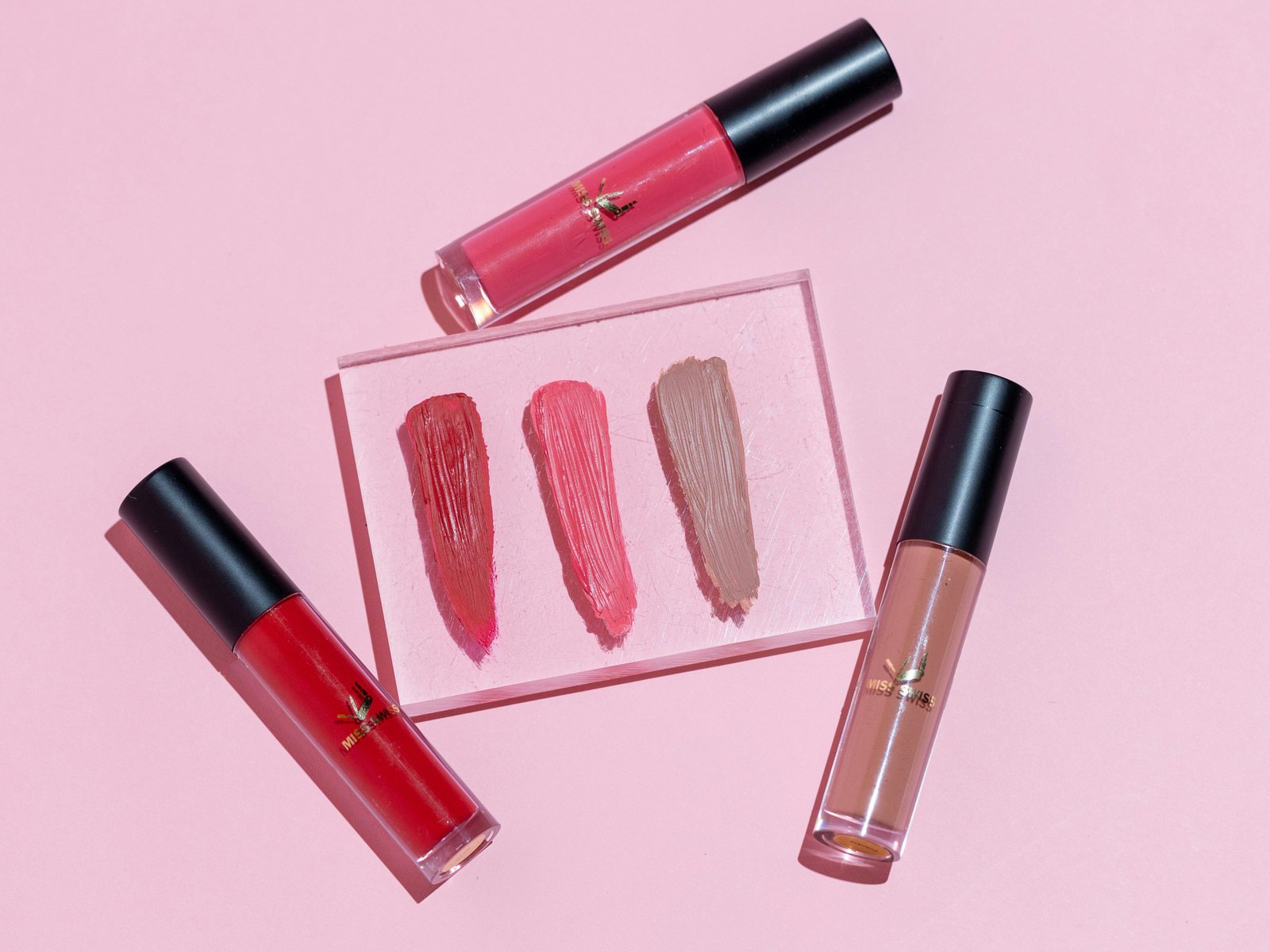
The difference, though, is that lip oil absorbs into your lips while lip gloss sits on top of them.
That distinction matters. A lip oil is a skincare-makeup hybrid. It’s packed with nourishing oils like jojoba, apricot, and rosehip that actually soften the lip tissue rather than just coating it. It gives you a sheer wash of colour and shine without the stickiness, and it leaves your lips feeling genuinely comfortable.
When to use it:
Lip oil is your prep step. Apply it before your lipstick to create a hydrated base. This is especially important if you’re wearing matte lipstick, which can be drying. A layer of lip oil underneath will keep your lips from cracking by hour three.
It’s also your everyday, low-maintenance option. If you’re running errands, working from home, or just want your lips to look healthy and slightly polished without effort, lip oil is the move. It’s the “your lips but better” product.
When NOT to use it:
Don’t put lip oil over matte lipstick. It will break down the matte finish and make the colour move and fade faster. If you want a matte look, keep the oil to the prep stage only.
Also, if you’re going to a formal event and need your lip colour to last through dinner and photos, lip oil alone won’t cut it. It’s too sheer and too transient.
Best for: Everyday wear, prep before matte lipstick, dry lips that need actual hydration, “no-makeup” makeup days.
Product examples: Dior Addict Lip Glow Oil, Summer Fridays Lip Butter Balm, Gisou Honey Infused Lip Oil, Tower 28 LipSoftie.
Lipstick: When You Need Your Lips to Show Up
Lipstick is the workhorse. It’s what you reach for when you need colour that actually stays where you put it.
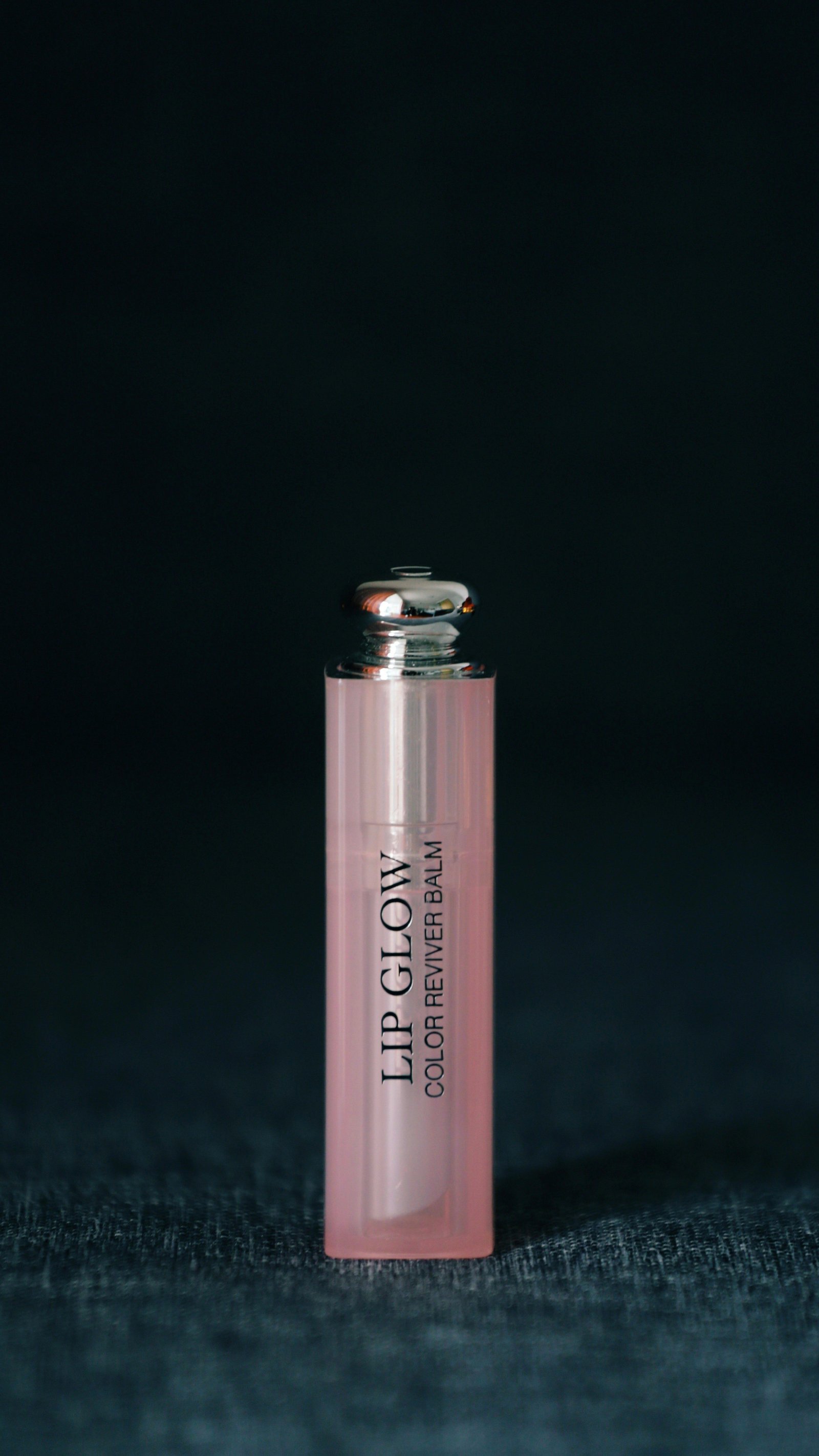
Lipsticks come in every finish you can imagine: matte, satin, cream, sheer, metallic, and everything in between. Matte formulas last the longest but can be drying. Cream and satin formulas feel more comfortable and offer moderate shine.
When to use it:
Lipstick is for when you need your lips to be the focal point. A bold red lip with bare skin is one of the most powerful looks you can wear — it’s the “I didn’t need to try hard” energy that actually requires precision. It’s for meetings, events, dates, or any moment when you want to look intentional.
It’s also your go-to when you need longevity. Matte lipsticks, in particular, can survive coffee, lunch, and a full workday with minimal touch-ups
When NOT to use it:
If your lips are severely dry or cracked, most lipsticks will emphasize every flake. Prep with lip oil or a balm first. And if you want a sheer, natural look, a full-coverage lipstick is the wrong tool.
Best for: Work, events, photos, moments when you need your lip colour to last.
Product examples: MAC Powder Kiss Hazy Matte Lipstick (great for blurred lips), Dior Rouge, Fenty Beauty Gloss Bomb Stix (a lipstick-gloss hybrid), Bobbi Brown Extra Lip Water Shine.
Lip Gloss: The Finishing Touch
Lip gloss is the product that makes your lips look fuller, juicier, and more reflective. It’s the Y2K staple that never actually left, and instead evolved.
Today’s glosses are different from the sticky formulas of the 2000s. They’re packed with skincare ingredients like hyaluronic acid, shea butter, and vitamin E, and they feel cushiony rather than goopy. The finish is glassier, the shine is more elevated, and the colours are sheerer and more wearable.
When to use it:
Lip gloss is your finisher. If you want to add dimension and shine to your lipstick, gloss goes on top. It’s also perfect for layering over a lip liner or lip stain to create a “just kissed” blurred effect.
It’s the product you keep in your bag for touch-ups. A quick swipe of gloss refreshes your entire lip look, making it look hydrated and plump even if the colour underneath has faded.
When NOT to use it:
Gloss is not known for longevity. It requires more frequent reapplication than lipstick or lip stains. If you need something that will last through a meal, gloss alone won’t do it
Also, if you’re going for a matte look, skip the gloss entirely
Best for: Adding shine over lipstick or liner, creating a fuller lip illusion, touch-ups throughout the day, glossy “clean girl” looks
Product examples: Fenty Beauty Gloss Bomb, Dior Addict Lip Maximizer, MAC Lipglass Air (for a non-sticky glass effect), REFY Lip Gloss.
The Layering Guide (Because Order Matters)
Here’s how to combine them without everything sliding off your face:
Step 1: Prep with lip oil or balm. Let it absorb for a minute, then blot off any excess.
Step 2: Line and define with lip liner. This prevents your gloss from feathering and gives you a base for colour.
Step 3: Apply lipstick or lip stain. Use a matte or satin formula if you need longevity. Blur the edges for a modern look.
Step 4: Finish with gloss (optional). Add a dab of gloss to the centre of your lips for dimension and shine.
The rule: Matte underneath, gloss on top. Oil before, not after (unless you’re refreshing a cream lipstick mid-day).
The Bottom Line
Lip oil hydrates. Lipstick delivers colour. Lip gloss adds shine.
They work as a team. The mistake most people make is using one when you actually need another.
Prep with oil. Build with lipstick. Finish with gloss. And if anyone tells you to pick just one, they’ve never experienced the joy of a properly layered lip.



Personally, I love lip gloss and lip balms. Not really familiar with the lip oils kits but I might try it one day I guess.