
From a secret location, Uganda’s opposition leader Bobi Wine has issued a defiant ultimatum to the state, vowing he will not challenge President Yoweri Museveni’s landslide election victory in court and instead urging his supporters to take to the streets in peaceful protest. The declaration marks a radical break from conventional politics, framing the judiciary as a “captured” arm of a regime he says is built on “fake” results and violent repression.
“The judiciary in Uganda is captured, and we encourage Ugandans to use any legal means to fight back and protect their democracy,” Wine told the BBC, speaking from hiding days after fleeing his home during what he described as a raid by security forces who cut his power and surveillance cameras. His decision to bypass the courts entirely—a path he also took after losing the 2021 election—is a direct challenge to the legitimacy of every state institution, arguing that the only remaining avenue for change lies with the people themselves.
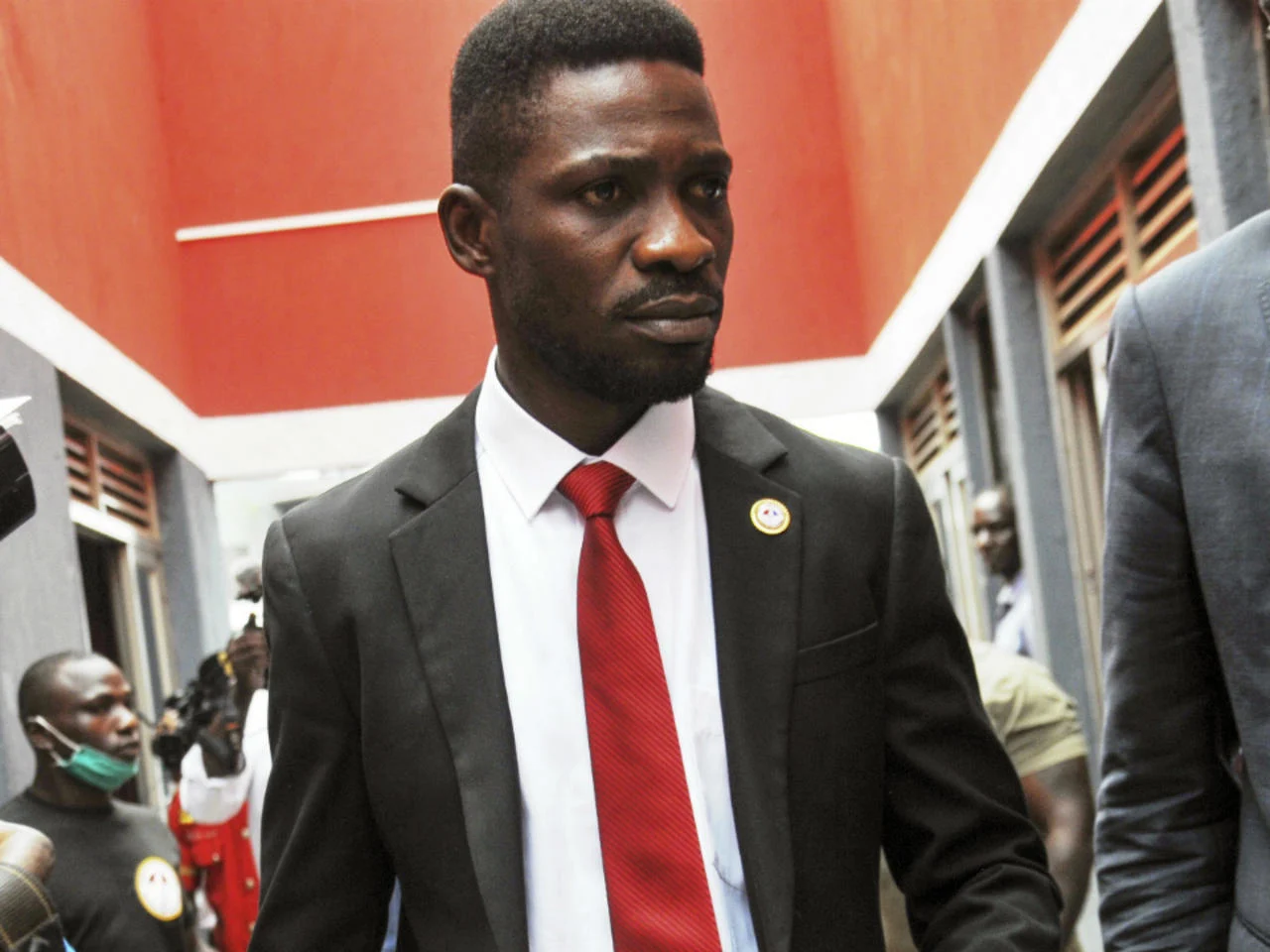
The Fugitive’s Gambit: Rejecting the Court, Embracing the Streets
Wine’s vow is not a concession but a strategic escalation. He maintains that Museveni’s claimed 72% victory is the product of “ballot stuffing” and bears no resemblance to results at polling stations. However, instead of filing a legal petition he believes would be doomed in a biased system, he is channeling frustration into a call for sustained, peaceful civil disobedience. “We encourage Ugandans to evoke any constitutional means to fight back,” he said, framing protest not as chaos but as a legitimate democratic right and duty.
This stance transforms him from a defeated candidate into a fugitive leader of a resistance movement. It also puts him on a direct collision course with the army, led by Museveni’s son and heir apparent, General Muhoozi Kainerugaba. The General has given Wine “exactly 48 hours to surrender himself to the police,” threatening to treat him as an “outlaw/rebel” if he refuses. Wine cited this threat as a key reason for his disappearance, stating, “You have heard Museveni’s son promising to harm me. That’s why I have to be careful with myself.”
A ‘Silent Massacre’ and a Regime’s Contradictions
Wine alleges an ongoing” silent massacre” of political activists in the post-election crackdown, claiming without providing evidence that more than 100 people have been killed. These claims are set against official narratives: the army chief admits to killing 22 opposition supporters, while the Uganda Human Rights Commission found only “technical” issues that didn’t undermine the vote’s fairness. African Union observers reported seeing “no evidence of ballot stuffing” but condemned the days-long internet blackout that shrouded the vote count.
The state’s response has been a study in contradiction. Police deny raiding Wine’s home, claiming the heavy security deployment was for his “protection.” A local police chief said they are not concerned about his whereabouts, “as long as he is safe,” even as the army chief issues a public surrender-or-else ultimatum. Meanwhile, Wine says his wife and family remain under effective house arrest, unable to receive food and isolated by signal jammers.
Why It Matters
By rejecting the courts and calling for protests, Bobi Wine is betting that the regime’s power is ultimately fragile and dependent on the acquiescence of a population he believes voted for change. He is attempting to shift the battlefield from courtrooms, where Museveni holds all the cards, to the streets and the moral conscience of the nation.
Museveni, in his victory speech, framed the win as proof of his party’s enduring dominance. Yet, Wine’s dramatic escape and public vow from hiding have created a powerful, competing narrative: that of a leader so threatened by the state he must operate from the shadows, declaring that true justice will not be found in a courtroom under this regime, but only through the persistent, courageous action of the Ugandan people.