

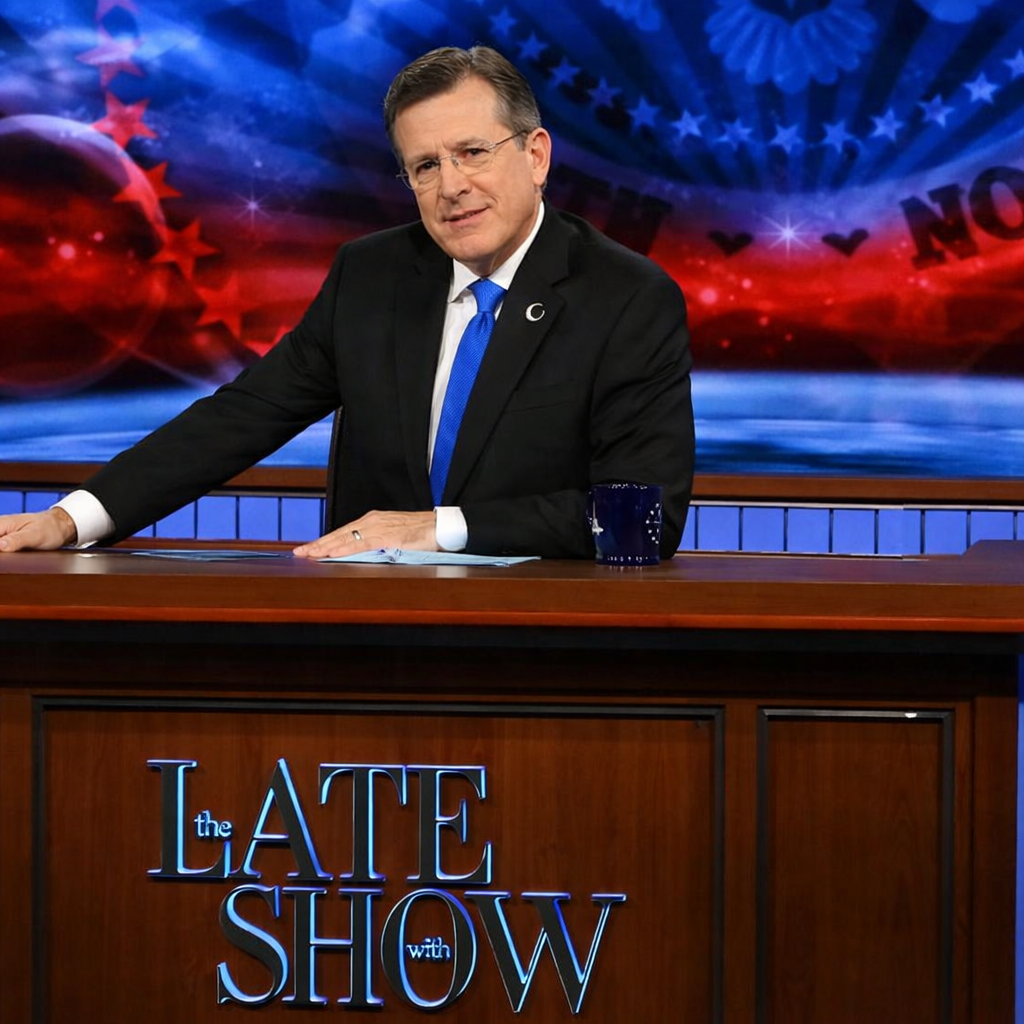
In a move that perfectly illustrates the clash between old media rules and new media realities, CBS network lawyers intervened to pull a pre-taped interview between Stephen Colbert and James Talarico, a Democratic candidate for the U.S. Senate in Texas.
But here’s what everyone else is missing: this isn’t really about Colbert, or CBS, or even the FCC. It’s about how a regulatory squabble just became the most powerful campaign weapon in one of America’s most fascinating Senate primaries—and why one candidate is winning while the other is left to clean up the mess.
The Facts of the Matter
According to a CNN report, Colbert told his audience Monday night that the interview was killed just before it was set to air. “We were told in no uncertain terms by our network’s lawyers, who called us directly, that we could not have him on the broadcast,” Colbert stated. He added that he was also instructed not to even mention the fact that the interview had been pulled. But in a direct act of defiance against his own network, Colbert immediately released the full, unedited interview on YouTube and social media, ensuring millions could see it anyway.
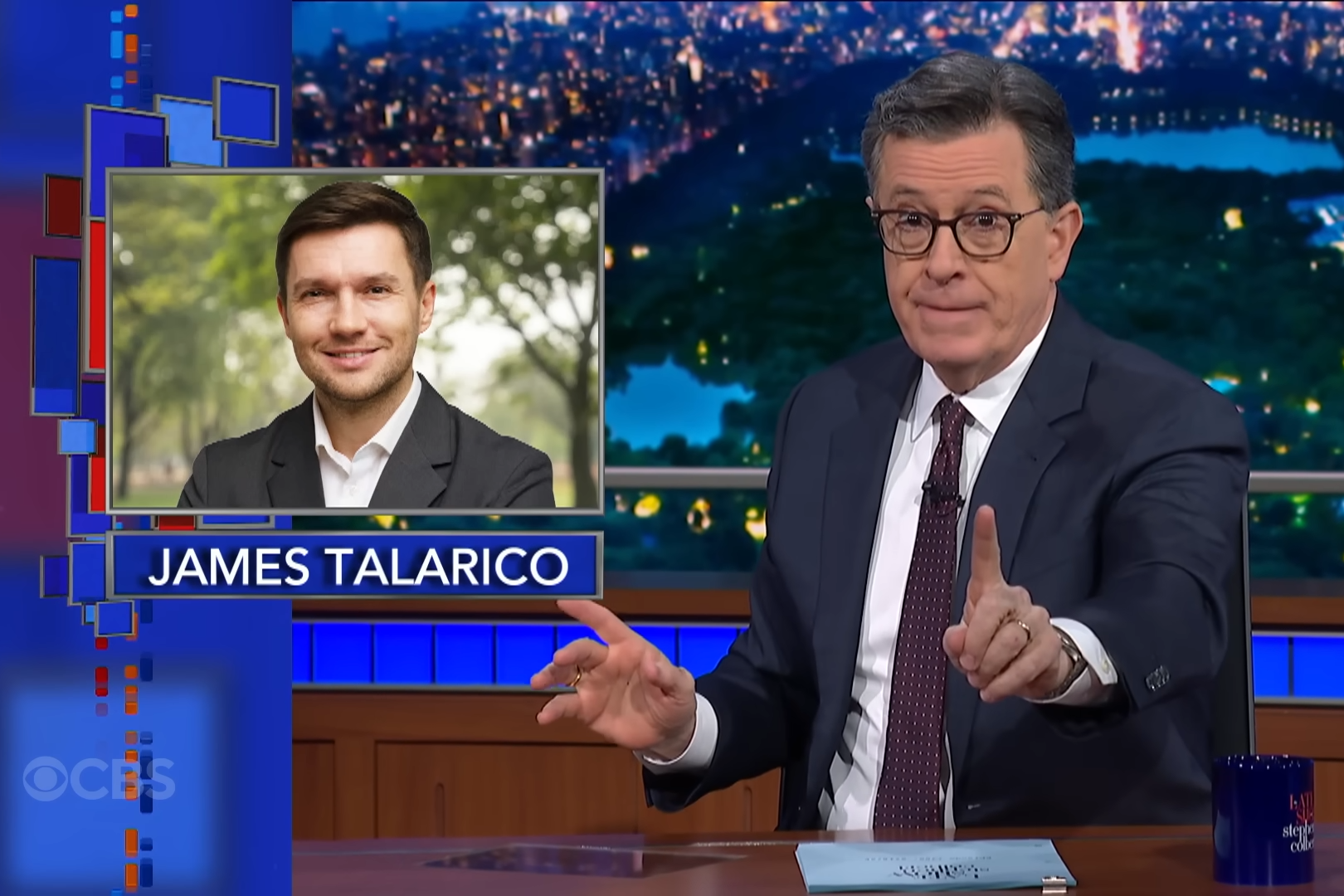
So why did CBS do it? News reports citing the network’s official statement point to the FCC’s “Equal Time Rule”—a 1934 regulation requiring broadcast stations to provide equivalent airtime to all legally qualified political candidates.
CBS’s legal argument is that airing Talarico would obligate them to offer free time to the other candidates in the Texas race. But here’s where it gets interesting: there are only two other Democrats running—including Talarico’s main opponent, U.S. Rep. Jasmine Crockett.
This wasn’t a logistical nightmare with 135 candidates like the 2003 California recall that forced CBS to spike a Craig Kilborn segment for the exact same reason. This was a manageable situation with a clear alternative: give Crockett equal time.
The Backlash and the Debate
The network’s justification sparked a fierce debate—and an even fiercer public dispute with its own host. CBS pushed back, claiming it only provided “legal guidance” and that the show “decided” to move the interview online. An incensed Colbert returned to the air the next night, holding up the CBS statement, calling it “crap,” and revealing that network lawyers had approved his initial script before the segment was mysteriously pulled. The conflict transformed the story from a legal squabble into a proxy war over corporate power, political pressure, and the First Amendment.
Anna Gomez, the only Democrat on the FCC, condemned CBS’s response, saying it had the First Amendment right to free speech. “This is yet another troubling example of corporate capitulation in the face of this administration’s broader campaign to censor and control speech,” Gomez said in a statement, adding that the FCC has “no lawful authority to pressure broadcasters for political purposes”.
My Perspective: The Talarico-Crockett Proxy War Everyone’s Ignoring
Here’s what makes this story more than just a media drama. Everyone’s fighting about Colbert and CBS, but the real story is happening in Texas—and Crockett is getting played.
The interview was pulled just hours before early voting opened Tuesday in Texas’ primary elections. By killing the segment, CBS handed Talarico a priceless gift: the martyr narrative. He now gets to campaign as the guy “the man” tried to silence. His statement was perfectly crafted: “This is the most dangerous kind of cancel culture, the kind that comes from the top. A threat to one of our First Amendment rights is a threat to all of our First Amendment rights”.
Meanwhile, Jasmine Crockett—his actual opponent—has been forced into an impossible position. She has to defend a process she didn’t create while watching her rival dominate the news cycle on the first day of early voting. CBS’s statement explicitly named her: the broadcast “could trigger the FCC equal-time rule for two other candidates, including Rep. Jasmine Crockett”. Crockett now faces a brutal choice: embrace the narrative and risk validating Talarico’s martyrdom, or stay quiet and let him control the conversation.
What Crockett can’t do is what Talarico is doing: running a statewide campaign on the back of a media controversy that has nothing to do with her. The interview itself—covering faith in politics, the Ten Commandments in classrooms, and even the FURRIES Act—is now secondary to the story of its suppression. Talarico’s name and message are reaching millions of voters at the exact moment they’re deciding whether to vote for him or his opponent.
The Amplification Paradox
By pulling the interview from its traditional broadcast, CBS inadvertently created a far larger platform for it. But the story is no longer just about what James Talarico said to Stephen Colbert. The story is the act of suppression itself—and Colbert’s subsequent decision to release the full interview online in a very public act of defiance against his own network.
This is the new reality. In attempting to block a message from a single, controlled gateway (broadcast TV), CBS launched it through a dozen unregulated, viral gateways (YouTube, news sites, social media). Compounding the irony, the rule CBS was trying to follow doesn’t even apply to the platform where the interview ultimately found its massive audience. The network followed the letter of an old rule, only to find that in the digital age, the punishment for following it is losing control of the story entirely.
Key Takeaway
James Talarico, a candidate competing in a spirited Democratic primary against a well-funded opponent, is now at the center of a national conversation about media, law, and power. As the first day of early voting kicked off in Texas, his name and message dominated the news cycle in a way a single booked TV spot never could have. Jasmine Crockett is left to run a traditional campaign while her opponent rides a wave of free media generated by a network’s regulatory caution.
Whether you see CBS’s actions as cautious compliance, corporate capitulation, or clumsy censorship, the outcome is the same: a 1934 rule designed to ensure fairness just handed one candidate a massive advantage over his opponent—and there’s nothing the other candidate can do about it.