
The ceasefire in Gaza is beginning to look fragile again. Fresh deaths reported on Sunday have raised doubts about whether the truce is holding in any real sense, even as diplomats meet and speak of progress. On the ground, people are still being killed, and fear has not left the streets.
Medical workers in Gaza say three Palestinians were killed in separate incidents involving Israeli fire. Four others were wounded when an Israeli drone strike hit near a building in Gaza City. These incidents come months after a ceasefire agreement was announced, an agreement many hoped would slow the bloodshed and allow space for relief and rebuilding.
Deaths Reported Despite Ceasefire
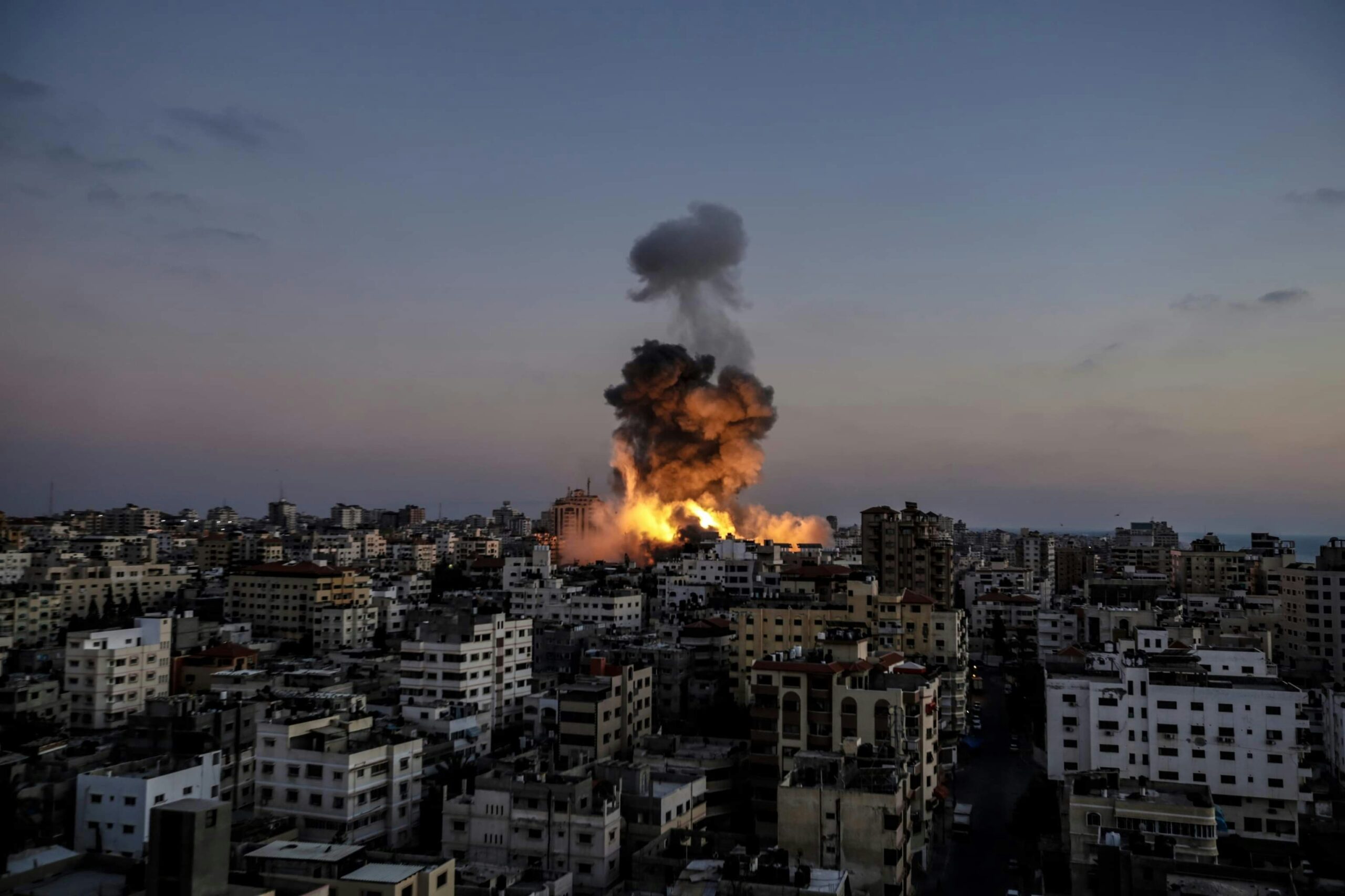
According to Gaza’s health authorities, two people were killed east of the Tuffah neighbourhood in northern Gaza. Another man, aged 41, was killed in Khan Younis in the south. Earlier in the day, an Israeli drone reportedly exploded on the roof of a multi-storey building in Gaza City, injuring four civilians standing nearby.
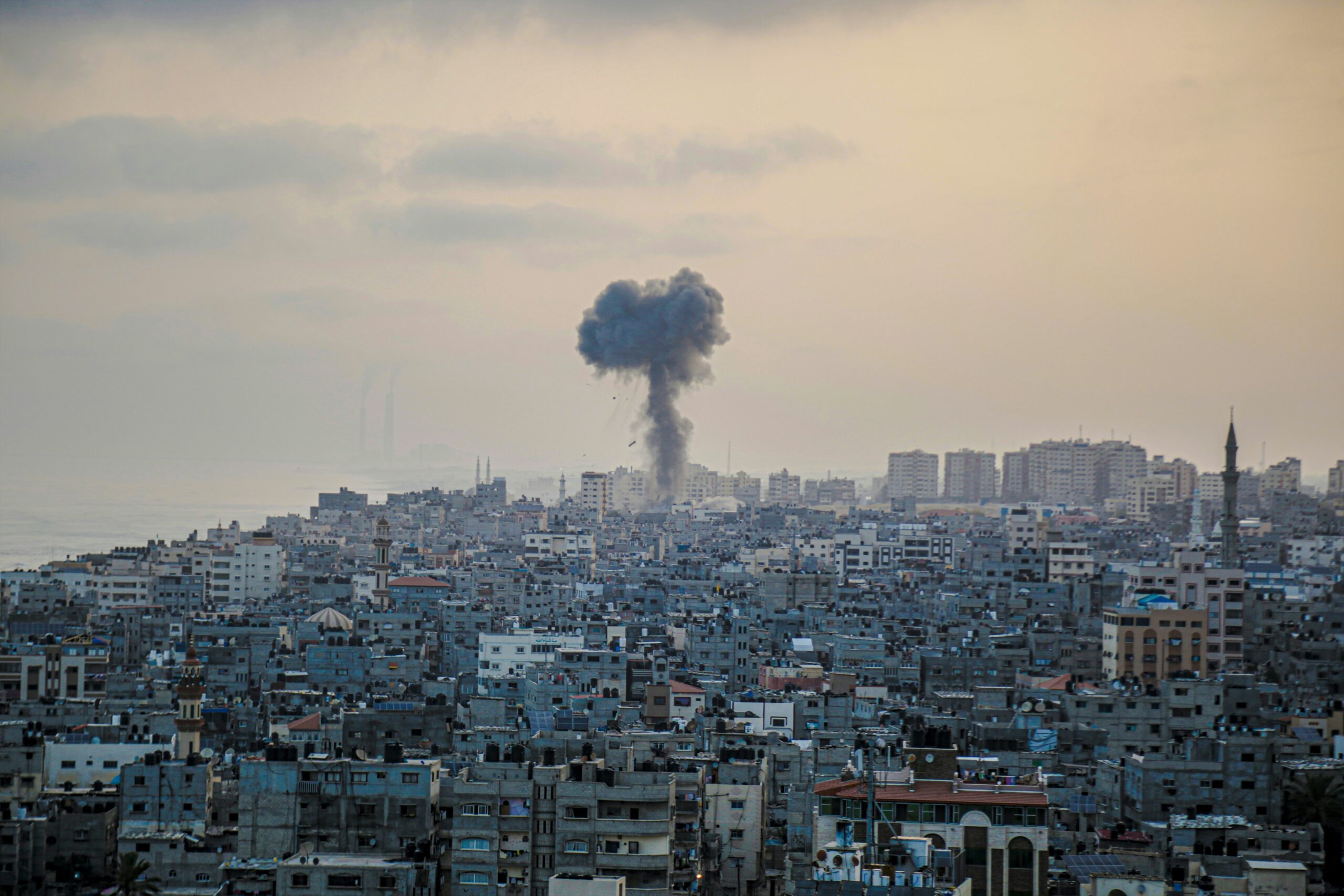
The Israeli military said it was not aware of one of the reported incidents and had no immediate comment on the others. This gap between official responses and what medics report has become common, leaving families confused and angry.
For many in Gaza, the ceasefire feels more like a pause that never truly arrived. Daily life is still shaped by fear, uncertainty, and the sound of drones overhead.
Talks Continue Far from the Reality on the Ground
While these incidents were unfolding, U.S. envoys Steve Witkoff and Jared Kushner were meeting Israeli Prime Minister Benjamin Netanyahu. According to Witkoff, the talks were “constructive and positive,” with agreement on next steps regarding Gaza.
But the contrast is hard to ignore. While officials speak of alignment and cooperation, civilians continue to die. This disconnect feeds public anger in Gaza, where many believe diplomatic language does little to change their reality.
The war began after the October 7, 2023, attack by Hamas on southern Israel, in which 1,200 people were killed, according to Israeli figures. Since then, Gaza’s health ministry says more than 71,000 people, mostly civilians, have been killed by Israeli fire. Even after the ceasefire took effect last October, at least 480 deaths have been reported.
Blame Traded, Trust Eroding
Both Israel and Hamas accuse each other of violating the ceasefire. Israel says four of its soldiers have been killed by militants since the truce began. Palestinian officials point to continued Israeli strikes and drone activity as proof that the ceasefire exists more on paper than in practice.
Earlier this month, Washington said the process had entered a second phase. This phase is meant to include further Israeli troop withdrawals and a handover of Gaza’s administration by Hamas. On paper, this sounds like progress. On the ground, many see little change.
Every new death chips away at what little trust remains. Each incident makes it harder for ordinary people to believe that calm is coming.
Funerals and Frustration in Gaza
In Khan Younis, more than 100 people gathered for the funeral of a man killed by Israeli drone fire a day earlier. His body, wrapped in a white cloth, was laid out at Nasser Hospital before prayers were held.
“There is no ceasefire,” said a relative during the funeral. His words reflect a feeling shared by many. For families burying their dead, political statements and future plans offer little comfort.
A Ceasefire in Name Only?
What is happening now suggests a ceasefire under fire in the truest sense. While large-scale fighting may have slowed, violence has not stopped. The continued deaths point to a truce that lacks strong enforcement and clear accountability.
For Gaza’s civilians, the ceasefire has not delivered safety. For diplomats, it remains a framework to be managed and defended. This gap between expectation and reality is dangerous. Without real pressure to protect civilians, the ceasefire risks becoming just another word used while the suffering continues.
Until deaths truly stop and daily life begins to feel normal again, many in Gaza will see the ceasefire not as peace, but as a fragile promise already breaking.