• Home
  • News
  • Government
  • Business & Finance
  • Entertainment
  • Sports
  • Tech
  • Health
  • About Federal Character
  • Advertise With Us
Federal Character
No Result
View All Result
Federal Character
  • Home
  • News
  • Government
  • Business & Finance
  • Entertainment
  • Sports
  • Tech
  • Health
  • About Federal Character
  • Advertise With Us
No Result
View All Result
Federal Character
No Result
View All Result
Home Health
Chemical Pregnancy: Causes and Diagnosis

Chemical Pregnancy: Causes and Diagnosis

Christabel EgbeamabyChristabel Egbeama
2 years ago
in Health
Reading Time: 3 mins read
A A
0
Facebook ShareWhatsapp ShareX Share

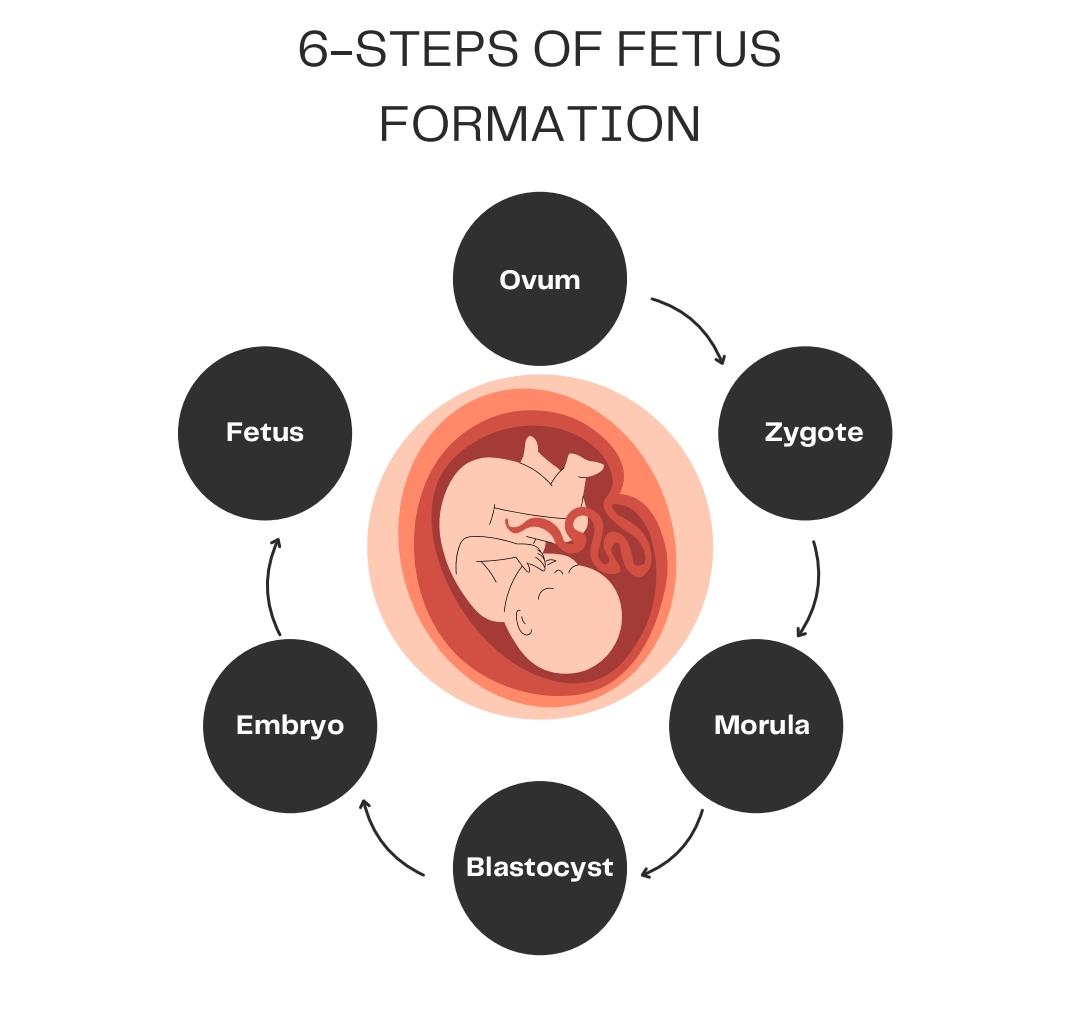
A lot of things finish before they even get started. Chemical pregnancy is one of several things that follow the same pattern. Similar to a typical pregnancy, the fertilized egg travels down the fallopian tube to the uterus, where it begins its development from blastocyst to fetus. However, once the embryo is placed in the uterine lining, it stops developing. This unfortunate process is known as a “chemical pregnancy.”

However, the actual cause of this type of miscarriage is unknown, but a number of circumstances contribute to its occurrence. In this article, we will look at the causes and diagnosis of chemical pregnancy.

Table of Contents

Toggle
  • Causes of Chemical Pregnancy
  • Diagnosis of Chemical Pregnancy
  • Takeaway

Causes of Chemical Pregnancy

Photo by Christabel Egbeama

Genetics abnormalities: An error may occur during the early stages of the embryo’s development as the zygote proceeds through cell division stages like the morula and blastocyst. A portion of the chromosomes may be lost or duplicated during the phases of cell division, or the chromosomes may be improperly separated during cell division.

Hormonal imbalance: A hormone called progesterone is produced in the corpus luteum, a part of the ovaries that develops momentarily during ovulation. This hormone is important in getting the uterine lining ready for the implantation of blastocysts, which create the embryo.

On the other hand, insufficient progesterone levels caused by a hormonal imbalance may result in poor uterine lining development or possibly make it more difficult to keep the pregnancy going.

Uterine abnormalities: Fibroids, polyps, and septums are examples of uterine abnormalities that can interfere with implantation. For example, fibroids can change the shape of the uterine cavity, making it difficult for the embryo to implant securely.

Implantation issues: For the fertilized egg to stick well, the uterine lining must be prepared and receptive. Sometimes the fertilized egg or the uterine lining have issues that prevent them from properly connecting. Another factor to consider is timing; there is a certain point during a woman’s menstrual cycle when the uterus is ideal for a fertilized egg to attach to it. If things do not go as planned (for example, because the egg was transferred too early or too late), the fertilized egg may struggle to connect properly.

Maternal age: The quality of a woman’s eggs declines dramatically with age, increasing the rate of defective chromosomes in the developing embryo.

Chromosome abnormalities can hinder the development of embryos, leading to the loss of pregnancy at an early age.

Diagnosis of Chemical Pregnancy

Chemical pregnancy is typically diagnosed with the Human Chorionic Gonadotropin, or hCG test. hCG is a hormone generated during pregnancy. It is released by placental cells shortly after the fertilized egg is implanted in the uterus.

In chemical pregnancy, hCG testing determines the amount of hCG hormone present in the blood or urine. Normal pregnancy hCG levels are usually high.

However, with chemical pregnancy, hCG levels rise but then fall rapidly. In addition, blood tests are more effective than urine tests. This is because it allows the clinician to track changes in hCG levels over time.

Takeaway

Similar to a typical pregnancy, the fertilized egg travels down the fallopian tube to the uterus, where it begins its development from blastocyst to fetus. However, once the embryo is placed in the uterine lining, it stops developing. This unfortunate process is known as a “chemical pregnancy.”

Although the exact cause of chemical pregnancy is unknown, various reasons can contribute to its occurrence, including genetics or uterine anomalies, hormone imbalance, poor blastocyst attachment to the uterine lining, and the mother’s age.


Tags: CausesChemical pregnancyChemical Pregnancy: Causes and DiagnosisDiagnosisfederal characterhealth
Share234SendTweet146
Christabel Egbeama

Christabel Egbeama

Christabel Egbeama is a health writer and aspiring consultant engineer who recently completed her bachelor's degree in civil engineering. Her passion for safety in the construction industry led her to delve into public health writing. Having undergone training in health, safety, and environment, Christabel has established a foundation rich in comprehending the broader spectrum of health and its benefits for individuals across various ages and professions. She now produces compelling holistic health articles aimed at guiding individuals towards informed decisions for a healthier tomorrow, encouraging lifestyle modifications.

Related Stories

US Private Equity Firm Takes Control of NHS Patient Records in £300M Deal

US Private Equity Firm Takes Control of NHS Patient Records in £300M Deal

bySomto Nwanolue
0

A US private equity firm has taken control of NHS patient records in a deal that experts say should "ring alarm bells" amid concerns that sensitive health data...

Alzheimer’s Breakthrough: Scientists Restore 2 Hours of Sleep Without Clearing Plaques

Alzheimer’s Breakthrough: Scientists Restore 2 Hours of Sleep Without Clearing Plaques

bySomto Nwanolue
0

University of Kentucky researchers have made a breakthrough in Alzheimer's research, restoring more than two hours of sleep per day in mice without removing the amyloid plaques long...

​FDA Investigating New Cyclospora Outbreak Linked to Produce

​FDA Investigating New Cyclospora Outbreak Linked to Produce

byEriki Joan Ugunushe
0

​The agency confirmed that the FDA is investigating a new cyclospora outbreak and is actively trying to track down a fresh source of contamination within the national food...

​Trump Generic Drug Tariffs to Drive Up US Medicine Prices

​Trump Generic Drug Tariffs to Drive Up US Medicine Prices

byEriki Joan Ugunushe
0

​Concerns over rising healthcare costs are growing after industry leaders warned that Trump generic drug tariffs will directly lead to higher US medicine prices. Following a proposal to...

Next Post
NAFDAC Raids Trade Fair in Lagos for Counterfeit Cosmetics

NAFDAC Raids Trade Fair in Lagos for Counterfeit Cosmetics

Leave a Reply Cancel reply

Your email address will not be published. Required fields are marked *

Federal Character

We bring to you precise and factual news.
Towson, Baltimore, Maryland, USA

Recent Posts

  • ​Ex-NASA Astronauts Launch Nonpartisan Voting Campaign
  • ​Trump Administration Speeds Up Mass Deportation Cases
  • ​Venezuelan Informant Claims US Broke Promises After Exposing $1.2B Oil Fraud

Categories

  • Beauty
  • Business & Finance
  • Entertainment
  • Fashion & Lifestyle
  • Food & Nutrition
  • Government
  • Health
  • News
  • Politics
  • Sports
  • Tech

Weekly Newsletter

  • Home
  • About Federal Character
  • Advertise With Us
  • Cookie Policy
  • Sitemap

Copyright © FederalCharacter.com 2026 .

Welcome Back!

Login to your account below

Forgotten Password?

Retrieve your password

Please enter your username or email address to reset your password.

Log In
No Result
View All Result
  • Home
  • News
  • Government
  • Business & Finance
  • Entertainment
  • Sports
  • Tech
  • Health
  • About Federal Character
  • Advertise With Us

Copyright © FederalCharacter.com 2026 .