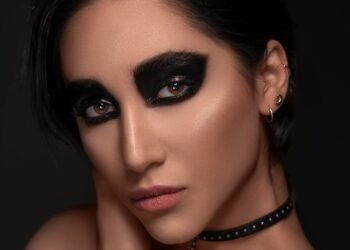


Chioma Ikokwu has never been a quiet brand builder. From co-founding Good Hair Ltd. in a London dorm room in 2009 to expanding into Lagos, hospitality, and reality TV, her trajectory has been defined by a relentless push toward the upper echelons of luxury. The new wig campaign, featuring a star-studded lineup of Toke Makinwa, Osas Ighodaro, Shaffy Bello, Priscilla Ojo, Sunshine Rosman, and Blessing Obasi, is the latest chapter in that story
This is not a global launch. Good Hair has been an international brand for over a decade. It is a product campaign—a cinematic, celebrity-driven push for a new collection, and the reaction online is a case study in what happens when a luxury brand tests the limits of its audience’s loyalty.

The Target Audience: Who Is This Actually For?
The campaign is not aimed at the mass market. It is aimed at two distinct groups.
- The Diaspora Aspirant. This is the Nigerian woman living in London, Houston, or Toronto who knows the Good Hair name. She has followed Chioma on Instagram, watched her on Real Housewives of Lagos, and associates the brand with the kind of Lagos luxury she aspires to. She is the primary target. She has the purchasing power, and she already has the desire.
- The Lagos Elite. This is the woman who has been shopping with Good Hair for years, who visits The Good Hair Space in Lekki, and who sees the wigs as an extension of her existing wardrobe. She is already converted
The campaign speaks to both. The celebrities chosen—Toke, Osas, Shaffy—are aspirational figures whose personal brands are built on elegance and success. Their presence in the campaign is a signal to the audience: this is what luxury looks like.
The Campaign’s Strengths: A Visual Masterpiece
From a marketing perspective, the campaign is effective. The visuals are cinematic. The styling is impeccable. The celebrity cast is strategically chosen to appeal to different segments of the target audience—Toke for the media-savvy glamour, Osas for the award-winning prestige, Shaffy for the seasoned elegance.
The campaign does what good luxury marketing should do: it sells a feeling, not just a product. It makes the viewer want to be part of the world it depicts.
The Marketing Challenge: When Aspiration Becomes Alienation
This is where the strategy gets complicated.
On social media, the dominant conversation was not about the quality of the lace, the texture of the hair, or the craftsmanship of the wigs. It was about the prices. And while the specific numbers are not the focus of this analysis, the public’s reaction to the cost was a key part of the story.
One viral post captured the mood: “What was I thinking signing up for Chioma Good Hair waitlist???? Must be that black bullet that I took because the least price is 900k+ o”
This right here is a moment of self-deprecating humor that reveals a fundamental tension. The audience loves the brand and wants the product but they cannot afford it.
For luxury brands, this tension is usually the point. Exclusivity is the product. But when the gap between aspiration and access becomes too wide, the brand risks alienating the very community that built its initial success. The waitlist becomes a symbol of exclusion rather than aspiration.
The Trust Factor: A Digital Reputation Under Scrutiny
The campaign’s impact cannot be separated from the brand’s existing digital reputation.
Good Hair has thousands of satisfied customers. The brand’s longevity—over fifteen years—speaks to its ability to deliver a product that people love. Its celebrity client list, which reportedly includes international stars, is a testament to its credibility.
However, there is limited independent, third-party review data specifically for Good Hair Ltd’s wig products available online. This is not unusual for luxury brands, which often rely on social proof, word of mouth, and the visibility of their clientele rather than public review platforms. But it does mean that a new customer, especially one in the diaspora, must rely on the brand’s own marketing and the testimony of people they trust.
The campaign has created desire. The brand’s digital footprint must now create trust.
The Purchase Decision: Will the Campaign Encourage or Discourage?
The answer is both, depending on the customer segment.

For the Brand Loyalist and the Diaspora Aspirant: The campaign will encourage purchases. They already trust the brand. They have been waiting for a reason to buy. The cinematic visuals and celebrity endorsements have reminded them why they love it. They will add their names to the waitlist, and they will buy.
For the Skeptical First-Timer: The campaign may discourage purchases. If they encounter mixed reviews, if they cannot find clear information about returns and international shipping, or if the website feels like a generic template rather than the world the campaign depicted, they will hesitate. The high price point amplifies this hesitation.
The Verdict: A Test of Brand Maturity
The new campaign is a statement of ambition. It shows that Chioma Goodhair is not content to rest on the brand’s existing reputation. It is a push for growth, for new customers, and for a more prominent place in the global luxury conversation.
But it is also a test. The campaign has generated attention. The question is whether the brand can convert that attention into trust, and trust into sales. That requires more than a beautiful campaign. It requires a seamless customer experience, transparent communication, and a consistent product quality that justifies the price.