
Italy is entering the final stretch before hosting the Winter Olympics, but the pressure is no longer only about snow, stadiums, or security on the streets. A new front has opened quietly and dangerously online, Cyber war has now reached Olympic proportions, and Italy is pointing directly at Russia.
What Was Targeted and Why It Matters
Italian officials confirmed that several cyberattacks were blocked before they could cause damage. The targets were not random websites. They included Italy’s foreign ministry systems, an embassy in Washington, and websites linked to the Winter Olympics. Hotels in Cortina d’Ampezzo, one of the key Olympic locations, were also affected.

These are sensitive targets. Embassies hold diplomatic communication. Olympic sites represent national pride and global attention. Hotels house athletes, officials, and visitors. An attack on these spaces sends a clear message.
Italy’s foreign minister, Antonio Tajani, said plainly that the attacks were of Russian origin. There was no soft language, no hesitation.
Olympics as a Political Stage
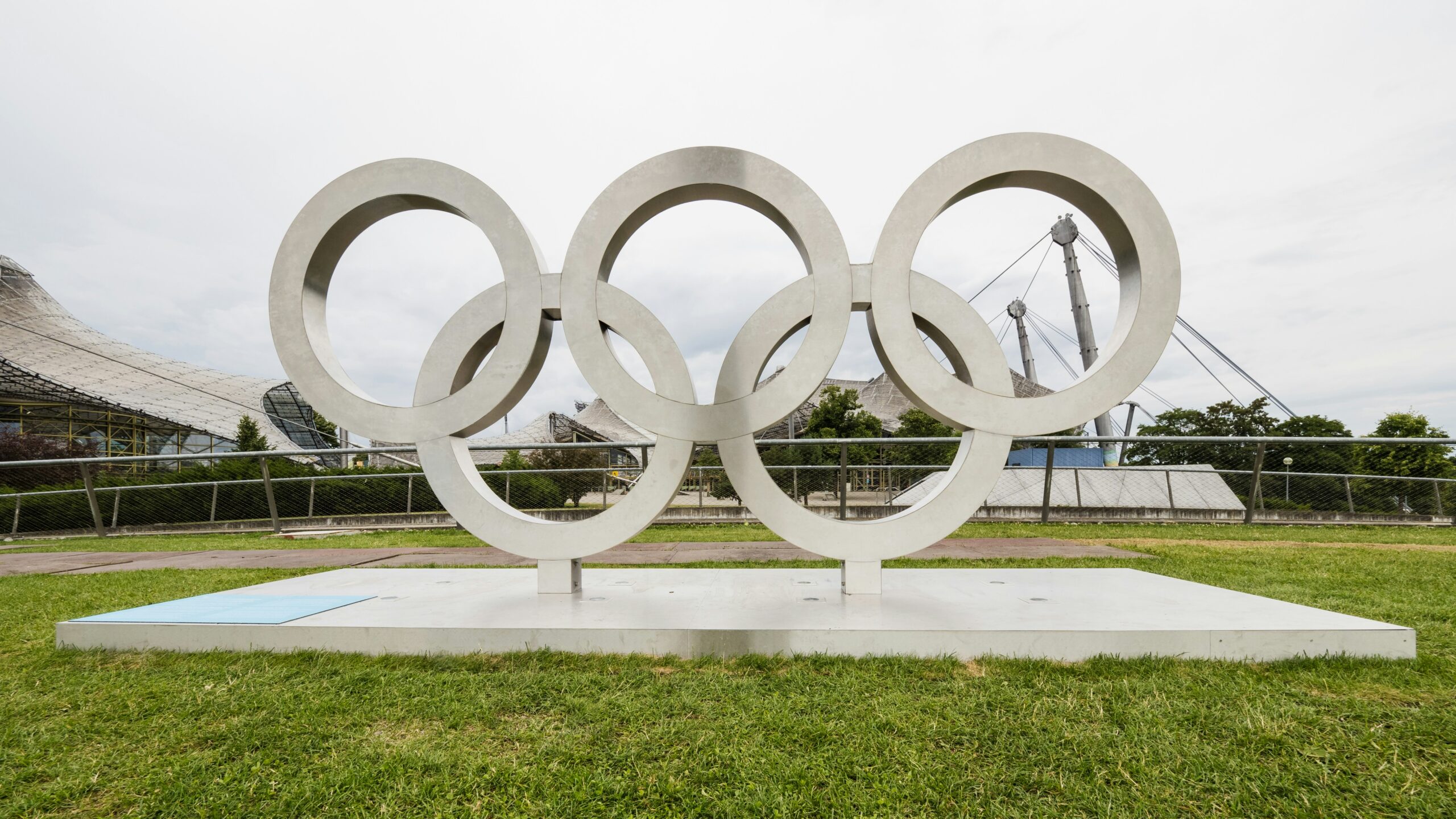
The Olympics have always been more than sports. They are about image, power, and global presence. Hosting the Games is a statement that a country is stable, capable, and respected.
That is why cyberattacks linked to Olympic sites feel deliberate. Even if nothing was destroyed, the intent alone creates fear and doubt. It tells the host country: you are being watched, and you are not untouchable.
Why Italy Is Speaking Out Now
Italy did not downplay the incident. It went public quickly. That matters.
By naming Russia, Italy is aligning itself clearly with the wider Western position on cyber aggression. This is also a warning that such actions will not be ignored or handled quietly behind closed doors.
The timing is also important. With the Winter Olympics approaching, Italy wants to show control. Saying “we prevented it” is as important as saying “we know who did it.”
A New Kind of Threat
What makes this situation worrying is how clean it looks on the surface. There were no explosions. No power outages reported. No visible chaos.
But cyberattacks do not need noise. They aim to disrupt trust. Once people start asking whether systems are safe, the damage has already started.
If embassy systems can be targeted, people will ask what else can be reached. Transport systems. Ticket platforms. Security networks. Even if those were not touched, the fear spreads.
Silence From the Other Side
So far, there has been no response from Russia within the information provided. That silence itself is familiar in cyber disputes. Denial, delay, or complete non-response often follows.
What remains is Italy’s accusation and the broader context of rising tensions between Russia and Western states.
More Than a Technical Incident
This is not about hackers’ testing skills. It is about pressure. It is about showing presence without crossing into open war.
Italy blocked the attacks, but the message still landed. As the world prepares to watch the Winter Olympics, the host country is already fighting a different kind of battle behind the scenes.